Aortic Stenosis Treatment in India
- Top Accredited Hospitals
- Global Medical Standards
- Cutting-Edge Technology
- Proven Treatment Options
- High Success Rate
- Trusted by Millions

What is Aortic Stenosis?
Aortic valve stenosis, also called valvular heart disease, is a type of heart valve disease. The aortic valve sits between the aorta, the body's principal artery, and the heart's lower left chamber. Aortic valve stenosis causes the valve to narrow and not open completely. As a result, blood flow from the heart to the aorta and the rest of the body is decreased or stopped.
What is the Importance of Timely Treatment?
Timely treatment for aortic stenosis is crucial because it helps prevent serious complications like heart failure, stroke, or even sudden cardiac arrest. The risk of life-threatening consequences can be significantly decreased, symptoms can be improved, and quality of life can be improved with early intervention through treatments such as valve replacement or repair.
What are the Common Symptoms of Aortic Stenosis?
Aortic valve stenosis symptoms can include:
- Tightness or soreness in the chest when moving.
- Experiencing lightheadedness, fainting, or fainting with activity.
- Breathlessness, particularly when straining oneself.
- Fatigue, particularly when engaging in more strenuous activities.
- Fluttering, fast heartbeat.
Other symptoms of aortic valve stenosis in children include:
- Not eating enough.
- Not putting on enough weight.
Heart failure may result from aortic valve stenosis. Swollen ankles and feet, shortness of breath, and excessive fatigue are all signs of heart failure.
Causes, Risk Factors and Complications of Aortic Stenosis
Causes
There are three primary causes of aortic stenosis in adults:
- Age-related wear and tear: Calcium can accumulate on your valve over time, reducing blood flow.
- Infection-related damage: Untreated infection-related bacteria accumulate on heart valves, impairing the immune system. This is most frequently the situation in strep throat or scarlet fever.
- Other inherited or chronic conditions: Paget's disease of the bone, renal failure, and familial hypercholesterolemia are further uncommon conditions that can result in aortic valve stenosis. Additionally, autoimmune or inflammatory conditions like lupus and rheumatoid arthritis are associated with aortic stenosis.
Risk Factors
- Among the risk factors for aortic valve stenosis include older age.
- Congenital heart defects are heart disorders that appear from birth.
- Risk factors for heart disease include high blood pressure, high cholesterol, and diabetes.
- Infections such as infective endocarditis and rheumatic fever can impact the heart.
- Chest radiation treatment.
- Long-term kidney disease.
Complications
Possible complications of aortic valve stenosis are:
- Heart failure
- Arrhythmias (irregular heartbeats)
- Infections like endocarditis that impact the heart
- Stroke
- Blood clots
- Bleeding
Connect with our advisor for a PRIORITY response
Latest Research and Technologies in the Treatment of Aortic Stenosis in India
- According to the National Institutes of Health (NIH), transcatheter aortic valve replacement (TAVR) has emerged as the primary treatment for patients suffering from severe aortic stenosis.
Aortic Stenosis Prevention Tips
Aortic valve stenosis may be avoided in the following ways:
- Eating a nutritious diet
- Maintaining a consistent workout routine
- Avoid smoking and using illegal medications.
- Visiting your physician as needed or for your yearly checkup
- Maintaining control of diseases like high blood pressure, diabetes, high cholesterol, and kidney issues
- To avoid endocarditis, see your dentist every six months and practice good oral hygiene.
- To prevent developing rheumatic fever, consult your physician if you think you may have strep throat.
Treatment options for Aortic Stenosis
Aortic Valve Replacement: Treatment for aortic valve stenosis frequently involves replacing the aortic valve. The surgeon removes the damaged aortic valve and installs a mechanical valve. A biological tissue valve is a type of tissue valve.
Aortic valve repair: Aortic valve repair is a surgical procedure that repairs a broken aortic valve to allow it to function normally again. To repair the aortic valve, surgeons may separate stuck-together valve flaps.
Cost Start From USD 5000 - USD 7000Explore Options
- Clinical Assessment
- Physical Exam: Besides listening to your heart, your doctor might check for swelling in your ankles and lower legs. Using a stethoscope, healthcare professionals can frequently detect a heart murmur, a crucial indicator of aortic stenosis.
- Imaging Tests
- Chest X-ray: An X-ray of the chest reveals the state of the lungs and heart. It may indicate a larger-than-normal heart, which can happen in aortic valve stenosis. Additionally, it can detect calcium accumulation in the aortic valve.
- Echocardiogram: This test creates an image of your heart's inside using ultrasonic waves.
- Heart MRI (magnetic resonance imaging): A cardiac MRI produces defined pictures of the heart using radio waves and magnetic fields.
- Other Diagnostic
- Electrocardiogram (ECG or EKG): This assesses the electrical activity of your heart.
- Exercise Stress Testing: This exam evaluates how well your heart works when moving.
- Cardiac Catheterization (Angiography): To see inside your heart, a healthcare professional inserts a catheter via your arteries.
Following treatment or surgery, rehabilitation treatments for aortic stenosis mainly concentrate on strengthening general cardiovascular health, controlling symptoms, and improving heart function. Here are a few possibilities for rehabilitation:
- Physical therapy: Exercises to increase strength, endurance, and mobility can be provided by physical therapists, mainly if cardiac surgery has resulted in physical weakness or restricted mobility.
- Lifestyle Changes:
- Avoid tobacco usage and smoking
- Consume heart-healthy food.
- Maintain a healthy weight.
- Get frequent exercise.
- Reduce stress and regulate blood pressure, cholesterol, and blood sugar.
- Schedule routine medical examinations
- Avoid alcohol consumptions
- Get enough rest.
To manage symptoms or lower the chance of consequences, some aortic valve stenosis patients may require medication. Medicines, for instance, can reduce your blood pressure or stop irregular heartbeats.
Instantly Connect with our Specialists


Hospitals for Aortic Stenosis in India

Medanta - The Medicity
Gurgaon, India
Medanta – The Medicity, Gurugram, founded by renowned cardiac surgeon Dr. Naresh Trehan, is a leading multi-super speciality hospital offering advanced yet affordable healthcare. Spread across a 43-acre campus, it houses 1,391 beds, 270 ICU beds, 40 operation theatres, and 900+ doctors across 30+ specialities. Accredited by JCI, NABH, and NABL, Medanta is designed per American Institute of Architects’ healthcare guidelines. Recognised as the Best Private Hospital in India (2020–2025) and among the World’s Top 250 Hospitals (Newsweek 2024), it excels in Cardiac Care, Cancer, Neurosciences, Gastro, Orthopaedics, and Renal Care, ensuring world-class, collaborative, and compassionate treatment.
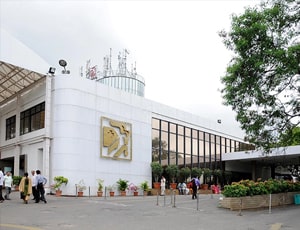
Apollo Hospitals
Hyderabad, India
Apollo Hospitals located in Hyderabad, India is accredited by JCI, NABH. Also listed below are some of the most prominent infrastructural details:
- A premier multi-specialty hospital with 477-bed capacity
- More than 50 specialties, super-specialties
- 12 Centers of Excellence
- The Institutes for Heart Diseases, Neurosciences, Cancer, Emergency, Orthopaedics, Renal Diseases, and Transplants
- Centers of Excellence are known for patient care, training and research
- Doctors with years of truly global experience in healthcare delivery

Star Hospitals
Hyderabad, India
Star Hospitals located in Hyderabad, India is accredited by NABH, NABL. Also listed below are some of the most prominent infrastructural details:
- The bed capacity of Star Hospitals, Hyderabad, India is 130.
- The hospital has Intensive Care Units which are upgraded with the latest technologies.
- International patient care services are applied to make the process of medical travel easier for international patients.
- Centres of Excellence across disciplines such as Cardiac Sciences, Renal Sciences, Critical Care, ENT, Spine Surgery etc.
- A radiology centre which has been digitised.
- There are Centers of Excellence for prominent specialties such as cardiac care and neurosciences, there are a total of six.
Our Services to better your experience
Opinion & Option
We submit the most accurate opinion and options from one or more countries for your review
Consult Privately
Consult with a certified specialist privately on our telemedicine platform even before you decide to travel
Logistics
We handle flights, visas, transfers, and accommodation—so you can focus on your health.
Recovery
Our In-house rehabilitation service packages to better your recovery and treatment outcome
Why Choose India for Aortic Stenosis Treatment?
Here are some of the reasons for choosing India:
- Due to advancements in medical facilities, such as minimally invasive surgical techniques.
- World-class experts include highly experienced doctors, JCI, and NABH-accredited healthcare institutions.
- Compared to other countries, treatment in Indian hospitals is cost-effective.
- Indian hospitals provide International patient services, including a multilingual support system.
- Improved treatment methods and biological therapies.
Frequently Asked Questions
The provider's technique will determine how well aortic valve stenosis repair or replacement goes. The most extended procedures are surgical ones. After surgery, patients usually stay in the hospital for a few days, generally taking several weeks to recover fully.
Aortic stenosis can cause serious problems, including heart failure, if treatment is not received. This condition causes the heart muscle to weaken and expand, which can lead to life-threatening symptoms and even death since the heart cannot pump enough blood throughout the body.
After valve replacement, many people lead busy, healthy lives, but it's essential to see a cardiologist regularly.
In India, aortic stenosis treatment generally has a relatively high success rate, particularly for surgeries like aortic valve replacement (AVR). Approximately 95% of surgical procedures at top Indian hospitals are successful, and many patients report significant enhancements in their cardiac function and quality of life.
- Indeed, a few of the best hospitals in India have state-of-the-art equipment for treating aortic stenosis. Top institutions use innovative diagnostic techniques like MRIs, CT scans, and echocardiograms to diagnose the illness properly.
- Additionally, they provide state-of-the-art treatment alternatives, such as standard aortic valve replacement (AVR) operations and minimally invasive methods.
- To guarantee the best results for patients, these facilities employ highly qualified cardiologists and cardiac surgeons who use the newest technologies.
There are four levels of aortic stenosis: mild, moderate, severe, and critical. Your general health, your symptoms, the stage at which you are diagnosed, and whether or not you receive treatment will all affect how quickly you progress.
Although the exact pace of advancement of aortic stenosis is unknown, some risk factors might be linked to a faster rate of progression.
After a few days in the hospital, patients usually undergo rehabilitation to help them regain their strength and mobility.
Aortic valve stenosis can develop gradually and take years for certain people. Others may experience it considerably more quickly.

Reviewer

Dr. Nityanand Tripathi
Interventional Cardiologist
29 Years of Experience
With a rich experience of more than 29 years, Dr. Nityanand has gained a vast spectrum of skills and expertise in performing all types of complex cardiac procedures. He is an expert in clinical & interventional cardiology and electrophysiology. He studied his medicine (MBBS) and MD from the Institute of Medical Sciences of Banaras Hindu University, Varanasi, and later completed his DM in Cardiology from the prestigious King George Medical University, Lucknow. View More
Last Reviewed - January 2026