Aortic Dissection (Type A) Treatment in Thailand
- Top Accredited Hospitals
- Global Medical Standards
- Cutting-Edge Technology
- Proven Treatment Options
- High Success Rate
- Trusted by Millions

What is an Aortic Dissection (Type A)?
An Aortic Dissection (Type A) occurs when a tear in the inner aortic lining lets blood into the wall, creating a false lumen. Type A involves the ascending aorta and may extend to the aortic root, arch, coronary arteries, or major branches. It can cause serious complications such as rupture, cardiac tamponade, aortic valve leakage, coronary obstruction, stroke, or organ malperfusion. Because it is life-threatening, acute Type A dissection requires immediate emergency surgical evaluation and treatment.
What is the Importance of Timely Treatment?
Type A aortic dissection is a medical emergency. Delayed treatment can increase the risk of life-threatening complications, including aortic rupture, cardiac tamponade, severe aortic regurgitation, myocardial infarction, stroke, kidney injury, intestinal ischaemia, spinal cord injury, and limb ischaemia. Early diagnosis also allows doctors to assess the extent of the dissection and identify involvement of the aortic root, valve, coronary arteries, arch, or other major vessels.
What are the Common Symptoms of an Aortic Dissection (Type A)?
- Sudden, severe chest pain
- Sharp, tearing, or pressure-like chest pain
- Pain spreading to the back, neck, jaw, or abdomen
- Sudden shortness of breath
- Fainting or near-fainting
- Sweating, weakness, or severe anxiety
- Rapid or irregular heartbeat
- Symptoms of stroke, such as weakness, difficulty speaking, or facial drooping
- Weakness, numbness, or pain in a limb due to reduced blood flow
- Unequal blood pressure or pulses between limbs
Causes and Risk Factors of Aortic Dissection (Type A)
Causes
- Long-standing or severe hypertension
- Aortic aneurysm or enlargement of the ascending aorta
- Genetic aortic disorders
- Marfan syndrome
- Loeys-Dietz syndrome
- Vascular Ehlers-Danlos syndrome
- Bicuspid aortic valve with associated aortic disease
- Other inherited or congenital aortic abnormalities
- Atherosclerotic or degenerative changes in the aortic wall
- Previous aortic surgery or procedures
- Significant chest trauma in selected cases
- Pregnancy-associated aortic disease in susceptible individuals
Risk Factors
- Uncontrolled or long-standing high blood pressure
- Family history of aortic disease
- Known thoracic aortic aneurysm
- Genetic connective-tissue disorders
- Bicuspid aortic valve
- Increasing age
- Male sex
- Smoking
- Previous aortic surgery
- Certain inflammatory or vascular disorders
- Cocaine or other stimulant exposure
- Pregnancy in individuals with certain aortic conditions
Latest Research and Technologies in the Treatment of Aortic Dissection (Type A) in Thailand
- Advances in Type A aortic dissection management focus on rapid diagnosis, emergency surgical repair, improved organ protection during surgery, and long-term monitoring. CT angiography helps determine the extent of the dissection and involvement of major branches. Surgical strategies may include ascending aortic replacement, aortic root reconstruction, aortic valve repair or replacement, and hemiarch or total arch replacement, depending on the patient's condition. Cerebral perfusion techniques and specialised intensive care help reduce complications.
Treatment options for Aortic Dissection (Type A)
Emergency Surgical Reconstruction: Type A dissection is a catastrophic surgical emergency with a mortality rate that increases by 1-2% every hour if left untreated. Immediate open-heart surgery is mandatory.
Arch Surgery: The surgeon must choose between replacing only the arch base (hemiarch) or replacing the entire arch and reimplanting the head vessels (total arch replacement), depending on how far the tear extends.
Aortic Root and Valve Procedures: If the dissection tears backwards into the heart, it can cause severe aortic regurgitation or shear off the coronary arteries. This may require procedures such as Surgical Valve Replacement (SAVR) or a David procedure (valve-sparing root replacement).
Bentall procedure : It is an emergency, life-saving open-heart surgery performed when the aortic tear tracks backwards into the heart, destroying both the aortic root and the aortic valve leaflets.
Cost Start From 26000Explore Options
- Clinical assessment:
- Pain assessment: Sudden-onset, severe chest or upper-back pain that radiates to the neck, jaw, or abdomen may raise suspicion.
- Blood pressure and pulse: Doctors compare blood pressure and pulses between limbs to identify differences caused by reduced blood flow.
- Heart examination: Doctors check for abnormal heart sounds, particularly signs of aortic regurgitation or fluid around the heart.
- Neurological assessment: Examination for weakness, numbness, speech difficulties, confusion, or other signs of stroke or reduced cerebral blood flow.
- Circulation and organ perfusion: Doctors assess signs of shock or reduced blood flow to the kidneys, intestines, spinal cord, or limbs.
- Medical and family history: History of hypertension, aortic aneurysm, bicuspid aortic valve, connective-tissue disorders, previous aortic surgery, or family history of aortic disease is reviewed.
- Imaging Tests:
- CT Angiography: Provides rapid, detailed imaging to identify the location, extent, and branch-vessel involvement of the dissection.
- Transoesophageal Echocardiography: Provides detailed assessment of the ascending aorta, aortic root, valves, cardiac function, and complications, particularly when bedside imaging is needed.
- Transthoracic Echocardiography: Evaluates heart function, aortic valve regurgitation, pericardial effusion, and other cardiac complications.
- Magnetic Resonance Imaging (MRI): Provides detailed imaging of the aorta and is particularly useful for selected patients during follow-up when immediate emergency imaging is not required.
MediRehab (a chain of Rehab centres, part of MediGence) provides comprehensive tele-rehabilitation services designed to support Aortic Dissection (Type A) patients in Thailand. These services include:
- Gradual walking and aerobic activity: Help rebuild endurance and mobility under medical supervision.
- Breathing exercises: Support lung function and recovery after major surgery.
- Strength and mobility exercises: Help restore muscle strength and independence while avoiding excessive strain.
- Medicines for Type A aortic dissection primarily reduce stress on the aortic wall, control blood pressure and heart rate, relieve pain, and manage complications, but they do not replace emergency surgery in acute cases. Treatment may include beta-blockers, intravenous antihypertensives, other antihypertensives, analgesics, diuretics, and, when indicated, anticoagulants or antiplatelet medicines.
Instantly Connect with our Specialists


Hospitals for Aortic Dissection (Type A) in Thailand
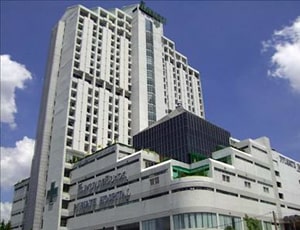
Piyavate Hospital
Bangkok, Thailand
Piyavate Hospital located in Bangkok, Thailand is accredited by JCI. Also listed below are some of the most prominent infrastructural details:
Medicine Centre: Piyavate Hospital provides advanced holistic treatment for their patients. They offer a complete range of services and physicians that specialize in various fields like the endocrine system, the nervous system, kidney function, cardiovascular care, respiratory and digestive system. They pride themselves for the familial care that they provide to their patients.
Fertility and In-Vitro Fertilization Centre: Helping the couples who walk into the Piyavate Hospital to achieve their dream of having a family. They have a medical team that specializes in male and female fertility. They offer consultation services, fertility check-up for both men and women and complete IVF services. They have advanced IVF cycle treatment facilities that offer a high rate of success.
Bone and Joint Institute: Piyavate Hospital houses one of the frontrunners in Orthopaedic health care in all of SouthEast Asia. They offer a wide range of services and surgeries in their bone and joint institute that include hand surgery, hip and knee replacement surgery, spinal cord surgery, upper extremity surgery, arthroscopic surgery and sports medicine.
Eye and Lasik Centre: Piyavate Hospital is fully equipped with the latest and most advanced technology for eye care and houses highly skilled ophthalmologists, sub-specialists and qualified nurses.
Physical Therapy and Rehabilitation Centre: One of the first hospitals to be equipped with the Hybrid Assistive Limb technology that will help a neurologically challenged patient to control the rehabilitation robot limb with a signal from their brain. The Physical Therapy and Rehabilitation Centre at Piyavate Hospital uses this system encourage patients to regain muscle memory to walk and function normally.
Amenities for Patient’s Family:
Piyavate Hospital also offers additional apartment facilities to house the kin of the patients who come to visit them from distant places. A restaurant, a flower shop and a café are a few of the other amenities provided by the hospital.
These are the most popular services offered by the Piyavate Hospital in Bangkok, Thailand. They also provide a plethora of other medical services that are listed below:
Diabetic Foot Centre
Check-up centre
Urology Centre
Heart Institute
Paediatric Centre
Obstetrics and Gynaecology Centre
Surgery Centre
Ear Nose Throat Centre
Haemodialysis Centre
Dental Centre
X-Ray Centre
Gastroenterology Centre
Cancer Centre
Neonatal Intensive Care Unit (NICU)
Emergency Services and Centre
Tele-medicine

Phyathai 2 International Hospital
Bangkok, Thailand
Phyathai 2 International Hospital located in Bangkok, Thailand is accredited by JCI. Also listed below are some of the most prominent infrastructural details:
- Fully equipped rooms are available for convenience of the patients- Gold B Room, Gold A Room, Pediatric Gold A, Platinum room, and Prestige ward
- Nearby accommodations are also available- Abloom Service Apartments, Bangkok Patio, VIB Best Western Sanam Pao, VIC3 Hotel
- Operating room
- International Patient Medical Center to assist overseas patients
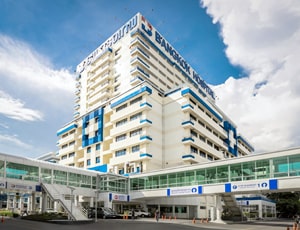
Bangkok Hospital
Bangkok, Thailand
Bangkok Hospital located in Bangkok, Thailand is accredited by JCI. Also listed below are some of the most prominent infrastructural details:
- It is recognised for the application of the newest healthcare technology.
- Blood analysis center that is not just the best in Thailand but in Asia Pacific as well.
- Biomolecule center that is the seed of healthcare equipment for Thailand and overseas.
- International affiliations and collaborations with universities and hospitals in Japan and the United States of America.
- 11 hospitals are recognised as Centers of Excellence.
- Known excellence in Trauma, Orthopedics, Cardiovascular, Neurology as well as Cancer Care.
- There is a proper streamlined patient services process followed in Bangkok Dusit Medical Services, Bangkok, Thailand.
- A well developed research center showcases the intent of the organisation to provide research based treatment opportunities to the patients.
- The group has several Medical industry partnerships as well to ensure healthcare solutions.
Our Services to better your experience
Opinion & Option
We submit the most accurate opinion and options from one or more countries for your review
Consult Privately
Consult with a certified specialist privately on our telemedicine platform even before you decide to travel
Logistics
We handle flights, visas, transfers, and accommodation—so you can focus on your health.
Recovery
Our In-house rehabilitation service packages to better your recovery and treatment outcome
Why Choose Thailand for Aortic Dissection (Type A) Treatment?
- Specialised Aortic and Cardiac Centres: Many specialised hospitals in Thailand have cardiothoracic surgery teams experienced in managing complex aortic conditions, including acute Type A dissection.
- Advanced Diagnostic Facilities: Hospitals may offer CT angiography, transoesophageal echocardiography, cardiac imaging, and intensive monitoring to support rapid diagnosis and treatment planning.
- Multidisciplinary Care: Treatment can involve cardiothoracic surgeons, cardiologists, radiologists, anaesthesiologists, intensivists, and rehabilitation specialists working together.
- Complex Surgical Expertise: Selected centres perform procedures such as ascending aortic replacement, aortic root surgery, valve procedures, hemiarch replacement, and, when clinically indicated, more extensive arch reconstruction.
- Support for International Patients: Many major hospitals have international patient departments that assist with medical records, appointments, treatment coordination, accommodation, and follow-up arrangements.
Frequently Asked Questions

Reviewer

Dr. Nityanand Tripathi
Interventional Cardiologist
29 Years of Experience
With a rich experience of more than 29 years, Dr. Nityanand has gained a vast spectrum of skills and expertise in performing all types of complex cardiac procedures. He is an expert in clinical & interventional cardiology and electrophysiology. He studied his medicine (MBBS) and MD from the Institute of Medical Sciences of Banaras Hindu University, Varanasi, and later completed his DM in Cardiology from the prestigious King George Medical University, Lucknow. View More
Last Reviewed - January 2026