Anorectal Varicosities Treatment in Malaysia
- Top Accredited Hospitals
- Global Medical Standards
- Cutting-Edge Technology
- Proven Treatment Options
- High Success Rate
- Trusted by Millions

What are Anorectal Varicosities?
Anorectal varicosities, also called anorectal or rectal varices, are abnormally enlarged veins in and around the rectum and anus. They usually develop as collateral blood vessels when portal hypertension causes increased pressure in the portal venous system, most commonly in people with advanced liver disease or other conditions affecting portal blood flow.
What is the Importance of Timely Treatment?
Anorectal varices may remain asymptomatic, but they can cause significant or potentially life-threatening rectal bleeding when a varix ruptures. Prompt evaluation is particularly important in patients with portal hypertension who develop unexplained rectal bleeding. Early diagnosis also allows doctors to identify and manage the underlying cause of portal hypertension and reduce the risk of recurrent bleeding.
What are the Common Symptoms of Anorectal Varicosities?
- Rectal bleeding
- Blood in the stool
- Anemia
- Anorectal discomfort
- Symptoms of underlying liver disease
Causes and Risk Factors of Anorectal Varicosities
Causes
- Portal hypertension: Increased pressure in the portal venous system is the principal underlying mechanism.
- Liver cirrhosis: Advanced chronic liver disease can increase portal pressure and promote formation of collateral veins.
- Portal vein thrombosis: Obstruction of portal blood flow can contribute to portal hypertension and collateral vessel formation.
- Non-cirrhotic portal hypertension: Conditions such as extrahepatic portal venous obstruction or other vascular disorders can also cause anorectal varices.
- Other causes of portal hypertension: Any condition that significantly increases portal venous pressure may contribute to development of ectopic varices.
Risk Factors
- Chronic liver disease or cirrhosis
- Portal hypertension
- Portal vein thrombosis or obstruction
- Previous abdominal or pelvic surgery in selected patients
- Conditions causing non-cirrhotic portal hypertension
- Previous episodes of variceal bleeding
Latest Research and Technologies in the Treatment of Anorectal Varicosities in Malaysia
- Treatment for hemorrhoids has improved with better examination methods and less invasive options, including rubber band ligation, injections, infrared treatment, and laser procedures. These treatments may help relieve bleeding and prolapse, depending on severity. Surgery may be recommended for severe or ongoing hemorrhoids. Accurate diagnosis is important because rectal varices linked to portal hypertension need different care. In Malaysia, available treatments and access to specialist procedures vary between hospitals.
Treatment options for Anorectal Varicosities
Endoscopic treatment:Endoscopic band ligation or injection sclerotherapy may be used to control bleeding from rectal varices in selected patients. The choice depends on the varices' size and location and the treating specialist's assessment.
EUS-guided therapy : Endoscopic ultrasound with colour Doppler can help locate varices and guide targeted treatment. Selected patients may undergo coil embolisation or injection of a haemostatic agent in specialised centres.
Cost Start From 600Explore Options
Interventional radiology: The procedure aims to block the abnormal veins responsible for bleeding.
Transjugular intrahepatic portosystemic shunt (TIPS): In selected patients with significant portal hypertension and recurrent or uncontrolled bleeding, TIPS may decompress the portal venous system.
- Clinical assessment:
- Medical History: The doctor reviews rectal bleeding, previous episodes, liver disease, portal hypertension and any history of abdominal or pelvic procedures.
- Physical Examination: Examination of the abdomen and anorectal region helps assess bleeding and distinguish possible varices from other causes such as hemorrhoids.
- Blood Tests: Complete blood count and coagulation testing can help identify anemia, blood loss and abnormalities that may affect treatment.
- Liver and Portal Hypertension Assessment: Clinically indicated, liver function tests and investigations for the underlying cause of portal hypertension may be performed.
- Endoscopic Assessment: Anoscopy, proctoscopy or flexible sigmoidoscopy may be used as initial tools to identify anorectal varices and locate a bleeding source.
- Imaging Tests:
- Endoscopic Ultrasound (EUS): EUS can identify deep rectal varices and assess their venous anatomy and blood flow.
- Colour Doppler Ultrasound: Doppler imaging can evaluate portal and collateral venous blood flow and may help assess portal hypertension.
- Contrast-Enhanced CT: CT can demonstrate collateral vessels, portal venous abnormalities and the broader abdominal vascular anatomy.
- MRI/MR Angiography: MRI-based imaging can provide detailed information about pelvic and portal venous anatomy when additional assessment is required.
- Portal Venography/Angiographic Assessment: In selected patients, interventional radiological imaging can map abnormal venous channels and assist with treatment planning.
- Medicines used for anorectal varices generally focus on reducing portal pressure, controlling bleeding, and managing the underlying condition. Treatment may include medicines that improve blood flow or reduce bleeding, along with supportive treatment when required. The specific medicines depend on symptom severity, the underlying cause, and the patient's overall health.
Instantly Connect with our Specialists


Hospitals for Anorectal Varicosities in Malaysia
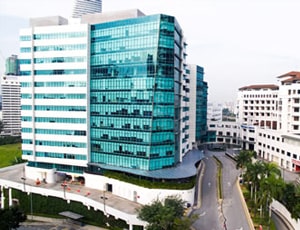
Parkway Pantai
Kuala Lumpur, Malaysia
Parkway Pantai located in Kuala Lumpur, Malaysia is accredited by JCI. Also listed below are some of the most prominent infrastructural details:
- Capacity of 335 beds
- 200+ specialist Doctors
- Critical Care Unit
- Neonatal Intensive Care Unit
- Operating Theatre
- International Patient Care Center
- Types of rooms available- Premier Suite, Supreme Suite, Deluxe Single Room, 2-bedded room, 4-bedded room, Deluxe Suite, Premier Single room, and Supreme Single room

Sunway Medical Centre
Kuala Lumpur, Malaysia
Sunway Medical Centre has initiated a comprehensive expansion plan close to its current hospital facility to enhance its ability to provide services to the global market. The new Cancer Radiosurgery Center and Nuclear Medicine Center, which will also house additional Centers of Excellence like the Digestive Health Center and Dialysis Center, marked the completion of Tower C's first phase in October 2016.

Damansara Specialist Hospital, Petaling Jaya
Petaling Jaya, Malaysia
- KPJ Damansara Specialist Hospital offers specialised healthcare across cardiology, oncology, orthopedics, neurology, gastroenterology, nephrology, women’s health, pediatrics, ENT, and minimally invasive surgery. The hospital provides advanced diagnostics, rehabilitation, cardiac care, neurosurgery, wellness programs, and preventive healthcare supported by multidisciplinary specialists and patient-centred clinical protocols. Equipped with modern medical technologies and safety-driven systems, it focuses on evidence-based treatment, personalised care planning, and quality healthcare delivery
Our Services to better your experience
Opinion & Option
We submit the most accurate opinion and options from one or more countries for your review
Consult Privately
Consult with a certified specialist privately on our telemedicine platform even before you decide to travel
Logistics
We handle flights, visas, transfers, and accommodation—so you can focus on your health.
Recovery
Our In-house rehabilitation service packages to better your recovery and treatment outcome
Why Choose Malaysia for Anorectal Varicosities Treatment?
- Specialised Gastroenterology Care: Malaysia hospitals have gastroenterology and hepatology departments experienced in evaluating portal hypertension and gastrointestinal bleeding.
- Advanced Endoscopic Facilities: Specialised centres offer diagnostic and therapeutic endoscopy, including EUS and Doppler-assisted assessment.
- Interventional Radiology Expertise: Selected hospitals offer procedures such as embolisation and TIPS for complex portal-hypertension-related bleeding.
- Multidisciplinary Treatment: Gastroenterologists, hepatologists, interventional radiologists, and surgeons can manage complex cases collaboratively.
- International Patient Support: Many Malaysia hospitals provide international-patient services such as medical record review, specialist appointments, treatment coordination and assistance with travel-related arrangements.
