Ankle Arthritis Treatment in Malaysia
- Top Accredited Hospitals
- Global Medical Standards
- Cutting-Edge Technology
- Proven Treatment Options
- High Success Rate
- Trusted by Millions

What is Ankle Arthritis?
Ankle arthritis is caused by pain, swelling, stiffness, and reduced mobility in the ankle joint. It is most often precipitated by cartilage breakdown. Rheumatoid arthritis, osteoarthritis, and post-traumatic arthritis (following an injury) are a few of the causes. Daily activities such as walking and climbing stairs can become difficult due to the condition's pain and compromised joint function. The joint's breakdown over time can lead to bone spurs and further limit the range of motion.
What is the Importance of Timely Treatment?
Ankle arthritis must be addressed early to manage symptoms, prevent further degeneration, and improve quality of life. Early treatment can reduce inflammation, relieve pain, and prevent joint deterioration from worsening, leading to more significant disability. Moreover, it preserves joint function so individuals can keep moving and doing daily activities. Therapy delays can lead to abnormalities or, in extreme cases, require more invasive measures like surgery. Early intervention can reduce issues and significantly increase long-term outcomes.
What are the Common Symptoms of Ankle Arthritis?
Some common symptoms of ankle arthritis are mentioned below:
- Swelling
- Pain
- Stiffness
- Reduce Mobility
Causes and Risk Factors of Ankle Arthritis
Causes
- Osteoarthritis: Wear and stress on the cartilage of a joint due to ageing.
- An ankle injury, such as a fracture, sprain, or ligament injury, is characterised by arthritis developed after the trauma as post-traumatic arthritis.
- An autoimmune form of arthritis termed rheumatoid arthritis, inflames and destroys the joints, like the ankle joint.
- Infection: Untreated infections of joints (septic arthritis) develop inflammation and arthritis.
- Uric acid crystals formed in the joint cause gout, a form of inflammatory arthritis.
- Psoriatic arthritis, a type of arthritis associated with the skin condition psoriasis, may cause ankle joint pain.
- Congenital disorders are joint structure abnormalities present from birth that lead to misalignment and accelerated joint wear.
- Repetitive Stress: Chronic stress on the ankle due to chronic standing or high-impact sports.
Risk Factors
- Age: Because cartilage naturally deteriorates, the risk rises with age.
- Past Injuries: Ankle sprains, fractures, or ligament injuries may elevate the chance of developing arthritis.
- Obesity: Carrying too much weight strains the ankle joint, causing damage.
- Genetics: Ankle arthritis risk may be raised by a family history.
- Joint Misalignment: Ankle abnormalities like flat feet or a misaligned joint might raise the chance of developing arthritis.
- High-impact sports: Exercises like sprinting and jumping that repeatedly strain the ankle may make it more vulnerable.
- Autoimmune Conditions: The ankle joint may be impacted by conditions such as psoriatic arthritis or rheumatoid arthritis.
Connect with our advisor for a PRIORITY response
Latest Research and Technologies in the Treatment of Ankle Arthritis in Malaysia
In Malaysia, recent advances in treating ankle arthritis have introduced a variety of new strategies designed to improve patient outcomes. Platelet-rich plasma (PRP) injections have emerged as a favoured nonoperative treatment for osteoarthritis of the ankles because of their significant short-term advantages in joint function and pain relief. In addition, research has suggested that hyaluronic acid injections can relieve symptoms for long periods, with function and discomfort improvement as long as 26 weeks after the injection. Total ankle replacement (TAR) is now an available surgical solution for more advanced cases, offering patients with end-stage ankle arthritis better mobility and quality of life.
Ankle Arthritis Prevention Tips
There are some tips to prevent ankle arthritis, including the following:
- A healthy weight prevents ankle arthritis because it reduces joint stress.
- Regular exercise, like cycling or swimming, strengthens the ankle muscles, enhancing support.
- Protective equipment and proper footwear can prevent injury when engaging in high-impact activities.
- Addressing ankle injuries, such as sprains or fractures, is essential to avoid long-term damage.
- Regular strengthening and stretching exercises enhance the flexibility of the joints and reduce joint stress.
- Reducing stress on the ankle can be ensured by using proper shoes that give enough support and cushioning.
- It is also essential to reduce repetitive activities that cause excessive stress to the ankle, such as running on hard surfaces.
Treatment options for Ankle Arthritis
Ankle Arthrodesis: In severe instances of arthritis, ankle arthrodesis or ankle fusion, a surgical operation that fuses the bones in the ankle joint, is used to alleviate pain and enhance stability.
Cost Start From USD 4500 - USD 8000Explore Options
- Clinical assessment:
- Physical Exam: Your healthcare professional will examine your ankle conditions.
- Range-of-motion tests: The doctor will check your movement and flexibility.
- Imaging Tests:
- X-rays:Identify joint space narrowing, bone spurs, and evidence of loss of cartilage.
- MRI Scans Provide detailed views of cartilage, soft tissues, and bone marrow alterations.
- Ultrasound shows joint inflammation, fluid buildup, and soft tissue injury.
- Other diagnostic:
- Weight-bearing and walking assessment: This involves assessing the capacity to bear weight on the affected ankle and identifying areas of discomfort and mobility limitation.
- Balance Test: Evaluating neuromuscular function and how ankle arthritis impacts balance and coordination.
MediRehab (chain of Rehab centres - Part of MediGence) provides comprehensive rehabilitation services to support Ankle Arthritis patients in India. These services include:
- Personalised Therapy Plans: Improved mobility, pain management, improvement in strength, and reduction in inflammation.
- Post-operative rehabilitation: Physical therapy sessions aimed at regaining joint strength and function.
- Depending on the situation, your healthcare professional may prescribe medicine to help control your symptoms and support the treatment plan.
Instantly Connect with our Specialists


Hospitals for Ankle Arthritis in Malaysia
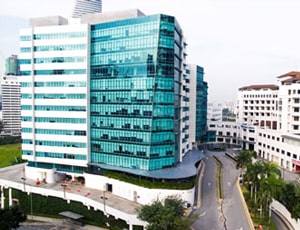
Parkway Pantai
Kuala Lumpur, Malaysia
Parkway Pantai located in Kuala Lumpur, Malaysia is accredited by JCI. Also listed below are some of the most prominent infrastructural details:
- Capacity of 335 beds
- 200+ specialist Doctors
- Critical Care Unit
- Neonatal Intensive Care Unit
- Operating Theatre
- International Patient Care Center
- Types of rooms available- Premier Suite, Supreme Suite, Deluxe Single Room, 2-bedded room, 4-bedded room, Deluxe Suite, Premier Single room, and Supreme Single room

Sunway Medical Centre
Kuala Lumpur, Malaysia
Sunway Medical Centre has initiated a comprehensive expansion plan close to its current hospital facility to enhance its ability to provide services to the global market. The new Cancer Radiosurgery Center and Nuclear Medicine Center, which will also house additional Centers of Excellence like the Digestive Health Center and Dialysis Center, marked the completion of Tower C's first phase in October 2016.

Damansara Specialist Hospital, Petaling Jaya
Petaling Jaya, Malaysia
- KPJ Damansara Specialist Hospital offers specialised healthcare across cardiology, oncology, orthopedics, neurology, gastroenterology, nephrology, women’s health, pediatrics, ENT, and minimally invasive surgery. The hospital provides advanced diagnostics, rehabilitation, cardiac care, neurosurgery, wellness programs, and preventive healthcare supported by multidisciplinary specialists and patient-centred clinical protocols. Equipped with modern medical technologies and safety-driven systems, it focuses on evidence-based treatment, personalised care planning, and quality healthcare delivery
Our Services to better your experience
Opinion & Option
We submit the most accurate opinion and options from one or more countries for your review
Consult Privately
Consult with a certified specialist privately on our telemedicine platform even before you decide to travel
Logistics
We handle flights, visas, transfers, and accommodation—so you can focus on your health.
Recovery
Our In-house rehabilitation service packages to better your recovery and treatment outcome
Why Choose Malaysia for ankle arthritis Treatment?
Malaysia is renowned for ankle arthritis treatment because it has world-class medical facilities, skilled physicians, and affordable care. Malaysia features cutting-edge treatments such as stem cell therapy, PRP therapy, and keyhole surgeries. In Malaysia, hospitals receive international accreditation and also offer after-treatment rehabilitation. Patients are treated to a short waiting list and a leisurely recovery area with provisions for medical tourism. Generally, Malaysia offers high-quality care at a reasonable price, the best option for treating arthritis.
Frequently Asked Questions
The most common types of ankle arthritis include:
- Osteoarthritis (degenerative arthritis) is caused by the gradual wearing away of the cartilage in the ankle joint and leads to pain, stiffness, and limited motion.
- Rheumatoid arthritis is an autoimmune disorder that causes inflammation, pain, and deformity by attacking healthy tissues within joints, including the ankle.
- Post-Traumatic Arthritis: Ankle injuries like fractures or bad sprains can lead to post-traumatic arthritis, which progressively degrades the cartilage and leads to arthritis.
Ankle arthritis pain can be managed by:
- The use of over-the-counter pain-relieving medications.
- Participating in physical therapy to enhance mobility, strength, and flexibility.
- Maintaining a healthy weight to reduce ankle joint stress.
- To further assist, wear orthotic insoles or ankle braces.
- Applying heat or cold treatment to alleviate inflammation and pain.
- Consider getting joint injections of hyaluronic acid or steroids to ease discomfort.
- Altering one's lifestyle to avoid high-impact activities.
- Exploring surgical options for severe patients, including joint replacement or ankle fusion.
When non-surgical interventions for ankle arthritis are ineffective and the pain significantly affects daily activities, surgery can be necessary. It is also considered when joint deformities, a limited range of motion, or progressive injury leads to swelling and instability.
Suppose conservative treatments such as medicine, physical therapy, or injections cannot manage symptoms. In that case, surgical options such as ankle fusion or joint replacement can be recommended to alleviate pain and restore function.
Ankle arthritis may be cured with surgery using the following:
- Ankle Fusion (Arthrodesis): The procedure alleviates pain by fusing the bones of the ankle joint, yet it may also reduce the range of motion.
- Arthroplasty, or replacement of the ankle joint, is a surgical technique for replacing an injured ankle joint with an artificial one. It restores function and eases pain.
The recovery period after surgery on the ankle is different for each patient and procedure. Recovery from procedures such as fusions of the ankle typically takes six to twelve months because the bones unite.
Ankle arthritis surgery has several potential risks and complications, including:
- Surgical infection
- Lung or leg blood clots (pulmonary embolism or deep vein thrombosis)
- Injury to the blood vessels or nerves during surgery
- Stiffness or limited motion of the ankle after healing
- Failure or loosening of the implant in ankle joint replacement surgery
- Non-union or delayed union of the bone after fusion surgery
- Post-operative discomfort and swelling
- Persistent pain after surgery
In Malaysia, surgery for ankle arthritis is generally very successful, with good outcomes from procedures like total ankle replacement and fusion. Success rates will depend on the specific procedure and the patient's condition. Most patients are helped by a highly advanced healthcare system and well-trained orthopaedic surgeons in Malaysia.
Yes, ankle arthritis can affect other body joints, particularly rheumatoid or psoriatic arthritis. These autoimmune disorders affect the joints of the ankle, knee, hip, wrist, and fingers.
Yes, physical therapy can significantly help in treating ankle arthritis. It addresses the ankle joint's range of motion, strength, and flexibility to reduce pain and increase function. Physical therapists can enhance stability and support by strengthening the muscles around the joint. They may also teach techniques for changing gait and reducing stress on the damaged ankle.
Yes, weight control is essential in treating ankle arthritis. Excess weight puts tension on the ankle joint, which tends to cause more pain and may accelerate cartilage breakdown. Being at a healthy weight can also slow the worsening of arthritis. It also improves overall function and mobility, making engaging in physical therapy and daily activities easier.
You can try the following ways to gain ankle mobility and reduce stiffness if you have arthritis:
- Physical therapy: Doing specific exercises to improve flexibility and build strength in the ankle muscles.
- Range of motion exercises: To maintain or enhance joint flexibility, move the ankle in all directions.
- Stretching: Adding regular stretches gives the ankle and the muscles around it greater flexibility.
- Heat or cold therapy: Apply heat to relax tight muscles and cold to reduce swelling and inflammation.

Reviewer

Dr. Puneet Mishra
Orthopaedic Surgeon
25 Years of Experience
Known among his patients for treating with compassion and personal care, Dr. Puneet Mishra is one of the best orthopedic surgeons in New Delhi. Dr. Puneet completed his MBBS from Maulana Azad Medical College in 1996 and from the same college he completed his MS (orthopedics) in 2000. With almost 25+ years of surgical experience under him, Dr. Pankaj takes pride in working with some of the finest medical institutions of the world such as University Hospital, Bern, Maulana Azad Medical College, New Delhi, Endoklinik, Germany, and Professor and Consultant orthopedician at Guru Teg Bahadur Hospital, New Delhi. View More
Last Reviewed - January 2026