Age-Related Macular Degeneration Treatment in Turkey
- Top Accredited Hospitals
- Global Medical Standards
- Cutting-Edge Technology
- Proven Treatment Options
- High Success Rate
- Trusted by Millions

What is Age-related macular degeneration?
Age-related macular degeneration (AMD) is a degenerative eye condition in which the macula, which is the center region of the retina that provides sharp and detailed vision, is impacted. It is one of the main reasons why people over 50 lose their vision. Although AMD does not result in total blindness, it can majorly affect central vision, making it challenging to read, drive, and recognise faces.
There are generally two types of AMD
- Wet AMD
- Dry AMD
What are the Common Symptoms of Age-related macular degeneration?
AMD frequently progresses slowly, and in its early stages, symptoms might not be apparent. But when the illness worsens, people could encounter:
- Center vision that is blurred (straight lines may appear curved or wavy).
- Impairment of eyesight resulting in difficulty reading or identifying faces.
- Scotomas are areas in the center of vision that are dark or empty.
- Diminished sensitivity to brightness and contrast.
- Better lighting is required for close-up work.
- Gradual recovery of vision following exposure to intense light.
- Having trouble adjusting to low light levels.
Causes and Risk Factors of Age-related macular degeneration
Causes
AMD is thought to be caused by a confluence of
- Lifestyle, environmental, and genetic factors, while the precise etiology is unknown.
- Degeneration of the light-sensitive cells in charge of central vision results from damage to the macula.
Risk variables
Several variables raise the chance of having AMD, such as:
- Age: The most significant threat factor is age, with those over 50 more vulnerable.
- Genetics and Family History: The chance of getting AMD is increased if there is a family history of the disorder.
- Smoking: Smoking damages the retina, which significantly raises the risk.
- Obesity: Carrying too much weight can accelerate the development of AMD.
- Bad Diet: A diet deficient in vitamins, omega-3 fatty acids, and antioxidants may raise the risk.
- Hypertension, or elevated blood pressure: It can damage the blood vessels in the retina, increasing
Connect with our advisor for a PRIORITY response
Latest Research and Technologies in the Treatment of Age-related macular degeneration Turkey
Through research and the use of contemporary medicines, Turkey has achieved notable progress in treating age-related macular degeneration (AMD). Numerous studies have assessed the practical efficacy of anti-VEGF injections. Off-label drug use is still prevalent among Turkish ophthalmologists due to economic concerns.
Treatment options for Age-Related Macular Degeneration
Macular degeneration surgery: When all other therapies for severe cases of age-related macular degeneration (AMD) fail, macular degeneration surgery is the term used to describe the surgical methods utilised. In advanced wet AMD, operations such as vitrectomy can assist in removing blood or scar tissue, but the main treatments are anti-VEGF injections and laser therapies. An implantable tiny telescope (IMT) is sometimes used to help patients with end-stage dry AMD see better. Surgery can help maintain or improve remaining vision, but it is not a cure.
Cost Start From USD 2000 - USD 4500Explore Options
Following are the various diagnostic test
- OCT, or optical coherence tomography, offers fine-grained retinal imaging to identify eye abnormalities.
- Fundus fluorescein angiography (FFA) detects leakage and aberrant blood vessels in wet AMD.
- Deeper blood artery anomalies can be found with the aid of Indocyanine Green Angiography (ICG).
- The Amsler Grid Test is a straightforward at-home examination used to track eye-light changes.
- Visual Acuity and Dilated Eye Exam: Evaluates macular health and central vision loss.
MediRehab (a chain of Rehab centres, part of MediGence) provides comprehensive rehabilitation services to support patients through Teleconsulations and online therapy sessions. Although there isn't a specific rehabilitation therapy for AMD, a nutrient-rich diet, lifestyle changes, and multivitamin supplements are essential for controlling the illness and delaying its progression.
Depending on the situation, your healthcare professional may prescribe medicine to help control your symptoms and support the treatment plan.
Instantly Connect with our Specialists


Hospitals for Age-Related Macular Degeneration in Turkey

Medical Park Karadeniz Hospital
Trabzon, Turkey
Apart from in-detail treatment procedures available, Medical Park Karadeniz Hospital located in Trabzon, Turkey has a wide variety of facilities available for International Patients. Some of the facilities which are provided by them are Accommodation, Airport Transfer, Choice of Meals, Interpreter, TV inside room. Also listed below are some of the most prominent infrastructural details:
- Situated in an area of 12.000 square meter
- Capacity of 107 beds
- Intensive Care Unit (17 beds)
- Neonatal ICU (NICU- 12 beds)
- 6 Operating Rooms
- Cafeteria

Medipol Bahçelievler Hospital
Istanbul, Turkey
Medipol Bahcelievler Hospital is a medical institution providing a full range of medical and individualized approaches to its patients. Medipol has the ambition to bring high quality and maximum security to people in need by employing state-of-the-art technologies in medicine. They ensure that the health of the patients is improved by fashioning unique physician specialty treatment programs.
Medipol Bahcelievler Hospital provides an exceptional position in the healthcare industry with a policy of clear communication, professionalism, and reliability to patient expectations. Medipol Bahçelievler Hospital is situated in the European Side of Istanbul, dedicated to 24-hour health care for you and your loved ones, equipped with a fully functional operation theatre and ICUs with state-of-the-art equipment, laboratory, emergency, and advanced treatment rooms
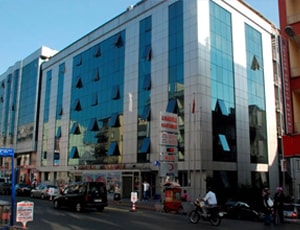
Eregli Anadolu Hospital
Zonguldak, Turkey
Apart from in-detail treatment procedures available, Eregli Anadolu Hospital located in Zonguldak, Turkey has a wide variety of facilities available for International Patients. Some of the facilities which are provided by them are Accommodation, Airport Transfer, Choice of Meals, Interpreter, SIM, TV inside room. Also listed below are some of the most prominent infrastructural details:
- Latest cutting edge technology applied in the diagnostic and medical treatment equipment and processes.
- Complex and critical conditions have been treated by the hospital over time.
- Inbuilt area is 9000 square meters
- 130 inpatient bed capacity
- 30 physicians working in the hospital
- A number of polyclinics
- Diagnostic facilities such as with imaging, sleep labs, biochemistry labs
- Emergency rooms available
- Intensive care units for critical cases
- Operation theatres with latest facilities
Our Services to better your experience
Opinion & Option
We submit the most accurate opinion and options from one or more countries for your review
Consult Privately
Consult with a certified specialist privately on our telemedicine platform even before you decide to travel
Logistics
We handle flights, visas, transfers, and accommodation—so you can focus on your health.
Recovery
Our In-house rehabilitation service packages to better your recovery and treatment outcome
Why Choose Turkey for Age-Related Macular Degeneration?
Turkey is one of the best places to cure age-related macular degeneration (AMD) because of its
- cutting-edge medical equipment, highly qualified ophthalmologists, and reasonably priced healthcare.
- Anti-VEGF injections, laser therapy, and low-vision rehabilitation are state-of-the-art treatments at prestigious eye facilities.
- Furthermore, telemedicine services and AI-based diagnostics increase accessibility, making Turkey a top option for premium AMD treatment at a fraction of the price of other countries.
Frequently Asked Questions
Age-related macular degeneration (AMD) usually does not require surgery. Most cases, particularly wet AMD, are treated with photodynamic treatment, laser therapy, or anti-VEGF injections. Surgery, such as a vitrectomy or an implanted miniature telescope (IMT) implantation, is only considered in severe or advanced cases.
In Turkey, one of the main causes of vision impairment in people 50 years of age and older is age-related macular degeneration (AMD).
AMD causes visual loss by affecting the macula; dry AMD causes slow retinal thinning, whereas wet AMD causes leaking. with lifestyle modifications, medicine, or treatment to control symptoms and reduce their course is made easier by early detection with imaging tests such as OCT and fluorescein angiography.
Untreated AMD can result in severe and irreversible central vision loss, which makes it challenging to perform daily tasks, including driving, reading, and recognising faces. Wet AMD can cause irreparable scarring and blindness because of fluid leaks, while dry AMD can lead to regional atrophy and widespread retinal cell death. The necessity for prompt medical attention is highlighted by the fact that untreated AMD raises the risk of falls, depression, and a lower quality of life.
Most hospitals in Turkey offer the following:
- Assistance in obtaining visas.
- Airport Service to and from the hospitals.
- Multilingual experts and Best accommodations services.
- Personalised treatment plans for patients from abroad.
Before choosing a recognised eye institute, research the doctor's experience, patient testimonials, hospital amenities, and availability of cutting-edge AMD treatments to determine the best doctor and hospital in Turkey for AMD treatment. You can also get support by speaking with a medical facilitator at mediGence to select the best doctor and facility.
Yes, Turkish hospitals have state-of-the-art equipment for treating AMD, including as photodynamic therapy, laser therapy, and anti-VEGF injections. OCT and fundus imaging are examples of advanced diagnostic technologies that guarantee accurate disease monitoring and individualised treatment regimens.
In Turkey, AMD treatment has a high success rate, mainly when sophisticated therapies, including anti-VEGF injections, laser treatments, and photodynamic therapy, are used in conjunction with early diagnosis.
Yes, many Turkish physicians have received international training and qualifications, and many have extensive expertise treating AMD. They are experts in cutting-edge therapies like laser procedures, anti-VEGF therapy, and retinal surgery.
Depending on the treatment, recovery from AMD surgery might vary; PDT and laser photocoagulation take 1-2 weeks, while anti-VEGF medications enable a speedy return to activities. Full healing from a vitrectomy takes weeks to months, and the best results require routine follow-ups.
Turkey is a cost-effective choice for those seeking treatment because it provides top-notch medical care at affordable costs compared to several Western nations.
Yes, Turkey's healthcare system accepts patients from abroad and provides excellent ARMD treatments at many clinics and hospitals.
Yes, many Turkish hospitals offer in-person and online consultations to foreign patients who want a second opinion..

Reviewer
Dr. Vidit Tripathi
ENT Surgeon
24 Years of Experience
One of the finest ENT Surgeon in New Delhi, India, Dr. Vidit Tripathi, has worked with several world class multidisciplinary hospitals over the years. Dr. Vidit Tripathi has over 24+ years of experience in his field. The specialist treats and manages a wide range of conditions such as Goiter, Radiation Necrosis in Neck, Neck Injury, Perforates Eardrum View More
Last Reviewed - January 2026