ACL Tear or ACL Injury Treatment in India
- Top Accredited Hospitals
- Global Medical Standards
- Cutting-Edge Technology
- Proven Treatment Options
- High Success Rate
- Trusted by Millions

What is an ACL Tear or ACL Injury?
An anterior cruciate ligament (ACL) sprain or rupture is known as an ACL injury. It is one of the strong bands of tissue that helps join the shinbone to the thighbone. Football, basketball, soccer, and downhill skiing involve abrupt stops or direction changes, jumping, and landing, the most common causes of ACL injury.
What is the Importance of Timely Treatment?
Treating an ACL tear or injury as soon as possible is crucial to preventing further damage to the knee joint and surrounding tissues. If the injury goes untreated, it can lead to chronic problems in the joint, such as arthritis and instability, and an increased risk of further damage to the surrounding ligaments or cartilage.
Early intervention can help regain knee stability, promote faster healing, and reduce the potential for long-term complications. This includes conservative measures like rest, physical therapy, bracing, and surgical repair. Moreover, timely treatment helps patients return to usual activities, including sports, quicker and more stable.
What are the Common Symptoms of ACL Tear or ACL Injury?
Common symptoms of an ACL tear or injury include the following:
- Severe pain
- Swelling
- Instability
- Limited range of motion
- Popping sound
- Bruising
Causes and Risk Factors of ACL Tears or ACL Injuries
Causes
An ACL injury can arise from anything that strains your knee highly. You risk an ACL tear whenever your knee twists or moves more than it can usually.
- Injury from sports.
- Auto accidents
- Falls.
Risk Factors
- Gender
- Age
- Sports participation
- Previous injuries
- Muscle imbalance
- Improper training or technique
Connect with our advisor for a PRIORITY response
Latest Research and Technologies in the Treatment of ACL Tears and ACL Injuries in India
According to NIH research, the management of anterior cruciate ligament (ACL) injuries involves a combination of conventional and surgical approaches, depending on the severity of the injury. These include physical therapy, rehabilitation exercises, and, in some cases, bracing for minor injuries.
Early intervention with rehabilitation can improve knee stability and function. What's out are outdated methods like prolonged rest without rehabilitation, which can delay recovery. Surgical reconstruction of the ACL is usually recommended for more severe injuries to restore knee stability and function, especially for active individuals.
ACL Tear or ACL Injury Prevention Tips
To prevent an ACL tear or injury, focus on increasing flexibility, strengthening the muscles around the knee, and proper jumping, landing, or changing directions techniques. Plyometric exercises, balance training, and warm-ups can enhance stability and coordination. General conditioning, avoiding overtraining, and wearing supportive footwear are also essential for knee health.
Treatment options for ACL Tear or ACL Injury
Anterior Cruciate Ligament (ACL) Reconstruction:
is a treatment to regain knee stability by fixing or replacing the ruptured ACL with a graft. Active individuals are generally told to avoid further injury and return to sporting activities.
Cost Start From USD 3000 - USD 4000Explore Options
- Clinical assessment:
- Physical Examination: Most of the patient's symptoms, such as pain, swelling, and noticeable deformity or instability after an accident around the knee joint.
- Range of Motion Tests: Evaluation of the flexion and extension of the knee. Limitations in movement, especially in terms of flexion and/ or extension, may be an indication of ACL injury.
- Stability Tests:
- Lachman Test: One of the most commonly performed tests to determine knee stability for ACL integrity. "Laxity" or increased mobility is very often an indication of ACL injury.
- The anterior drawer test involves bending the knee and pulling the tibia forward to check for ACL instability.
- Imaging Tests:
- X-rays: Although X-rays cannot directly diagnose ACL tears, they can be used to rule out fractures and show indications of knee joint misalignment.
- MRI: The gold standard for diagnosing an ACL tear is through an MRI. Detailed imaging with clear pictures of the ligament, cartilage, and other soft tissues helps determine the extent of the damage.
- Ultrasound: It can identify soft tissue injury or accumulation of fluid around the knee joint.
- Other diagnostic:
- Weight-bearing and walking assessment: assessing the ability of the injured knee to bear weight and pain while walking or shifting.
- Balance Test: This test evaluates how the injury affects the patient's ability to control their movements and balance, which is crucial for determining how it affects their stability and coordination.
MediRehab (chain of Rehab centres - Part of MediGence) provides comprehensive rehabilitation services designed to support ACL Tear or ACL Injury patients in India. These services include:
Personalised Therapy Plans: Improved mobility, pain management, improvement in strength, and reduction in inflammation.
Post-operative rehabilitation: Physical therapy sessions aimed at regaining joint strength and function.
- Depending on the situation, your healthcare professional may prescribe medicine to help control your symptoms and support the treatment plan.
Instantly Connect with our Specialists


Hospitals for ACL Tear or ACL Injury in India

Marengo Asia Hospitals, Faridabad
Faridabad, India
Marengo Asia Hospitals, located in Faridabad, is a multispecialty, state-of-the-art, and patient-friendly facility that combines the greatest services available in the healthcare segment. With 325 beds now, the hospital can accommodate up to 550 beds. It has first-rate medical facilities including a Critical Care Medicine department for patients with life-threatening conditions. Furthermore, our highly skilled medical staff and cutting-edge software system make us the perfect facility for patients from various backgrounds. We always aim to exceed expectations and are always looking for ways to boost our performance.

Baby Memorial Hospital
Calicut, India
- BMH (Baby Memorial Hospital) is a prominent tertiary referral hospital located in Kerala India, treating a variety of high-risk complex and multidisciplinary medical cases. BMH has been designated by other hospitals throughout Kerala and several other neighbouring states to provide specialty services for myocardial infarction, cerebrovascular accident, cancer, and more. These patients are referred because of their high level of complexity; thus, BMH has assembled a team of multidisciplinary specialists who provide evidence-based medicine 24 hours a day. As such, BMH provides accurate and optimal diagnosis, treatment, and excellent clinical outcomes.

Fortis Hospital
Mohali, India
Fortis Hospital, Mohali, is a leading 400+ bed tertiary care hospital across 8.22 acres, accredited by JCI, NABH, and NABL, offering 42 specialties. The hospital excels in Cardiac Sciences, Oncology, Neurosciences, Orthopaedics, Robotic Surgery, and Transplants. Fortis Cancer Institute provides advanced cancer care with robotic surgery, LINAC, PET-CT, and a multidisciplinary Tumor Board. The Cardiac Centre features 3 high-end cath labs, heart transplants, and expert cardiologists. Neurosciences and Orthopaedics Centres offer advanced brain, spine, joint, and trauma care. Fortis Paalna ensures world-class maternity and neonatal services, including high-risk pregnancy management and stem cell collection, making it a top healthcare destination in North India.
Our Services to better your experience
Opinion & Option
We submit the most accurate opinion and options from one or more countries for your review
Consult Privately
Consult with a certified specialist privately on our telemedicine platform even before you decide to travel
Logistics
We handle flights, visas, transfers, and accommodation—so you can focus on your health.
Recovery
Our In-house rehabilitation service packages to better your recovery and treatment outcome
Why Choose India for ACL Tear or ACL Injury Treatment?
India is an excellent destination for treatment for ACL tears or injuries, with good care at affordable prices. The best institutes in the country have all the latest equipment and highly qualified medical professionals with expertise in treating ACL injuries. Many doctors in India have international training and are using the newest care techniques, including minimally invasive surgery.
Frequently Asked Questions
In most cases, especially severe ruptures, an ACL tear does not heal. The ACL is not able to self-heal because of its poor blood supply. Usually, a significant tear will require surgery to fix the knee and help it become stable again, but a slight tear would heal from rest and therapy. You'll need physical therapy after surgery to regain your strength and mobility.
Treatment for an ACL tear depends on the injury's severity and the patient's activity level. These include:
- Non-Surgical Treatment
- Physical therapy: To enhance stability and reduce pain, strengthen the muscles around the knee.
- Bracing: The application of a knee brace to support and prevent further damage.
- Rest and Ice: Elevate the knee, use ice, and rest it to reduce pain and swelling.
- Medications: Anti-inflammatory drugs for swelling and pain control.
- Surgical Treatment:
- ACL Reconstruction Surgery: The most common procedure is ACL reconstruction surgery, which will replace the torn ligament with a graft, typically taken from the patient's or the donor's tissue.
- Minimally Invasive Surgery: Techniques for arthroscopic surgery to repair the ACL may allow for a more rapid recovery and fewer incisions in specific situations.
Usually, it takes at least six months to recover from surgery. This period encompasses physical therapy and the early stages of recovery. Waiting until the ACL restoration has recovered before returning to sports is necessary to prevent re-injury.
Yes, physiotherapy is essential to the healing process after ACL damage. Physical therapy restores range of motion, increases flexibility, and strengthens the muscles around the knee, regardless of whether surgery is required.
According to research, the success rate of ACL restoration surgery is highly successful, typically ranging from 80% to 95%. Most patients regain significant improvements in knee function, strength, and stability, enabling them to return to normal activities, including sports participation.
There are several risks and long-term issues associated with not addressing an ACL tear, including:
- Stability of the Knee
- Additional Damage
- Prolonged Pain
- Osteoarthritis Reduced Range of Motion
After an ACL injury, you can walk, but it may not be comfortable or easy, depending on the severity of the injury. You can still walk with a bit of pain in case of a minor sprain or partial tear. Walking may become problematic if it is a complete ACL tear since there is a problem of instability, discomfort, and oedema in the knee.

Reviewer
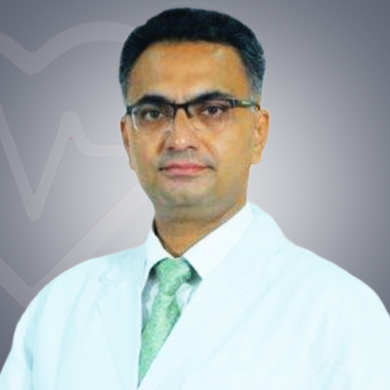
Dr. Puneet Mishra
Orthopaedic Surgeon
25 Years of Experience
Known among his patients for treating with compassion and personal care, Dr. Puneet Mishra is one of the best orthopedic surgeons in New Delhi. Dr. Puneet completed his MBBS from Maulana Azad Medical College in 1996 and from the same college he completed his MS (orthopedics) in 2000. With almost 25+ years of surgical experience under him, Dr. Pankaj takes pride in working with some of the finest medical institutions of the world such as University Hospital, Bern, Maulana Azad Medical College, New Delhi, Endoklinik, Germany, and Professor and Consultant orthopedician at Guru Teg Bahadur Hospital, New Delhi. View More
Last Reviewed - January 2026