Achondroplasia Treatment in Malaysia
- Top Accredited Hospitals
- Global Medical Standards
- Cutting-Edge Technology
- Proven Treatment Options
- High Success Rate
- Trusted by Millions

What is Achondroplasia?
Achondroplasia is a hereditary bone disorder that results in disproportionate short stature. The disorder results from a mutation in the FGFR3 gene, leading to abnormal cartilage and bone development. It is characterised by short hands and legs, a large head, a prominent forehead, a flat face, short fingers, and spinal or lower limb deformities. Most individuals with the condition have normal intelligence.
Achondroplasia is a lifelong genetic condition, but proper medical supervision can help manage it and reduce complications. Management may involve a team of specialists comprising a geneticist, pediatrician, orthopedist, neurosurgeon, cardiologist, ENT specialist, physiotherapist, and others depending upon the patient’s condition.
What is the Importance of Timely Treatment?
Constant monitoring is essential in the early years of life because patients may develop complications involving the foramen magnum, spine, breathing, hearing, and movement that require intervention. Timely treatment helps detect complications early, monitor growth, manage skeletal and neurological concerns, support mobility, provide rehabilitation, and promote greater independence and quality of life.
What are the common symptoms of achondroplasia?
The features can vary between individuals. Common characteristics include:
- Disproportionately short stature
- Shortening of the upper arms and thighs
- Relatively large head size
- Prominent forehead
- Midface retrusion
- Short fingers with a characteristic hand configuration
- Limited elbow extension
- Bowing of the legs
- Increased lumbar curvature
- Thoracolumbar kyphosis, particularly during infancy
- Delayed motor milestones in some children
- Recurrent middle-ear problems
- Sleep-disordered breathing or obstructive sleep apnea
- Spinal stenosis, particularly in older children and adults
- Neurological symptoms caused by spinal or craniocervical compression
Not every person with achondroplasia develops all of these complications. Regular medical assessment helps determine appropriate monitoring or treatment.
Causes and Risk Factors of Achondroplasia
Causes
- Achondroplasia is caused by a pathogenic mutation in the FGFR3 gene, which disrupts normal cartilage-to-bone development and limits long-bone growth.
- The mutation increases FGFR3 activity, interfering with normal skeletal growth and bone development.
- Around 80% of cases result from new genetic mutations that occur for the first time in the affected individual rather than being inherited.
Risk Factors
- Affected Parent
- Autosomal Dominant Inheritance
- No Lifestyle-Related Risk Factors
- Usually No Family History
Latest Research and Technologies in the Treatment of Achondroplasia in Malaysia
- Advances in achondroplasia treatment focus on targeted therapies that regulate bone growth, along with improved monitoring of related health complications. C-type natriuretic peptide (CNP) analogues are an important treatment option for eligible children with open growth plates, helping increase growth velocity. In Malaysia, a multidisciplinary team may manage achondroplasia by monitoring bone development, spinal health, breathing, hearing, and other potential complications. Treatment plans are tailored to each patient's needs, and families should consult a specialist to confirm whether targeted therapies are available and appropriate locally.
Treatment options for Achondroplasia
Growth-Modulating Therapy: Eligible children with open growth plates may be considered for growth-modulating treatment, depending on local regulatory approval and clinical suitability.
Bow Leg Correction : Surgical corrections usually consist of osteotomy (bone cutting and realignment). Surgeons fix the bones internally with plates and screws or externally with an external fixator. For younger patients, surgeons may sometimes perform guided growth surgery. Surgery is done under general anesthesia.
Spinal Decompression and Fixation : Patients with symptomatic craniocervical compression or clinically significant spinal stenosis may require neurosurgical evaluation. Spinal decompression may be recommended when spinal canal stenosis causes neurological symptoms.
Limb Lengthening Surgery : Limb-lengthening procedures are an elective option for selected individuals and are not required for everyone with achondroplasia. They involve prolonged treatment and can have significant complications.
Cost Start From 12000Explore Options
- Clinical Assessment
- Detailed Medical and Family History: Helps identify characteristic features, previous complications, treatments, and any family history of skeletal disorders.
- Growth Measurements: Height, weight, and head circumference are measured and compared with achondroplasia-specific growth standards.
- Neurological Examination: Evaluates reflexes, muscle strength, sensation, coordination, and other signs of neurological involvement.
- Musculoskeletal Assessment: Examines bone and joint structure, limb alignment, posture, mobility, and spinal curvature.
- Motor and Functional Assessment: Evaluates movement, motor development, physical abilities, and independence in age-appropriate activities.
- Breathing and Sleep Assessment: Identifies symptoms such as snoring, breathing difficulties, or possible sleep apnea.
- Hearing Evaluation: Hearing tests may be recommended to identify hearing loss or recurrent middle-ear problems.
- Spinal and Neurological Assessment: Helps detect symptoms that may indicate spinal stenosis or compression around the skull and spine.
- Imaging Tests
- X-rays: Help identify characteristic skeletal changes and assess bone alignment, limb deformities, and spinal abnormalities.
- Brain Imaging: May be performed when clinically indicated to assess brain structures or ventricular enlargement.
- Craniocervical MRI: Evaluates the junction between the skull and spine when neurological or compression-related concerns are suspected.
- Spinal Imaging: MRI or other appropriate imaging can help assess spinal stenosis, nerve compression, or other spinal abnormalities.
- Targeted Imaging: Additional scans may be recommended based on the patient's symptoms, age, examination findings, and suspected complications.
MediRehab (chain of Rehab centres - Part of MediGence) provides comprehensive tele- rehabilitation services designed to support Achondroplasia patients in Malaysia. These services include:
- Physiotherapy
- Strength and flexibility exercises
- Mobility and balance training
- Functional training
- Guidance on posture and movement
- Support following orthopedic or spinal procedures
- Occupational therapy when required
- Advice on adapting daily activities
- Family and caregiver education
- No medicine completely cures achondroplasia. For eligible children with open growth plates, growth-modulating medicines may be considered; a CNP analogue administered by subcutaneous injection is intended to increase linear growth.
Instantly Connect with our Specialists


Hospitals for Achondroplasia in Malaysia
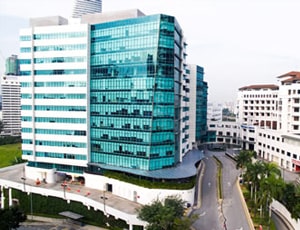
Parkway Pantai
Kuala Lumpur, Malaysia
Parkway Pantai located in Kuala Lumpur, Malaysia is accredited by JCI. Also listed below are some of the most prominent infrastructural details:
- Capacity of 335 beds
- 200+ specialist Doctors
- Critical Care Unit
- Neonatal Intensive Care Unit
- Operating Theatre
- International Patient Care Center
- Types of rooms available- Premier Suite, Supreme Suite, Deluxe Single Room, 2-bedded room, 4-bedded room, Deluxe Suite, Premier Single room, and Supreme Single room

Prince Court Medical Centre
Kuala Lumpur, Malaysia
Prince Court is a private medical facility in the center of Kuala Lumpur that has 277 individual beds. Our dedication is to provide you with the best treatment possible from the time you arrive until you depart, healthier and happier. We are well-known for our top-notch facilities, cutting-edge technology, and friendly customer service.

Ara Damansara Medical Centre
Kuala Lumpur, Malaysia
Situated at the junction of Petaling Jaya and Shah Alam, close to the Oasis Ara, Ara Damansara Medical Centre boasts a serene, luxurious ambiance.
The Centre has been awarded several prestigious awards such as the Global Health Asia Pacific Awards 2023, Newsweek Best Specialized Hospital APAC 2023, Healthcare Asia Awards 2023, and Malaysian Healthcare Wellness Excellence.
Our Services to better your experience
Opinion & Option
We submit the most accurate opinion and options from one or more countries for your review
Consult Privately
Consult with a certified specialist privately on our telemedicine platform even before you decide to travel
Logistics
We handle flights, visas, transfers, and accommodation—so you can focus on your health.
Recovery
Our In-house rehabilitation service packages to better your recovery and treatment outcome
Why Choose Malaysia for Achondroplasia Treatment?
- Multidisciplinary Specialist Care: Access to orthopedic, neurosurgical, pediatric, genetic, and rehabilitation specialists.
- Advanced Diagnostic Facilities: Modern imaging, genetic testing, and clinical assessments help identify and monitor complications.
- Advanced Treatment Options: Eligible patients may have access to growth-modulating therapies and advanced surgical techniques.
- Personalised Treatment Plans: The treatment is tailored to the patient’s age, symptoms, complications, and recovery goals.
- Rehabilitation and Recovery: MediRehab, an integral part of MediGence in Malaysia, offers specialised rehabilitation services to restore joint function and improve quality of life for osteoarthritis patients.
Frequently Asked Questions
Author

Alvina Hasan
Alvina Hasan is a dedicated medical researcher and scientific writer with a strong foundation in pharmaceutical sciences. She holds a B.Pharm from Jamia Hamdard University and an M.Pharm in Quality Assurance from DIPSAR University.
With deep medical expertise and a strong interest in healthcare communication, she focuses on transforming complex clinical and scientific information into clear, engaging, and easy-to-understand narratives. She develops insightful healthcare articles and research-driven content designed to support both medical professionals and patients, helping bridge the gap between advanced medical knowledge and practical understanding.
Readers can explore her published research and articles here:
https://carcinogenesis.com/index.php/JOC/article/view/868
https://carcinogenesis.com/index.php/JOC/article/view/870
View MoreReviewer
Dr. Puneet Mishra
Orthopaedic Surgeon
25 Years of Experience
Known among his patients for treating with compassion and personal care, Dr. Puneet Mishra is one of the best orthopedic surgeons in New Delhi. Dr. Puneet completed his MBBS from Maulana Azad Medical College in 1996 and from the same college he completed his MS (orthopedics) in 2000. With almost 25+ years of surgical experience under him, Dr. Pankaj takes pride in working with some of the finest medical institutions of the world such as University Hospital, Bern, Maulana Azad Medical College, New Delhi, Endoklinik, Germany, and Professor and Consultant orthopedician at Guru Teg Bahadur Hospital, New Delhi. View More
Last Reviewed - January 2026