Your Notifications
All done, no notifications

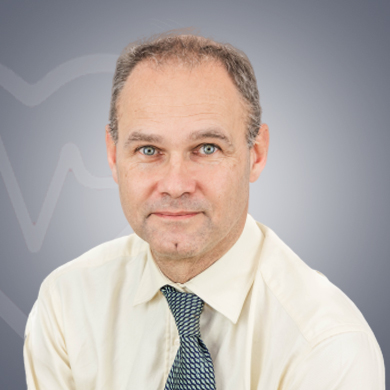
Dr. Simon Stapleton

Neurosurgeon

, London, United Kingdom

42 Years of experience

Speaks: English


Dr. Simon Stapleton is a specialized Neurosurgeon in United Kingdom. And one of the most sought after medical specialists in London, United Kingdom. The doctor has over 21 Years of experience and is associated with Parkside Private Hospital.

Association and Memberships Dr. Simon Stapleton is part of:

  • Royal College of Surgeons

Qualifications :

  • MBBS
  • BSc
  • MD
  • FRCS (Surg Neurol)

Hospital Address :

Parkside Private Hospital, Parkside, London, UK

What is the medical expertise of Dr Simon Stapleton?

  • Dr Simon Stapleton has 21 years of experience as a neurosurgeon. His clinical expertise includes spinal surgery, neuro-oncology, epilepsy surgery, pituitary surgery, slipped discs, sciatica, spinal stenosis and back pain.
  • Dr Stapleton is a member of the Society of British Neurological Surgeons.
  • Over the course of his career, Dr Stapleton has published in many journals. His research works include:
    1. Shtaya A, Iorga R, Hettige S, Bridges LR, Stapleton S, Johnston FG. Paraganglioma of the cauda equina: a tertiary centre experience and scoping review of the current literature. Neurosurg Rev. 2022 Feb;45(1):103-118
    2. Toma AK, Stapleton S, Papadopoulos MC, Kitchen ND, Watkins LD. Natural history of idiopathic normal-pressure hydrocephalus. Neurosurg Rev. 2011 Oct;34(4):433-9.
    3. Tacconi L, Stapleton S, Signorelli F, Thomas DG. Acquired immune deficiency syndrome (AIDS) and cerebral astrocytoma. Clin Neurol Neurosurg. 1996 May;98(2):149-51.
View Profile

Frequently Asked Questions

Do UK hospitals use advanced neurosurgical technology for VP shunt procedures?

Yes. UK neurosurgical centres—both NHS and private—are equipped with advanced technologies for safe and effective ventriculoperitoneal (VP) shunt placement. These include:

  • Neuro-navigation and intraoperative imaging (CT/MRI)
  • Programmable shunt valves for adjustable cerebrospinal fluid (CSF) drainage
  • Endoscopic third ventriculostomy (ETV) as an alternative in select cases
  • Integrated ICP (intracranial pressure) monitoring systems
  • Minimally invasive and paediatric shunt techniques

Top-tier hospitals offer comprehensive management of hydrocephalus with skilled neurosurgical teams.

Do UK neurosurgeons have experience with VP shunt procedures?

Yes. UK neurosurgeons—especially those in specialist centres—perform hundreds of VP shunt surgeries annually. They follow best practices set by:

  • Society of British Neurological Surgeons (SBNS)
  • National Institute for Health and Care Excellence (NICE)
  • British Paediatric Neurosurgical Group (BPNG)

Surgeons are highly trained in the management of adult and paediatric hydrocephalus, shunt revision, and infection management.

What conditions require a VP shunt?

A VP shunt is used to treat hydrocephalus, which is the buildup of excess CSF in the brain. It may be congenital or acquired due to:

  • Normal pressure hydrocephalus (NPH)
  • Post-traumatic or post-infectious hydrocephalus
  • Brain tumours, haemorrhage, or meningitis
  • Congenital malformations (e.g., spina bifida, aqueductal stenosis)

Symptoms may include headaches, balance issues, urinary incontinence, cognitive decline, vomiting, or a bulging fontanelle in infants.

Can VP shunt surgery cure hydrocephalus?

VP shunt surgery can effectively manage hydrocephalus and significantly improve symptoms. It is not a cure, but a long-term solution for CSF drainage. Benefits include:

  • Reduction in intracranial pressure
  • Improvement in cognitive and motor function
  • Restoration of bladder control (in NPH)
  • Prevention of developmental delay in children
  • With regular monitoring, many patients can live full and active lives after surgery.
Is VP shunt surgery available in the UK for international patients?

Yes, the UK is a leading destination for advanced neurosurgery, including VP shunts. International patients receive:

  • Access to world-renowned paediatric and adult neurosurgeons
  • Comprehensive pre-op evaluations, imaging, and lab work
  • Post-op rehabilitation and long-term follow-up coordination
  • Interpreter support and help with travel and visas
  • Private hospitals often offer fast-track surgery packages for overseas patients.
Can I consult with a neurosurgeon online before travelling to the UK?

Yes. Many neurosurgeons offer teleconsultation services for international patients. During these virtual sessions, you can:

  • Share imaging (MRI, CT) and medical records for review
  • Receive a preliminary diagnosis and treatment options
  • Get a full cost estimate and recovery timeline
  • Plan for hospital stay, travel, and post-surgical care
  • Early consultation ensures you are matched with the right facility and team.
What qualifications and experience do UK neurosurgeons have for VP shunt surgery?

UK neurosurgeons typically:

  • Hold FRCS (Neuro.Surg) and are registered with the GMC Specialist Register
  • Train in highly specialised neurosurgical units for paediatric or adult care
  • Have 10–30 years of experience in shunt surgery and related procedures
  • Are members of the SBNS, EANS (European Association of Neurosurgical Societies), and other professional bodies
  • Many participate in shunt research and trials and collaborate with global neurosurgical centres.
How can I verify the credibility of a neurosurgeon in the UK?

You can confirm a neurosurgeon’s reputation and qualifications by:

  • Searching their name on the GMC (General Medical Council) register
  • Reading verified patient reviews and outcome data

MediGence ensure listed neurosurgeons are board-certified and highly reputable.