
Your Notifications
All done, no notifications

2 Specialists

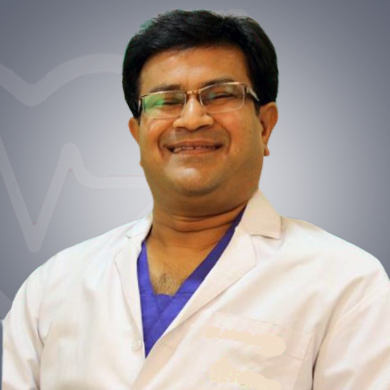
Dr. C M Malhotra

Neurosurgeon

, Delhi, India

47 Years of experience

Speaks: Hindi , English


Dr. C M Malhotra is a specialized Neurosurgeon in India. And one of the most sought after medical specialists in Delhi, India. The doctor has over 25 Years of experience and is associated with Indraprastha Apollo Hospital.

Association and Memberships Dr. C M Malhotra is part of:

  • DMC(Delhi Medical Co)
  • NSI(Neurological Society of India)

Qualifications :

  • MBBS
  • MS (Surgery)
  • KGMC
  • Mch (Neuro Surgery)

Hospital Address :

Indraprastha Apollo Hospitals, Mathura Road, Sarita Vihar, New Delhi, Delhi, India
View Profile
Dr. Ashish Gupta

Neurosurgeon

, Delhi, India

24 Years of experience

Speaks: Hindi , English


Dr Ashish Gupta is one of the leading Spine & Neurosurgeon in New Delhi, India. The medical specialist holds over 23 years of experience and is associated with Fortis Escorts Heart Institute, Okhla.

Association and Memberships Dr. Ashish Gupta is part of:

  • Neurological Society of India (NSI)
  • American Association of Neurological Surgeons (AANS)
  • Congress of Neurological Surgeons (CNS)
  • World Federation of Neurosurgical Societies (WFNS)
  • Chandigarh Neurosurgery Association

Certifications :

  • Fellow Barrows Neurological Institute, Phoenix, U.S.A,
  • American Association of Neurosurgeons
  • Fellow International Medical Sciences Academy.

Qualifications :

  • MBBS
  • DNB
  • MCh
  • MS

Hospital Address :

Fortis Escorts Heart Institute, Okhla Rd, New Friends Colony, New Delhi, Delhi, India

Medical Expertise of Dr. Ashish Gupta

  • Dr. Ashish Gupta’s areas of clinical competencies include Minimal Invasive Brain and Spine Surgery (Key Hole), Micro Neuro & Spine Surgery, Spine Instrumentation & Reconstruction, Neuro-Oncology, Neuro-Vascular Surgery, Pediatric Neurosurgery, Endoscopic Neurosurgery and 24/7 Neuro & Spine Trauma
  • Dr. Ashish Gupta is a Board Certified Neuro and Spine Surgeon who has been doing Minimal Invasive Neuro and Spine Surgeries with excellent outcomes for several years.
  • He has extensive neurosurgery experience and has been a pioneer in the treatment of brain and spine disorders
  • In 2012, Times Research Media named Dr. Gupta the Best Neuro Surgeon in Delhi, and he has been a visiting faculty member at several hospitals, teaching and demonstrating neuro and spine surgical procedures.
  • Dr. Gupta is a Fellow of the American Association of Neurosurgeons and a Fellow of the International Medical Sciences Academy. He is also a Fellow of the Barrows Neurological Institute in Phoenix, Arizona.
  • He is a Diplomate of the National Board and a member of the National Academy of Medical Sciences. He is an active member of NSI, ASSI, DNA, and Delhi Spine Society.
View Profile

Frequently Asked Questions

What should I look for in the best VP Shunt', Doctors?

The most crucial step before commencing a Ventriculoperitoneal shunting(a procedure to treat hydrocephalus that occurs due to accumulation of CSF) is choosing the best neurosurgeon, a pediatric neurosurgeon. Take into account the following aspects when looking for a doctor to ensure thorough and high-quality care:

  • Expertise and Specialization: Before commencing your treatment look for the doctors who specialize in neurosurgery or neurology, as they are likely to have the expertise needed for conditions requiring a VP shunt.
  • Experience with VP Shunts: Always Consider doctors who have a significant amount of experience specifically with VP shunt procedures.
  • Doctor’s approach: You should ask your doctor about their treatment approach. make sure they utilize the latest and most effective medical technology and resources.
  • Qualifications and Credentials: ensure the doctor is board-certified in neurosurgery or neurology. and has the necessary qualifications to perform VP shunting.
  • Patient Reviews: you can review online patient reviews and testimonials from previous patients to gauge the doctor's reputation, patient satisfaction, and the success of Shunting

Additionally, give priority to transparent communication, a patient-centric approach, accessibility, availability, and a multidisciplinary approach when seeking a doctor. Keep these considerations in mind as you begin your search to find the right healthcare professional for your needs.

How can I find the top VP Shunt', Doctors?

To find the top renowned doctor to treat your hydrocephalus. you will need to do some research and ask for referrals.

  • Your primary care doctor, neurologist, or pediatric neurologist can offer valuable advice and refer you to the most suitable specialist based on your needs. Seeking recommendations from them is the best way to find the right doctor.
  • you can Seek recommendations from your friends, family, or colleagues. Personal referrals can provide valuable insights into the reputation and expertise of performing VP Shunts.
  • You can check out our website at https://medigence.com/. They have a list of neurosurgeons or pediatric neurosurgeons, who specialize in performing VP Shunting. Many hospitals offer online referral services that may be of help.
How do I schedule an online consultation with one of the top VP Shunt', Doctors listed here?

To schedule an online consultation with one of the top VP Shunt doctors listed on a specific platform or website, you can follow these easy steps:

  • Visit our website www.medigence.com.
  • Navigate to the online appointment booking page.
  • Find the doctor's profile, and locate the profile of the doctor you’d like to consult for your treatment.
  • Fill out the consultation request form and follow the instructions to submit your details.
What should I expect during the initial consultation with a VP Shunt', Doctor?

During the initial consultation, you will receive a complete overview of your situation and be able to make informed decisions regarding your VP Shunt. When you initially visit your doctor, you should expect the following:

  • Medical History Review: The doctor will begin by asking about your medical history. including information about any existing medical conditions, past surgeries, medications you are taking, and details about the symptoms that led to the consultation.
  • Discussion of Symptoms: the doctor will discuss your symptoms. Common symptoms of hydrocephalus include headaches, nausea, vomiting, changes in vision, and cognitive difficulties.
  • Physical Examination of Veins: A physical examination will be performed to check your neurological status. This may involve testing reflexes, muscle strength, coordination, and other neurological functions.
  • Diagnostic Tests: Based on the symptoms and examination, the doctor may order diagnostic tests such as imaging studies (CT scans or MRI) to visualize the brain and assess the amount of cerebrospinal fluid present.
  • Discussion of Diagnosis: If hydrocephalus is suspected, the doctor will discuss the diagnosis with you and explain the underlying cause of it, whether it's congenital, acquired, or related to another medical condition.
What are the conditions treated by VP Shunt', Doctors?

A ventriculoperitoneal (VP) shunt is primarily used to treat a medical condition called hydrocephalus, which is characterized by the accumulation of cerebrospinal fluid (CSF) in the brain. Hydrocephalus can occur for various reasons, and VP shunts are used to control this excess fluid. following are ailments may be treated with VP shunts:

  • Congenital Hydrocephalus: individuals are born with hydrocephalus, which may be due to structural abnormalities or malformations in the brain that affect the normal flow and absorption of cerebrospinal fluid.
  • Acquired Hydrocephalus: it develops later in life as a result of conditions such as tumors, infections (meningitis or encephalitis), bleeding within the brain (intraventricular hemorrhage), traumatic brain injury, or other disorders that disrupt the normal circulation and absorption of CSF.
  • Normal Pressure Hydrocephalus (NPH): hydrocephalus that typically occurs in older adults. It is characterized by an enlarged ventricle size but with normal CSF pressure.
  • Arachnoid Cysts: Cysts within the brain.