3 Specialists
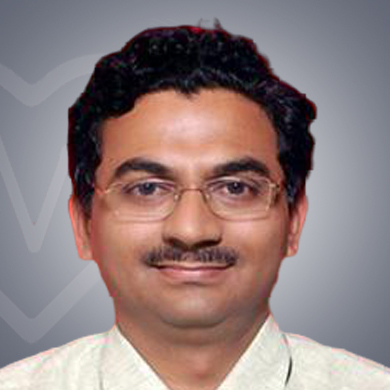
Ophthalmologist
Apollo Spectra Hospital , Pune, India
19 Years of experience
Speaks: Marathi ,Hindi , English
Dr Hemant Todkar is one of the most skillful Opthalmologist in Pune, India. The doctor holds over 15 years of experience and is associated with Ruby Hall Clinic.
Association and Memberships Dr. Hemant Todkar is part of:
- Maharastra Medical Council
Qualifications :
- MBBS
- MS
Hospital Address :
Apollo Spectra Hospitals, Vijayanagar Colony, Sadashiv Peth, Pune, Maharashtra, India
Medical Expertise of Dr. Hemant Todkar
- Dr. Hemant Todkar specializes in Opthalmology
- He is an expert of eyelid surgery
- Dr. Hemant Todkar is a well-known Ophthalmologist/ Eye Surgeon in Pune
- Dr. Hemant Todkar is a reputed member of the Maharashtra Medical Council
- He completed PGDMLS from T N Medical college in 2003,MBBS from University of Pune in 1999 and MS - Ophthalmology from University of Pune in 2003.
- Dr. Hemant has been recognized with many awards including SSC National chemical Laboratory prize for excellence in Basic sciences and Mathematics - 2005 award, Best speaker and Postgraduate student - 2005 award and First rank master of surgery Examination - 2003 award
- He has published many articles in multiple peer reviewed journals
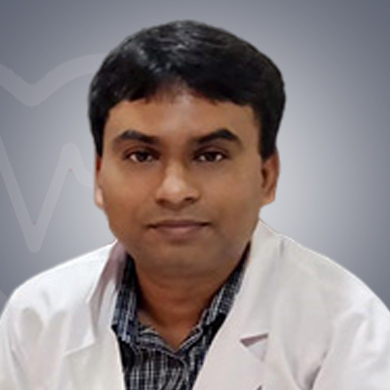
Ophthalmologist
Apollo Spectra Hospital , Pune, India
20 Years of experience
Speaks: Hindi , English
Dr Mayur Jawale is one of the foremost Opthalmologist in Pune, India. The doctor holds over 16 years of experience and is associated with Apollo Spectra Hospital.
Association and Memberships Dr. Mayur Jawale is part of:
- Indian Medical Association (IMA)
Qualifications :
- MBBS
- MS
Hospital Address :
Apollo Spectra Hospitals, Vijayanagar Colony, Sadashiv Peth, Pune, Maharashtra, India
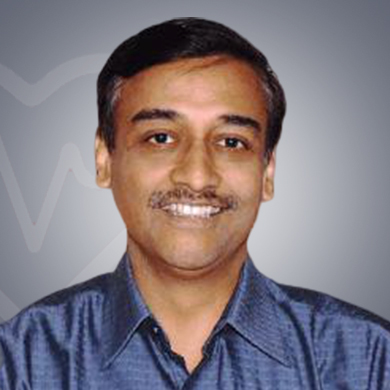
Dr Santosh Bhide is one of the most skillful Opthalmologist in Pune, India. The clinician holds over 25 years of experience and is associated with Ruby Hall Clinic.
Association and Memberships Dr. Santosh Bhide is part of:
- Maharashtra Ophthalmological Society
- All India Ophthalmological Society
- Medical Council of India (MCI)
Qualifications :
- MBBS - B J Medical College, Pune, 1990
- DNB - Ophthalmology - B J Medical College, Pune, 1991
- MS - Ophthalmology - B J Medical College, Pune, 1996
Hospital Address :
Ruby Hall Clinic, Sassoon Road, Sangamvadi, Pune, Maharashtra, India
Do you know?
Using MediGence’s Telemedicine Platform, you can book a personalized video consultation with renowned doctors around the world

How it Works
- Choose the doctor/doctor type
- Book a Slot based on availability
- Fill in your personal details (Name, Phone Number, Symptoms)
- Make online payment via payment gateway
- Our patient care team will assist you in getting in touch with the doctor in the meeting room
What do we recommend?
Please make sure to see your doctor using Telemedicine before you even board a flight