Your Notifications
All done, no notifications

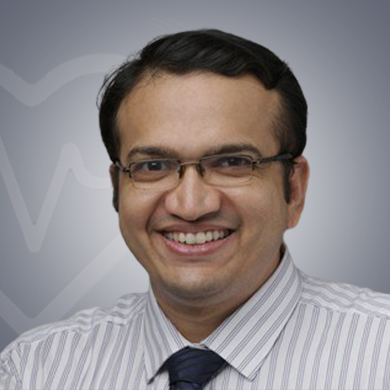
Dr. Kishore T A

Urologist

, Kochi, India

27 Years of experience

Speaks: English ,Hindi


Dr Kishore T A is one of the most skillful Urologist & Robotic Surgeon in Kochi, India. The doctor holds over 15 years of experience and is associated with Aster Medicity.

Association and Memberships Dr. Kishore T A is part of:

  • International Journal of Urology and Nephrology
  • Asian Network for Scientific Information
  • Open Urology and Nephrology Journal
  • Open Prostate Cancer Journal

Certifications :

  • Fellowship in Robotic Surgery (Columbia University Division Of Urology, Miami, United States

Qualifications :

  • MBBS
  • MS
  • MCh

Hospital Address :

Aster Medcity Hospital, South Chittoor, Kochi, Kerala, India

View Profile

Frequently Asked Questions

What should I look for in the best Trans Urethral Resection of Prostrate (TURP)', Doctors?

TURP(Trans Urethral Resection of Prostrate) surgery is a significant decision, and having a skilled and compassionate doctor can contribute to a smoother and more successful Experience. Choosing the best Trans Urethral Resection of the Prostate (TURP) doctor is crucial for a successful and safe procedure. Here are some factors to consider when looking for the best TURP doctor:

Qualifications and Credentials: The first thing to consider is whether the doctor is board-certified in urology or a related field.

Specialization: Another factor to take into account is the specialization of the doctor in Urology specifically in TURP.

Access to advanced technology: Consider doctors who incorporate the latest advancements in medical technology for treatment. State-of-the-art equipment and innovative techniques can contribute to more precise and effective procedures.

Experience and Expertise: Consider a Urologist or surgeon who specializes in prostate cancer.

Additionally, give priority to transparent communication, a patient-centric approach, accessibility, availability, and a multidisciplinary approach when seeking a doctor. Keep these considerations in mind as you begin your search to find the right healthcare professional for your needs.

How can I find the top Trans Urethral Resection of Prostrate (TURP)', Doctors?

Finding the best Urologist for performing TURP surgery requires extensive research and determination. The following strategic steps can help you locate and select elite experts in this particular field:

  • Consult with Healthcare Professionals: These individuals can provide you with important information about reputable specialists who specialize in TURP surgery. Consult with them to start your search.
  • Online research: Before starting treatment, look up reliable websites and reviews to learn as much as you can about the doctors using real patient testimonials.
  • Seek Advice: Make the most of referrals from loved ones, peers, or online groups who have had success with TURP surgery. Personal recommendations can provide insightful information.
  • Explore Medigence: For a carefully compiled list of urologists who specialize in TURP surgery, visit websites like https://medigence.com.
How do I schedule an online consultation with one of the top Trans Urethral Resection of Prostrate (TURP)', Doctors listed here?

Scheduling an online consultation with a top TURF specialist is straightforward and user-friendly. Just follow these simple steps:

  • Visit our website atwww.medigence.com.
  • Go to the online appointment booking page.
  • Explore the profiles of the available doctors and select the one you wish to consult.
  • Complete the consultation request form and follow the provided instructions to submit your details.
  • Our team will promptly assist you in arranging a convenient virtual consultation with one of our highly esteemed doctors. During this session, you can discuss your treatment options and address any concerns you may have.
  • It's that easy! We strive to make the process seamless and accessible for your medical needs.
What should I expect during the initial consultation with a Trans Urethral Resection of Prostrate (TURP)', Doctors?

The initial consultation with a Urologist performing TURF is an essential step in the process of evaluating your condition and determining the most appropriate course of action. following are what you can generally expect during this consultation:

Medical History Discussion: The doctor will begin by asking about your medical history, including any existing health conditions, medications you are currently taking, and previous surgeries or treatments.

Symptom Evaluation: The doctor will discuss the specific symptoms you are experiencing related to your prostate, such as difficulty urinating, frequent urination, or blood in the urine. The doctor will inquire about the duration and severity of these symptoms.

Physical Examination: A thorough physical examination, including a digital rectal exam (DRE), may be performed to assess the size, shape, and consistency of your prostate. Diagnostic Tests: The doctor may order additional tests, such as a prostate-specific antigen (PSA) blood test or imaging studies (e.g., ultrasound), to gather more information about your prostate health.

Discussion of Treatment Options: The doctor will explain the TURP procedure, including its purpose, potential benefits, and associated risks. They may also discuss alternative treatment options, if applicable.

Q&A Session: You'll have the opportunity to ask questions about the TURP procedure, the recovery process, potential side effects, and any concerns you may have. Risks and Complications: The doctor will inform you about potential risks and complications associated with TURP, allowing you to make an informed decision about the procedure.

What are the conditions treated by Trans Urethral Resection of Prostrate (TURP)', Doctors?

Transurethral Resection of the Prostate (TURP) is an effective surgical procedure performed by urologists to treat benign prostatic hyperplasia (BPH), a non-cancerous enlargement of the prostate gland. Doctors that use TURP also treat the following conditions:

  • Urinary Retention
  • Recurrent Urinary Tract Infections (UTIs)
  • Bladder Stones
  • Prostate-Related Obstruction
  • Prostate-related Hematospermia
  • Lower Urinary Tract Symptoms (LUTS)