
Your Notifications
All done, no notifications

2 Specialists

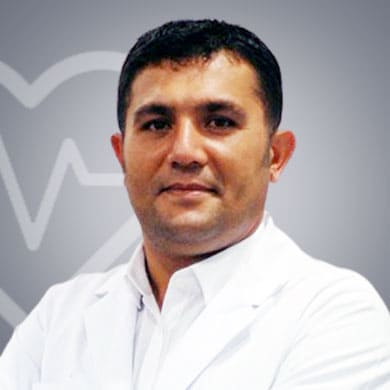
Dr. Seckin Kacamak

Laparoscopic Surgeon

, Istanbul, Turkey

26 Years of experience

Speaks: Turkish , English


Dr. Seckin Kacamak is a specialized General Laparoscopic Surgeon in Turkey. And one of the most sought after medical specialists in istanbul, Turkey. The doctor has over 20 Years of experience and is associated with Medicana Camlica Hospital.

Qualifications :

  • Istanbul Medical School 1986
  • Universite Claude Bernard Lyon 1 France - General Surgery
  • University Jean Monnet St-Etienne France - Laparoscopic Surgery
  • Istanbul Medical School - General Surgery 1995

Hospital Address :

K?s?kl? Mahallesi, MEDICANA aml?ca Hospital, skdar/Istanbul, Turkey
View Profile
Dr. Ahmet Denizli

Laparoscopic Surgeon

, Istanbul, Turkey

30 Years of experience

Speaks: Turkish , English


Dr. Ahmet Denizli is a specialized General Laparoscopic Surgeon in Turkey. And one of the most sought after medical specialists in Istanbul, Turkey. The doctor has over 19 Years of experience and is associated with Medicana Camlica Hospital.

Qualifications :

  • Ege University Faculty of Medicine, 1994
  • Ege University Faculty of Medicine, Department of General Surgery, 2001

Hospital Address :

K?s?kl? Mahallesi, MEDICANA aml?ca Hospital, skdar/Istanbul, Turkey

View Profile

Frequently Asked Questions

What should I look for in the best Rectal Polyp Removal', Doctors?

The first step to take before beginning a Rectal polyp removal surgery is to select the best-renowned doctor, When looking for a doctor, consider the following factors to ensure comprehensive and top-notch care:

  • Specialization: Always Choose a doctor who specializes in colorectal surgery or gastroenterology.
  • Qualification and Board Certification: Seek for the doctors who are board-certified in colorectal surgery or gastroenterology.
  • Experience and Expertise: Consider the doctors with extensive experience in performing rectal polyp removal procedures.
  • Advanced Techniques: Inquire about the use of advanced techniques for polyp removal, such as minimally invasive procedures, endoscopic techniques, or robotic-assisted surgery.
  • Access to Technology and Facilities: Verify that the doctor has access to modern technology and the latest equipment for diagnostics, imaging, and surgical interventions.

Additionally, prioritize transparent communication, availability, accessibility, and a patient-centric approach when seeking a doctor. Keep these considerations in mind as you embark on the journey to find the right healthcare professional for your needs.

How can I find the top Rectal Polyp Removal', Doctors?

To find the top colorectal surgeon or a gastroenterologist for treating your rectal polyp. you will need to do some research and ask for referrals.

  • It is best to seek recommendations from your primary care physician or Gastroenterologist, who can guide you in finding the best doctor according to your requirements and provide you with a referral.
  • Seek recommendations from your friends, family, or colleagues. Personal referrals can provide valuable insights into the reputation and expertise of removing rectal polyps.
  • You can check out our website at https://medigence.com/. They have a list of gastroenterologists or colorectal surgeons, who specialize in performing the removal of polyps. Many hospitals offer online referral services that may be of help.
How do I schedule an online consultation with one of the top Rectal Polyp Removal', Doctors listed here?

To schedule an online consultation with one of the top Gastroenterologist listed on a specific platform or website, you can follow these easy steps:

  • Visit our website www.medigence.com.
  • Navigate to the online appointment booking page.
  • Find the doctor's profile, and locate the profile of the doctor you’d like to consult for your rectal polyp surgery.
  • Fill out the consultation request form and follow the instructions to submit your details.
What should I expect during the initial consultation with a Rectal Polyp Removal', Doctor?

Your first meeting with the gastroenterologist is a collaboration. Attending this session is vital for fully grasping your situation and deciding on the best approach for your rectal polyp surgery. In this initial consultation, here's what you can anticipate.

  • Medical History Review: The doctor will begin by reviewing your medical history, including any relevant information about your overall health, previous surgeries, medications, and any symptoms related to rectal issues.
  • Discussion of Symptoms: You'll have the opportunity to discuss any symptoms you may be suffering, such as rectal bleeding, changes in bowel habits, or abdominal discomfort.
  • Physical Examination: To evaluate the rectum and adjacent areas, a physical examination may be performed, which may include a digital rectal examination (DRE). This enables the doctor to determine whether polyps or other anomalies are present.
  • Diagnostic Imaging: The doctor may recommend Imaging studies, such as X-rays, CT scans, or MRI, to get a detailed view of the bones and joints.
  • Discussion of the Treatment Options: Based on the diagnosis the doctor will discuss your symptoms, and will explain the available treatment options for rectal polyp removal. This may include endoscopic procedures (colonoscopy or sigmoidoscopy) for smaller polyps or surgical interventions for larger or more complex polyps.
  • Risks and Benefits: You will be informed about the potential risks and benefits associated with the recommended procedure, as well as alternative treatment approaches.
What are the conditions treated by Rectal Polyp Removal', Doctors?

Rectal polyp removal doctors, often called colorectal surgeons or gastroenterologists, specialize in treating conditions related to the rectum, including the removal of rectal polyps. Conditions treated by doctors performing rectal polyp removal include:

  • Colorectal Polyps: In addition to rectal polyps, doctors may also treat polyps that develop in other parts of the colon or rectum.
  • Hyperplastic Polyps: Hyperplastic polyps are usually benign, but they can sometimes be associated with an increased risk of colorectal cancer. its removal may be recommended depending on its characteristics
  • Juvenile Polyps: they are noncancerous growths that can occur in the rectum or colon, frequently in children. if it becomes symptomatic or complicated it is important to remove it.
  • Hereditary Polyposis Syndromes: Doctors may be involved in the treatment of individuals with hereditary polyposis syndromes, including familial adenomatous polyposis (FAP) or Lynch syndrome, which predispose individuals to develop multiple polyps.
  • Inflammatory Polyps: They are developed in response to inflammation in the rectum or colon. They are frequently associated with conditions such as inflammatory bowel disease (IBD).