Your Notifications
All done, no notifications

2 Specialists

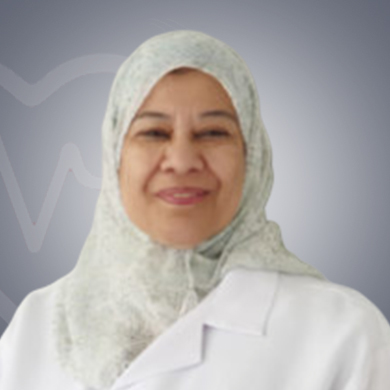
Dr. Nadia Sanhoury

Obstetrics & Gynaecologist

, Al Khobar, Saudi Arabia

40 Years of experience

Speaks: Arabic ,English


Dr. Nadia Sanhoury is a specialized Gynecologist Laproscopic Surgeon in Saudi Arabia. And one of the most sought after medical specialists in Al Khobar, Saudi Arabia. The doctor has over 40 Years of experience and is associated with NMC As Salama Hospital.

Qualifications :

  • Master degree of Obstetrics and Gynaecology

Hospital Address :

NMC As-Salama Hospital, 2nd Street, Khobar Saudi Arabia
View Profile
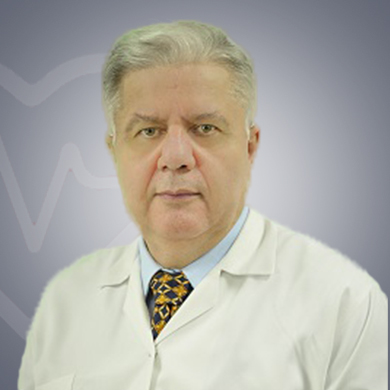
Dr. Taqi Qatu

Obstetrics & Gynaecologist

, Al Khobar, Saudi Arabia

31 Years of experience

Speaks: Arabic , English


Dr. Taqi Qatu is a specialized Gynecologist in Saudi Arabia. And one of the most sought after medical specialists in Al Khobar, Saudi Arabia. The doctor has over 31 Years of experience and is associated with NMC As Salama Hospital.

Qualifications :

  • Master degree of Obstetrics and Gynaecology

Hospital Address :

NMC As-Salama Hospital, 2nd Street, Khobar Saudi Arabia

View Profile

Frequently Asked Questions

What should I look for in the best Polycystic Ovarian Syndrome (PCOS) Treatment ', Doctors?

PCOS treatment is a significant decision, and having a skilled and compassionate doctor can contribute to a smoother and more successful Experience. When searching for the best doctor to treat a patient suffering from PCOS, consider the following factors to ensure extensive and high-quality care:

Qualifications and Credentials: The first thing to consider is the doctor's board certified in reproductive endocrinology, gynecology, or a related field.

Specialization in Reproductive Endocrinology or Gynecology: The first factor is to Look for doctors who specialize in reproductive endocrinology or gynecology, as they have expertise in managing hormonal disorders such as PCOS.

Experience: Always consider the doctor’s experience in diagnosing and treating PCOS.

Diagnostic Expertise: A good PCOS doctor should have expertise in accurately diagnosing PCOS through a combination of clinical evaluation, medical history review, and appropriate diagnostic tests.

Treatment Options: The doctor should discuss various treatment options for PCOS, ranging from lifestyle modifications to medications and fertility treatments if needed.

How can I find the top Polycystic Ovarian Syndrome (PCOS) Treatment ', Doctors?

To find the top gynecologist for treating PCOS, consider the following easy steps:

  • Consult Your Primary Physician: Start by seeking advice from your primary care doctor for trusted recommendations.
  • Online research: before commencing your treatment always explore reputable platforms and reviews to know the best facelift doctors based on patients' feedback.
  • Ask for Recommendations: you can Seek recommendations from friends, family, or online groups who have had positive experiences with PCOS treatment.
  • You can check our websites at https://medigence.com/. They have a list of those who specialize in performing the treatment of PCOS. Many hospitals offer online referral services that may be of help.
How do I schedule an online consultation with one of the top Polycystic Ovarian Syndrome (PCOS) Treatment ', Doctors listed here?

Scheduling an online consultation with one of the best doctors for PCOS treatment is simple and convenient. Follow these easy steps:

  • Visit our website. You can also conveniently book an appointment through www.medigence.com.
  • Navigate to the online appointment booking page.
  • Find the doctor's profile, and locate the profile of the doctor you’d like to consult.
  • To provide your information, kindly complete the consultation request form and adhere to the outlined instructions.
  • Subsequently, our staff will assist you in arranging a convenient online consultation to discuss potential treatment options with one of our respected doctors.
What should I expect during the initial consultation with a Polycystic Ovarian Syndrome (PCOS) Treatment ', Doctor?

During the initial consultation with a doctor specializing in Polycystic Ovarian Syndrome (PCOS) treatment, you can expect a thorough assessment of your medical history, symptoms, and overall health. Here's what you can anticipate during the consultation:

Medical History Review: The first thing will be reviewing your medical history, including details about your menstrual cycles, hormonal fluctuations, symptoms related to PCOS, and any previous attempts at treatment.

Symptom Discussion: A detailed discussion about the symptoms that you are facing, such as irregular periods, acne, hirsutism (excessive hair growth), weight gain, or fertility concerns. The doctor may ask about the severity and duration of these symptoms.

Physical Examination: A physical examination may be conducted to assess any visible signs of PCOS, such as acne, hirsutism, or abdominal tenderness. The doctor may also check your blood pressure, and BMI (Body Mass Index), and perform a pelvic exam if needed.

Diagnostic Tests: Based on the initial assessment, the doctor may recommend diagnostic tests to confirm the diagnosis and evaluate the severity of PCOS. Common tests include hormonal blood tests (for androgens and insulin), ultrasound imaging to assess the ovaries, and glucose tolerance tests.

Explanation of PCOS: The doctor will explain PCOS, discussing its underlying hormonal imbalances, potential causes, and how it manifests in different individuals. This information helps you understand the condition and its implications for your health.

What are the conditions treated by Polycystic Ovarian Syndrome (PCOS) Treatment ', Doctors?

Polycystic Ovarian Syndrome (PCOS) is a common hormonal disorder that affects people with ovaries.it is treated by a gynecologist or reproductive endocrinologist. other conditions treated by PCOS treatment doctors are as follows:

  • Menstrual Irregularities
  • Hyperandrogenism
  • Insulin Resistance and Type 2 Diabetes Prevention
  • Metabolic Syndrome
  • Endometrial Hyperplasia and Cancer Prevention
  • Metabolic Syndrome