2 Specialists
Cardiologist
Centro Medico Teknon , Barcelona, Spain
20 Years of experience
Speaks: Spanish , English
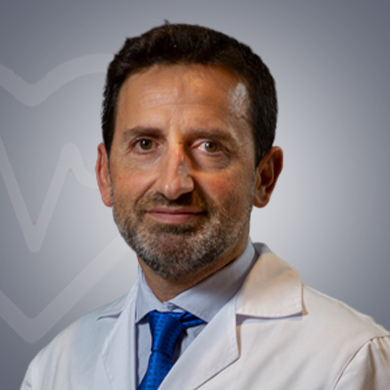
Dr. Antonio Berruezo is a specialized Interventional Cardiologist in Spain. And one of the most sought after medical specialists in Barcelona, Spain. The doctor has over 20 Years of experience and is associated with Centro Medico Teknon.
Association and Memberships Dr. Antonio Berruezo is part of:
- Dr. Berruezo is currently a member of the small group of specialists in charge of writing cardiac arrhythmia treatment guidelines for American, European and Asian scientific societies.
Qualifications :
- MD
- PhD
Hospital Address :
Centro M
Medical Expertise of Dr. Antonio Berruezo
- Dr. Antonio Berruezo is well known for his work in the areas of sudden death prevention and treatment, as well as pacemaker and defibrillator implantation.
- Dr. Berruezo is one of Europe's most experienced arrhythmia specialists in cardiac arrhythmia interventional treatment.
- At Teknon Medical Centre, he is presently working as an arrhythmia specialist.
- He has served at Barcelona Hospital Clinic for 15 years, heading and coordinating the Ventricular Arrhythmia Unit's research and scientific activities.
- Dr. Berruezo is a member of a select group of experts in charge of creating cardiac arrhythmia treatment guidelines for scientific societies in the United States, Europe, and Asia.
- He teaches ablation treatment procedures and arrhythmia, which causes sudden death, at worldwide conferences.
- He has published over 200 research papers in the world's most prominent publications.
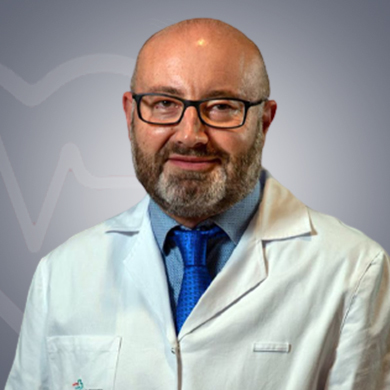
Dr. Juli Carballo Garrido is a specialized Interventional Cardiologist in Spain. And one of the most sought after medical specialists in Barcelona, Spain. The doctor has over 20 Years of experience and is associated with Centro Medico Teknon.
Association and Memberships Dr. Juli Carballo Garrido is part of:
- Member of the Spanish Society of Cardiology.
- Member of the European Society of Cardiology.
Qualifications :
- Degree in Medicine and Surgery from the Autonomous University of Barcelona in 1993.
- Specialization program in Cardiology in the cardiology service of the General Hospital of the Vall d Hebron being a Resident Internal Physician during the years 1994-1998.
Hospital Address :
Centro M
Medical Expertise of Dr. Juli Carballo Garrido
- The medical expertise of Dr. Juli Carballo Garrido are in diagnostic cardiac catheterisation, coronary angioplasty with stent insertion, percutaneous treatment for structural heart diseases such as ASD/VSD closure, percutaneous aortic valve replacement, etc.
- He is Teknon Medical Center's Chief of Cardiology and is a member of the European Society of Cardiology.
- Dr. Juli Carballo Garrido is an accredited and reaccredited interventional cardiologist by the Section of Hemodynamics and Interventional Cardiology of the Spanish Society of Cardiology.
- He has been a participant in 1,200 plus annual diagnostic/therapeutic procedures in the field of Hemodynamics and Interventional Cardiology, both in coronary and structural heart disease, through a span of 2 decades.
- He has contributed to over 40 national and international congress presentations, as well as twenty articles in national and international journals in the field of cardiology.
How it Works
- Choose the doctor/doctor type
- Book a Slot based on availability
- Fill in your personal details (Name, Phone Number, Symptoms)
- Make online payment via payment gateway
- Our patient care team will assist you in getting in touch with the doctor in the meeting room
What do we recommend?
Please make sure to see your doctor using Telemedicine before you even board a flight