78 Specialists
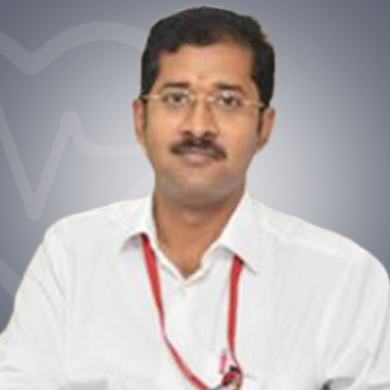
Dr. S Gouthaman
Sri Ramachandra Medical Centre, India, Chennai
Surgical Oncologist • 16 years experience
Tamil EnglishDr S Gouthaman is one of the best Surgical Oncologist in Chennai, India. The doctor holds over 20 years of experience and is associated with Sri Ramachandra Medical Centre .
Association and Memberships Dr. S Gouthaman is part of:
- Member Of Royal College Of Surgeons Of Edinburgh, United Kingdom
Qualifications :
- MBBS
- MS
- DNB
- MRCS (UK)
- MCh (Surgical oncology)
Hospital Address :
Sri Ramachandra Medical Centre, Sri Ramachandra Nagar, Porur, Chennai, Tamil Nadu, India

Dr. Shubham Garg
Max Super Speciality Hospital, Patparganj, India, Delhi
Surgical Oncologist • 14 years experience
Hindi English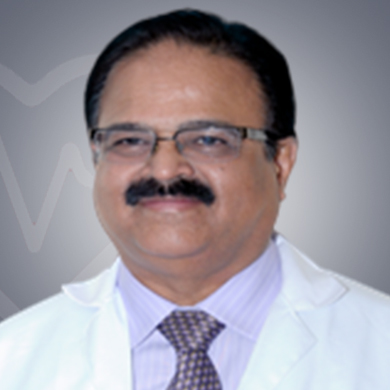
Dr. M Chandrashekar
Apollo Hospitals Bannerghatta, India, Bangalore
Surgical Oncologist • 35 years experience
Kannada EnglishDr M Chandrashekar is one of the foremost Surgical Oncologist in Bengaluru, India. The medical specialist holds over 35 years of experience and is associated with Apollo Hospitals Bannerghatta.
Association and Memberships Dr. M Chandrashekar is part of:
- Association of Surgeons of India
- Indian Society of Oncology India
- Indian Medical Association
- International college of Surgeons
- Bangalore Oncology Group
Qualifications :
- MS
- MBBS
Hospital Address :
Apollo Hospitals Bannerghatta Road - Best Hospital in bangalore, Krishnaraju Layout, Amalodbhavi Nagar, Panduranga Nagar, Bengaluru, Karnataka, India
Medical Expertise of Dr. M Chandrashekar
- Medical expertise in treatment of Lung Cancer, Meningiomas, Prostate Cancer, Breast Cancer, Skin Cancer, and Mixed Gliomas etc.
- Specialises in Gastrointestinal, thoracic, gynaecological, head and neck, urogenital, bone, and soft tissue sarcomas.
- Past experiences: Assistant Professor, Surgical Oncology, Kidwai Memorial Institute of Oncology and Lecturer, Surgical Oncology, Kidwai Memorial Institute of Oncology.
- Member of ASI, ISOI, IMA, ICS, and Bangalore Oncology Group.
- He is credited with a number of research papers and publications.
- Dr. Chandrashekar has completed MBBS, MS(General Surgery), and FICS.
- Dr. Chandrashekar is a Senior Surgical Oncologist with over three decades of experience in the treatment of solid tumors.
Do you know?
Using MediGence’s Telemedicine Platform, you can book a personalized video consultation with renowned doctors around the world

How it Works
- Choose the doctor/doctor type
- Book a Slot based on availability
- Fill in your personal details (Name, Phone Number, Symptoms)
- Make online payment via payment gateway
- Our patient care team will assist you in getting in touch with the doctor in the meeting room
What do we recommend?
Please make sure to see your doctor using Telemedicine before you even board a flight
