Online Consultation For Hip Dysplasia Treatment Doctors in Delhi
Featured Doctor

Dr. Laljee
Orthopedic Surgeon
Batra Hospital , Delhi, India
30 Years of experience
Speaks: Hindi, English
USD 44 USD 35 for video consultation
Orthopedic Surgeon
Batra Hospital , Delhi, India
30 Years of experience
Speaks: Hindi, English
USD 44 USD 35 for video consultation

Orthopedic Surgeon
Batra Hospital , Delhi, India
38 Years of experience
Speaks: Hindi, English
USD 44 USD 35 for video consultation

Orthopedic Surgeon
Batra Hospital , Delhi, India
28 Years of experience
Speaks: Hindi, English
USD 44 USD 35 for video consultation

Pediatric Orthopedics
Max Super Specialty Hospital, Shalimar Bagh , Delhi, India
10 Years of experience
Speaks: English
USD 38 USD 32 for video consultation
Using MediGence’s Telemedicine Platform, you can book a personalized video consultation with renowned doctors around the world


Orthopedic Surgeon
Batra Hospital , Delhi, India
28 Years of experience
Speaks: Hindi, English
USD 44 USD 35 for video consultation

Orthopedic Surgeon
Batra Hospital , Delhi, India
22 Years of experience
Speaks: Hindi, English
USD 44 USD 35 for video consultation
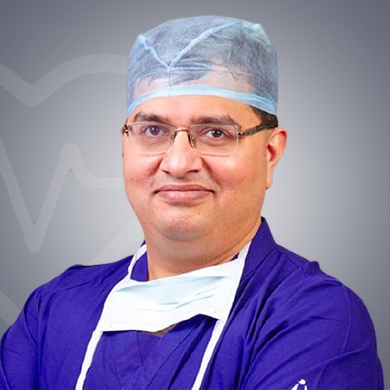
Bone and Joint Specialist
Fortis Memorial Research Institute , Gurgaon, India
28 Years of experience
Speaks: Hindi , English
Dr Manoj Padman is one of the foremost Orthopedic Surgeon in New Delhi, India. The doctor holds over 20 years of experience and is associated with Manipal Hospital, Dwarka.
Association and Memberships Dr. Manoj Padman is part of:
Certifications :
Qualifications :
Hospital Address :
Manipal Hospital Dwarka, Palam Vihar, Sector 6 Dwarka, Dwarka, New Delhi, Delhi, India
Medical Expertise of Dr. Manoj Padman
Please make sure to see your doctor using Telemedicine before you even board a flight
When looking for the top renowned doctors for hip dysplasia treatment, it's essential to consider several factors to ensure comprehensive and effective care. Following are the key aspects to look for in the best Hip Dysplasia Treatment doctors:
Orthopedic Expertise: Always look for doctors who specialize in orthopedics, particularly those with expertise in hip disorders and joint conditions. Orthopedic surgeons with a focus on hip dysplasia are well-equipped to provide specialized care.
Subspecialty in Hip Preservation: You can alsoConsider doctors who have a subspecialty in hip preservation. This indicates a specific focus on preserving and treating hip joint function, which is particularly important in hip dysplasia cases.
Experience with Hip Arthroscopy: Hip arthroscopy is a minimally invasive surgical technique used in the treatment of hip dysplasia. Look for doctors with experience and proficiency in hip arthroscopy procedures.
Board Certification: Make sure that the doctor is board-certified in orthopedic surgery. it indicates that the doctor has met rigorous standards and has the necessary skills for treating orthopedic conditions, including hip dysplasia.
Apart from these factors, you can consider advanced treatment options along with a multidisciplinary role are very important. Keep all these things in mind before finding the right doctor.
Finding the top Hip dysplasia treatment doctors requires thorough research and consideration. Here are several steps to assist you in identifying and choosing the best professionals in the field:
Scheduling an online consultation with a top Orthopedic doctor is straightforward and user-friendly. Just follow these simple steps:
Initial consultation with a Hip Dysplasia Treatment doctor is very important, you can expect a comprehensive evaluation of your medical history, a physical examination, and a discussion about your symptoms and treatment options. Here's what you might experience during the initial consultation:
Patient History: The first thing the doctor will do is to take a detailed patient history. They will ask about your symptoms, including pain, discomfort, mobility issues, and any relevant factors that may contribute to hip dysplasia. Information about past injuries, surgeries, and family history may also be discussed.
Symptom Assessment: The doctor will inquire about the nature, location, and severity of your hip pain or discomfort. They will also explore any factors that exacerbate or alleviate your symptoms. This information helps in understanding the specific challenges you are facing.
Physical Examination: A thorough physical examination of the hip joint and surrounding structures will be conducted. The doctor will assess the range of motion, stability, and any signs of hip dysplasia or related conditions. The examination may include specific maneuvers to evaluate joint function.
Imaging Studies: In many cases, imaging studies may be ordered to visualize the hip joint more clearly. X-rays, CT scans, or MRI scans can provide detailed information about the hip's anatomy, including the shape of the hip socket and the condition of the joint surfaces.
Diagnosis Discussion: Your doctor will discuss their preliminary diagnosis based on the information gathered from the history, physical examination, and imaging studies. If hip dysplasia is suspected, the doctor may explain the specific issues observed in the hip joint.
Treatment Options: The doctor will also discuss potential treatment options based on the diagnosis. Treatment approaches may include both non-surgical and surgical interventions. Non-surgical options may involve physical therapy, medications, and lifestyle modifications, while surgical options may include procedures like hip arthroscopy or periacetabular osteotomy (PAO).
Risks and Benefits: The doctor will provide information about the potential risks and benefits of various treatment options. This discussion helps you make informed decisions about your care.
Customized Treatment Plan: Based on the diagnosis and your circumstances, the doctor will work with you to develop a customized treatment plan.
The following conditions are addressed by the Hip dysplasia Doctors: