
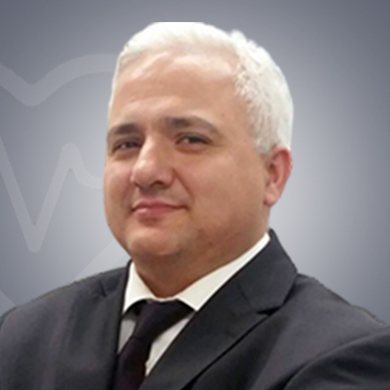
Neurosurgeon
NPISTANBUL Brain Hospital , Istanbul, Turkey
23 Years of experience
Speaks: Turkish
USD 264 USD 220 for video consultation
Please make sure to see your doctor using Telemedicine before you even board a flight
Yes, hospitals in Turkey are equipped with state-of-the-art neurosurgical tools for External Ventricular Drainage (EVD) procedures. To ensure both precision and safety during these operations, these facilities utilise sterile catheter systems, real-time intraoperative imaging, and advanced neuro-navigation technologies.
Yes, neurosurgeons in Turkey are highly skilled in the implantation and upkeep of external ventricular drains. Many of these professionals excel in both elective and emergency EVD procedures for various conditions, including hydrocephalus, traumatic brain injuries, and cerebral haemorrhages. They have honed their skills at top medical institutions in Europe, North America, and other parts of the world. Thanks to their experience in both pediatric and adult neurosurgery, they are well-equipped to manage complex EVD cases.
Yes, Hospitals in Turkey feature specialised departments for international patients.They offer complete assistance, which includes:
To ensure a seamless and trouble-free experience for international patients seeking neurological care in Turkey, healthcare facilitation platforms like MediGence also offer packaged care packages.
Yes, there are numerous choices for online consultations! You can book virtual meetings with some of the best neurosurgeons in Turkey using sites like MediGence. To assist you in making informed decisions before your visit, these platforms provide authentic patient reviews, comprehensive surgeon profiles, and even video introductions to help you get acquainted.
Neurosurgeons working in Turkey often hold advanced fellowships in neurosurgery or neurocritical care and possess board certifications from Europe, the United States, or Canada. Numerous people belong to prominent organisations like:
To make sure a neurosurgeon is appropriately qualified, you should:
The specific disease influences the recovery process; however, most patients are typically observed in the intensive care unit for a few days post-treatment. Depending on whether CSF fluid drainage is necessary, the external ventricular drain (EVD) might be kept in place for three to fourteen days after the patient stabilises. Follow-up care during the typical seven to ten-day hospital stay includes neuroimaging and the possibility of transferring to rehabilitation or outpatient neurology services.
External Ventricular Drainage (EVD) is often utilised as a temporary solution for issues related to cerebrospinal fluid (CSF) flow or acute intracranial hypertension. However, if the underlying cause is chronic, patients may require a ventriculoperitoneal (VP) shunt or another permanent CSF diversion device. To ensure the effectiveness of EVD, it's crucial to have infection control measures in place, prompt management, and vigilant monitoring by a dedicated neurocritical care team.