Your Notifications
All done, no notifications

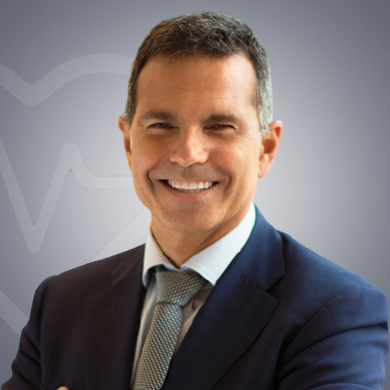
Dr. Xavier Ruyra Baliarda

Cardiac enterologist

, Barcelona, Spain

30 Years of experience

Speaks: Spanish , English


Dr. Xavier Ruyra Baliarda is a specialized Cardiac Surgeon in Spain. And one of the most sought after medical specialists in Barcelona, Spain. The doctor has over 30 Years of experience and is associated with Centro Medico Teknon.

Association and Memberships Dr. Xavier Ruyra Baliarda is part of:

  • Member of the Spanish Society of Cardiac Surgery.
  • Member of the European Board of Cardio-Thoracic Surgery and the European Society of Cardio-Thoracic Surgery.
  • Spokesperson of the Catalan Organisation of Transplantation (OCATT).
  • Associate Professor of Surgery at Autonomous University of Barcelona.

Certifications :

  • European Board of Thoracic and Cardiovascular Surgery (European Council of Thoracic and Cardiovascular Surgery (2001).
  • Training in Cardiovascular Thoracoscopy Advanced Level. Minimally Invasive Center, ?ceres (1997).
  • Educational Course on Total Arterial Myocardial Revascularization, Instituto di Clinica Cardiovasculare, Chieti (Italy) (1997).
  • Cours superieur de Technique Chirurgicale (Advanced Course in Surgical Technique), University of Paris, Hopital Broussais (1997).

Qualifications :

  • Bachelor of Medicine and Surgery with an Excellent rating from the University of Barcelona (1989).
  • Cardiovascular Surgery Specialist from the University of Barcelona (1995).

Hospital Address :

Centro M

Medical Expertise of Dr. Xavier Ruyra Baliarda

  • Dr. Xavier Ruyra Baliarda is an eminence of Cardiac thoracic & vascular surgery.
  • He specialises in minimally invasive cardiac surgery, as well as mitral regurgitation, aortic root surgery, MVR, bloodless surgery, and TAVI catheter valve implantation, among others.
  • Forbes listed him one of the top five cardiovascular surgeons in Spain. Dr. Xavier is a pioneer in the use of virtual reality (Ross procedure) to implant an artificial aortic valve.
  • Dr. Ruyra has discovered a variety of surgical techniques. Dr. Xavier Ruyra has done over 5000 cardiac operations with his team.
  • In addition, he has merged his healthcare job with teaching, as a professor in specialist courses, and research, as the author of scientific articles
  • He is president of the CardioDreams Foundation, an association that performs free surgeries for people without resources.
  • He is a member of the Catalan Transplantation Organization, the Spanish Society of Cardiac Surgery, the European Board of Cardio-Thoracic Surgery, and the European Society of Cardio-Thoracic Surgery, etc.
  • He has participated in 60+ presentations at conferences.
  • Dr. Xavier communicates fluently in Catalan, Spanish, French, and English
View Profile

Frequently Asked Questions

Do Spanish hospitals use advanced cardiovascular treatment technology for AVR and MVR?

Absolutely, many Spanish hospitals are equipped with cutting-edge cardiovascular technology for AVR and MVR procedures. This includes advanced robotic-assisted surgeries, real-time 3D transesophageal echocardiography (TEE), and transcatheter options like TAVI/TMVR. They also utilize minimally invasive valve replacement methods and have hybrid operating rooms. Plus, these hospitals often achieve international standards, such as JCI (Joint Commission International) accreditation.

Do Spanish doctors have experience with AVR and MVR procedures?

Yes, Spanish cardiothoracic surgeons undergo rigorous training in both open and minimally invasive aortic and mitral valve replacement procedures, including complex cases and redo surgeries. Many of them also gain experience overseas, particularly in the USA and Europe, and they follow the guidelines set by the European Society of Cardiology and the American College of Cardiology/American Heart Association.

What are the symptoms that may lead to needing AVR or MVR?

Patients dealing with severe valve disease and showing symptoms like these might need to consider valve replacement.

  • Breathlessness (dyspnea)
  • Angina (chest discomfort)
  • Fatigue and lightheadedness
  • Swelling in the legs (edema)
  • Irregular heart rhythms, such as atrial fibrillation
  • Signs of heart failure
Can AVR or MVR cure my heart condition?

Replacing the valve can lead to significant improvements in symptoms and heart function. When performed by experienced teams and followed up with proper care, this procedure can boost survival rates and enhance quality of life. It can also help restore normal blood flow and prevent complications, even if it doesn't completely "cure" patients with severe heart disease.

Is AVR or MVR treatment available in Spain?

Spain stands out as a center for advanced cardiac surgeries, such as mechanical and biological valve replacements, TAVI, and redo valve operations. The hospitals there provide comprehensive cardiac care, staffed by highly skilled teams, all at competitive prices. This makes Spain an attractive choice for international patients looking for both quality and value.

Can I consult the cardiac surgeon online before I travel, and how can I access their patient reviews?

Yes, you can connect with a cardiac surgeon online through MediGence before making your trip to Spain. They provide virtual consultations and second opinion services with leading cardiovascular experts from JCI-accredited hospitals. Scheduling an online appointment is a breeze on the MediGence platform. Additionally, if you'd like to review patient testimonials, simply visit the surgeon’s profile on MediGence. There, you’ll find verified testimonials, success stories, ratings, and all the details about their experience and qualifications.

How do I check the credibility of a cardiovascular surgeon in Spain?

To confirm your surgeon’s qualifications, here’s what you should do:

  • Make sure they’re registered with the Spanish Medical Association (TTB).
  • Choose a hospital that’s JCI-accredited or has positive reviews.
  • Look for memberships in EACTS, ESC, or STS.
  • Check out LinkedIn or the hospital’s website for their professional background and fellowships.
What is the recovery time for AVR/MVR procedures in Spain?

In Spain, after undergoing AVR/MVR surgeries, patients usually spend about 7 to 10 days in the hospital. This includes a stay of 2 to 3 days in the intensive care unit. The whole recovery process can take anywhere from 6 to 10 weeks, depending on whether the surgery was open or minimally invasive. During this time, patients participate in cardiac rehabilitation, adhere to their medication regimen (especially if they have a mechanical valve), and gradually return to their normal activities, all while being closely monitored by their healthcare team.