Your Notifications
All done, no notifications
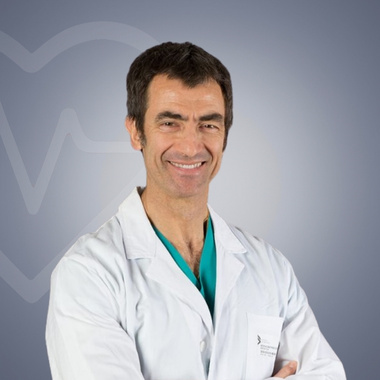
Dr. Prof. Paolo Giorgio Arcidiacono

Dr. Prof. Paolo Giorgio Arcidiacono

Gastroenterologist ·
, milan, Italy

36 Years of experience ·
Languages Spoken: English, Italian, Spanish

Book a video consultation with Prof. Paolo Giorgio Arcidiacono for Gastroenterologist, from USD 503. Receive a signed report within 24 hours or a full refund if unavailable.

Specialises in:

Pancreatic CystsPancreatic TumoursPancreatic CancerChronic PancreatitisAcute Pancreatitis

About Dr. Prof. Paolo Giorgio Arcidiacono

  • Dr. Paolo Giorgio Arcidiacono is a gastroenterologist specializing in biliopancreatic endoscopy and endoscopic ultrasound (EUS) at IRCCS San Raffaele Hospital in Milan, Italy.
  • He is the Director of the Biliopancreatic Endoscopy and Endoscopic Ultrasound Unit at IRCCS San Raffaele Hospital, according to his institutional profile.
  • He graduated in Medicine and Surgery from the University of Milan in 1986 and completed his specialization in Gastroenterology and Digestive Endoscopy in 1991.
  • He collaborates with the postgraduate School of Specialization in Gastroenterology and Digestive Endoscopy at Vita-Salute San Raffaele University.
  • He has educational leadership roles associated with the European Society of Gastrointestinal Endoscopy (ESGE), the Italian Society of Digestive Endoscopy (SIED), and the Training for Excellence EUS programme supported by Pentax Europe, as stated in the supplied biography.
  • His clinical and research interests include pancreatic diseases, pancreatic cystic lesions, pancreatic tumours, chronic pancreatitis, and advanced diagnostic and therapeutic endoscopic procedures.
  • He participates in international research initiatives, including the International Cancer of the Pancreas Screening (CAPS) Consortium and the European Study Group on Cystic Tumors of the Pancreas (PACYFIC), according to the supplied biography.
  • His expertise includes endoscopic ultrasound, which helps clinicians examine the digestive tract and nearby organs, including the pancreas and bile ducts.
  • He has contributed to research on pancreatic cysts, pancreatic cancer, pancreatitis, and gastrointestinal endoscopy.

Conditions treated by Prof. Paolo Giorgio ARCIDIACONO

  • Pancreatic Cysts
  • Pancreatic Tumours
  • Pancreatic Cancer
  • Chronic Pancreatitis
  • Acute Pancreatitis
  • Pancreatic Exocrine Insufficiency
  • Biliopancreatic Disorders
  • Bile Duct Disorders
  • Pancreatic Neuroendocrine Tumours
  • Pancreatic Lesions
  • Incidental Pancreatic Abnormalities
  • Gastrointestinal Disorders
  • Pancreatic Cystic Lesions

Area of Interest

  • Gastroenterology
  • Biliopancreatic endoscopy
  • Endoscopic ultrasound (EUS)
  • Diagnostic and therapeutic digestive endoscopy
  • Pancreatic cystic lesions
  • Pancreatic cancer evaluation and surveillance in selected high-risk individuals
  • Pancreatic tumours
  • Chronic and acute pancreatitis
  • Pancreatic exocrine insufficiency
  • Bile duct and pancreatic duct disorders
  • EUS-guided tissue sampling
  • Advanced endoscopic procedures

Qualification

  • Degree in Medicine and Surgery – University of Milan, Italy, 1986.
  • Specialization in Gastroenterology and Digestive Endoscopy – University of Milan, Italy, 1991.

Work Experiences

  • Director, Biliopancreatic Endoscopy and Endoscopic Ultrasound Unit - IRCCS San Raffaele Hospital, Milan, Italy, according to his institutional profile.
  • Contract Professor - School of Specialisation in Gastroenterology and Digestive Endoscopy, Vita-Salute San Raffaele University, Milan.
  • Director, ESGE School - European Society of Gastrointestinal Endoscopy, as stated in the supplied biography.
  • Director, Advanced Endoscopy Training School - Italian Society of Digestive Endoscopy (SIED), according to the supplied biography.
  • Director, EUS Training School - Training for Excellence programme, Pentax Europe, according to the supplied biography.

Certifications (1)

  • Fellow of the American Society for Gastrointestinal Endoscopy (FASGE) – As stated in the supplied biography.

Memberships (6)

  • American Society for Gastrointestinal Endoscopy (ASGE)
  • Italian Association for Neuroendocrine Tumors (ITANET)
  • European Society of Gastrointestinal Endoscopy (ESGE)
  • EURO-EUS
  • International Therapeutic Endoscopic Ultrasound (EUS) community
  • EUS ITALY – Italian Master Class on Endosonography

Ready to Speak with Prof. Paolo Giorgio Arcidiacono?

Book a secure video consultation for expert Weight Loss Specialist care.

What to Expect in Your Consultation

Upload Your Medical Reports

Upload MRI/CT scans, laboratory reports, prescriptions, and previous medical records. Supported formats: PDF, JPEG, and DICOM.

30-Min Video Consultation

Consult the Doctor in your preferred language. A family member or caregiver is welcome to join.

Medical Opinion Within 24 Hours

Receive a signed medical opinion with diagnosis, treatment recommendations, and next steps in a downloadable PDF.

Care Coordination (Optional)

If needed, our team can assist with a second opinion, hospital appointments, or medical travel arrangements.

Procedures Performed

Endoscopy (UGI Endoscopy)

Frequently Asked Questions

Prof. Paolo Giorgio ARCIDIACONO is available to teleconsult on the MediGence platform.

The consultation typically lasts between 15 and 30 minutes. It may exceed the estimated time, depending on the patient’s questions and the doctor's medical recommendations.

We have Medical specialists and board-certified doctors on our panel. The consultation will be organised within 24 to 48 hours, or based on the availability of the doctor and the patient.

No, the follow-up consultation fee is not included in the consultation price. The patient will be required to re-book the consultation.

The option to share your medical records is available between steps in the form provided on the website.

Yes. If you are satisfied with the consultation, you can proceed with treatment packages tailored to your diagnosis, with assistance from our case managers.

Yes. The cost estimate will be provided to you by our case manager, including the doctor’s opinion, the cost estimate, and crucial information about travelling to your medical destination.

FAQ's Related to Gastroenterologist

A gastroenterologist diagnoses and manages conditions affecting the digestive system, including the oesophagus, stomach, intestines, liver, gallbladder, pancreas, and bile ducts. Some gastroenterologists also perform endoscopic procedures to investigate or treat gastrointestinal disorders.

A conventional abdominal ultrasound uses a probe placed on the skin to produce images of internal organs. EUS uses an ultrasound probe attached to an endoscope, allowing the clinician to examine the pancreas and surrounding structures from inside the digestive tract. EUS may provide more detailed images in selected cases and can support tissue sampling when needed.

EUS-guided tissue sampling may be recommended when a pancreatic or nearby lesion requires further investigation. Using ultrasound guidance, a specialist can collect cells or tissue for laboratory analysis. The decision depends on the imaging findings, suspected diagnosis, whether the result will change management, and the risks of the procedure.

ERCP is an endoscopic procedure used to diagnose or treat selected problems involving the bile ducts and pancreatic duct. It may be used to remove certain duct stones, place stents, or treat a blockage. Because ERCP carries risks, including pancreatitis, it is generally performed when there is a clear clinical indication.

Pancreatic neuroendocrine tumours arise from hormone-producing or related neuroendocrine cells in the pancreas. Some grow slowly, while others can behave aggressively. Diagnosis and treatment depend on tumour type, grade, size, spread, hormone production, and other clinical factors.

EUS-guided ablation refers to techniques that use endoscopic ultrasound to guide treatment directly towards selected lesions. These approaches are specialised and may be appropriate only in particular clinical or research settings. They are not a standard treatment for every pancreatic tumour, and suitability depends on the lesion, available evidence, and multidisciplinary assessment.

EUS is generally considered safe when performed by trained specialists, but risks can include reactions to sedation, bleeding, infection, and, rarely, injury or perforation. If tissue sampling or therapeutic intervention is performed, additional risks may apply. The treating team should explain the benefits and risks for the planned procedure.

Seek medical assessment for persistent upper abdominal pain, unexplained weight loss, jaundice, recurring pancreatitis, unusual digestive symptoms, or a pancreatic abnormality found on imaging. Severe abdominal pain, jaundice accompanied by fever, persistent vomiting, or rapid deterioration requires urgent medical assessment.

Explore Telemedicine Specialists

Please Enquire

Required | alphabets and spaces
Required | A valid, working email address
Required | A valid contact

Not Sure About Your Treatment Plan? Get a Second Opinion

Get your medical reports reviewed by experienced doctors to help you make a confident treatment decision, all online within 48 hours.