
Trusted by 100,000+ International Patients
Limb Lengthening: Malaysia vs United Kingdom
Cost, Quality & Recovery Compared
$35000
Malaysia Starting Cost
$30000
United Kingdom Starting Cost
See how these top medical tourism destinations compare for Limb Lengthening.
| Comparison Factor | Malaysia | United Kingdom | Winner |
|---|---|---|---|
| Average Cost (in USD) | 35000 - 50000 | 30000 - 55000 | Both Equal |
| Success Rate (Min and Max) | 82% – 93% | - | Both Equal |
| Advanced Technology | Internal motorised limb lengthening nails, computer-assisted deformity correction, 3D imaging, and structured physiotherapy & rehabilitation programs. | - | Both Equal |
| JCI Accredited Hospitals | 10+ | - | Both Equal |
| Visa Process | Medical Visa / eVisa / Tourist Visa (3–5 working days) | - | Both Equal |
*Costs are estimates and may vary based on hospital, complexity, and package inclusions. See detailed cost breakdown below
Understand exactly where your money goes. Both countries offer all-inclusive packages, but here's how the costs typically break down.
Best for Budget-Conscious Patients
Offered Package Price (Additional Cost Excluded)
Best for Flexible Donor Requirements
Offered Package Price (Additional Cost Excluded)
Top Hospitals: The London Clinic , Werndale Hospital
Want a personalized cost estimate based on your specific condition?
Get Your Free QuoteBoth Malaysia and United Kingdom maintain world-class healthcare standards with internationally accredited hospitals and highly trained medical professionals.
Hospitals in Malaysia are accredited by Joint Commission International (JCI) and Malaysian Society for Quality in Health (MSQH), ensuring high standards in orthopaedic reconstruction procedures.
Good to excellent outcomes in specialised orthopaedic centres performing limb lengthening and deformity correction with modern techniques and rehabilitation protocols.
Healthcare is regulated by the Malaysian Ministry of Health (MOH), ensuring strict clinical safety, surgical standards, and quality care.
Hospitals are regulated by the Care Quality Commission (CQC) with specialised orthopaedic and limb reconstruction units.
High success rates in specialised centres performing deformity correction and limb lengthening using advanced internal fixation systems.
Healthcare services are governed by the National Health Service (NHS) and private healthcare standards, ensuring strict surgical safety protocols and rehabilitation guidelines.
| Quality Metric | Malaysia | United Kingdom |
|---|---|---|
Accredited Hospitals | 10+ | 10+ |
Average Success Rate | 82–93% | 85–93% |
Post-op Survival (1 Year) | 85–90% | - |
Top Speciality Hospital Hubs | Kuala Lumpur, Penang, Johor Bahru | London, Birmingham, Manchester |
Both countries have highly qualified and experienced medical specialists trained at premier institutions worldwide. Here's what sets them apart.
Orthopaedic limb reconstruction surgeons
Moderate
Orthopaedic Limb Reconstruction Surgeons
High volume
All surgeons listed on Medigence are verified for their medical license, board certifications, hospital affiliations, and patient outcomes. We conduct background checks and regularly update our database to ensure you're connected with the best medical professionals.
Beyond medical excellence, your comfort during treatment matters. Compare the patient experience at top hospitals in both destinations.

World-class hospitals, exceptional value
Leading Malaysian hospitals provide specialised orthopaedic reconstruction units with advanced operating theatres, computer-assisted planning systems, high-resolution imaging (X-ray, CT, MRI), and 3D deformity correction tools. Integrated physiotherapy and rehabilitation centres support long-term recovery and mobility.

Luxury healthcare experience
Leading UK hospitals offer specialised orthopaedic reconstruction units with advanced operating theatres, navigation-assisted surgical systems, high-resolution imaging, and 3D deformity planning technologies. Comprehensive physiotherapy and rehabilitation centres support long-term recovery and mobility.
Plan your medical journey with confidence. Here's everything you need to know about travel, visas, and accommodation in both countries.
We provide end-to-end travel assistance including visa facilitation, airport pickups, hotel bookings near your hospital, and local support throughout your stay. Our patient coordinators handle all logistics so you can focus on recovery.
Understanding the recovery process helps you plan better. Here's what to expect after Limb Lengthening in both countries.
Limb lengthening involves surgical placement of internal devices followed by gradual bone distraction.
Patients require regular follow-ups with imaging (X-rays) to monitor bone growth and alignment.
Physiotherapy is essential to maintain joint mobility and muscle strength.
Follow-ups every 2–4 weeks during the lengthening phase, followed by monitoring during bone consolidation.
In-person follow-ups recommended at 3, 6, 12 months. Telemedicine available.
Patients undergo surgery followed by gradual bone distraction using internal motorised implants.
Regular follow-ups and imaging are required to monitor bone growth and alignment.
Physiotherapy is essential to maintain joint mobility and muscle strength during the lengthening phase.
Follow-ups are typically scheduled every 2–4 weeks with X-rays, followed by long-term monitoring during bone consolidation.
Comprehensive telemedicine follow-up program. Return visits at 6, 12 months if possible.
Limb Lengthening recipients require lifelong immunosuppressant medications. Ensure you have a plan for obtaining these medications and regular blood monitoring in your home country before traveling abroad for surgery.
Every medical procedure carries risks. We believe in complete transparency so you can make a fully informed decision about your Limb Lengthening journey.
Reduced with sterile orthopaedic operating theatres and antibiotic protocols.
Common during the bone distraction phase and managed through pain medication and physiotherapy.
Higher risk in smokers, older patients, or those with nutritional deficiencies.
Possible implant issues, nerve irritation, or bone alignment problems.
May include nausea, dizziness, or mild gastrointestinal discomfort.
The right choice depends on your specific situation. Here's a clear guide to help you decide which destination aligns with your needs.
Patients with limb length discrepancy, short stature, or deformities who are suitable for limb reconstruction and can commit to long-term physiotherapy, follow-ups, and recovery protocols.
Patients with limb length discrepancy, short stature, or limb deformities who are medically fit and willing to commit to long-term rehabilitation, physiotherapy, and continuous medical follow-up.
Our medical tourism experts can analyze your case and recommend the best destination based on your medical history and budget.
Follow this step-by-step framework to make the right choice for your Limb Lengthening journey.
Assess limb discrepancy, bone quality, and overall fitness for surgery.
Plan finances, including surgery, rehabilitation, and accommodation.
Arrange travel and initial recovery stay.
Provide X-rays, orthopaedic reports, and medical history.
Ensure structured physiotherapy and regular follow-up for monitoring progress.
Let our medical tourism experts guide you through the process. We'll help you:
No obligation • Free consultation • Response within 24 hours
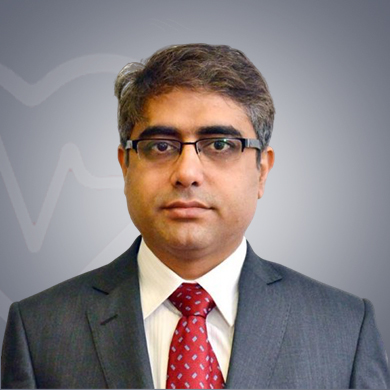
Orthopedic Surgeon
22 Years of Experience
Known for his soft-spoken nature, Dr. Manon Miglani had completed his MBBS from Maulana Azad Medical College and MS (Ortho) for All India Institute of Medical Sciences. Dr. Miglani was awarded AO spine fellowship from Queen’s Medical Center, Nottingham and he also received Stryker fellowship in Arthroplasty from Indraprastha Apollo Hospital. Dr. Manon Miglani has provided his expert services to various hospitals of Delhi and NCR including AIIMS, Indraprastha Apollo, Jaipur Golden hospital, and Artemis hospital Presently, Dr. Manon is the additional director of Fortis, Vasant Kunj and senior consultant at Fortis, Shalimar Bagh. View More
