Tinnitus Treatment in Thailand
- Top Accredited Hospitals
- Global Medical Standards
- Cutting-Edge Technology
- Proven Treatment Options
- High Success Rate
- Trusted by Millions

What is Tinnitus?
The sensation of noise or ringing in the ears when there is no outside sound is known as tinnitus. A ringing, buzzing, hissing, or humming sound that varies in intensity and pitch is how it's commonly described. Tinnitus is a symptom of an underlying problem rather than a disease in and of itself, such as:
- Deafness
- Blockages or infections in the ears
- Being around loud noises
- Some drugs
- Elevated blood pressure
What is the Importance of Timely Treatment?
Tinnitus must be treated promptly for a number of reasons:
- Stopping Additional Hearing Damage: Tinnitus may be a precursor to hearing loss or other problems affecting the ears. Early intervention can help stop additional harm
- Symptom Management: Tinnitus symptoms might be simpler to live with if early management is used to control their frequency and severity.
- Mental Health: Sleep issues, anxiety, and depression can result from persistent tinnitus. Stress can be decreased and general mental health can be enhanced with prompt treatment
- Finding the Underlying Conditions: Tinnitus may indicate other medical conditions such ear infections or cardiovascular disorders. These underlying issues can be addressed with early diagnosis and therapy
- Enhancing Quality of Life: Daily functioning and general quality of life can be improved by effective tinnitus care.
What are the symptoms of Tinnitus?
The sensation of sound even in the absence of external sound is known as tinnitus. Among the most typical symptoms are:
- Ringing: The most typical symptom is a high-pitched ringing sound
- Buzzing: A continuous or sporadic buzzing sound may be heard by some people
- Hissing: You may also hear a sizzling or hissing sound
- Clicking: There may be popping or clicking sounds, frequently synchronized with the heartbeat
- Roaring: Some people perceive a whooshing or roaring noise
- Whistling: Another sign could be a high-pitched whistling sound
- One or both ears may be affected by these sounds, which can differ in intensity and pitch. Tinnitus may be more pronounced in quiet settings and may be continuous or intermittent.
Causes and Risk Factors of Tethered Tinnitus
Causes
There are several causes of Tinnitus, most of which have to do with the auditory system. These are a few typical reasons:
- Loud Noise Exposure: Extended exposure to loud noises, including concerts, machinery, or explosions, can harm inner ear hair cells and cause tinnitus
- Tinnitus may be caused by age-related hearing loss or harm to the auditory nerves
- Ear Infections or Blockages: Tinnitus may be transient or chronic due to earwax accumulation, fluid in the ear, or ear infections
- Medication: Tinnitus is a side effect of some medications, including antibiotics, chemotherapeutic treatments, and nonsteroidal anti-inflammatory drugs (NSAIDs)
- Head or Neck Injuries: Tinnitus may result from trauma to the head or neck that affects the inner ear or auditory nerves.
Risk Factors
Tinnitus can affect anyone; however, the following things may make you more susceptible:
- Exposed to loud noise. Noise-related hearing loss is frequently caused by loud noises, such as those produced by heavy machinery, chainsaws, and weapons. If played loudly for extended periods of time, portable music devices like MP3 players can also result in noise-induced hearing loss. Particularly vulnerable are those who labor in noisy settings, such as construction and manufacturing workers, musicians, and military personnel
- Age. The quantity of nerve fibers in your ears that are still functional decreases with age, which may lead to hearing issues that are frequently linked to tinnitus
- Gender: Tinnitus affects men more frequently than women
- Alcohol and tobacco usage. Tinnitus is more likely to develop among smokers. Tinnitus risk is also increased by alcohol consumption.
Connect with our advisor for a PRIORITY response
Latest Research and Technologies in Treatment of Tinnitus in Thailand
In Thailand and around the world, there have been some fascinating developments in the management of tinnitus. Here are some noteworthy advancements:
- Targeting the brain circuits that produce phantom sounds is the goal of neuromodulation therapy. By altering brain activity, methods like transcranial magnetic stimulation (TMS) and transcranial direct current stimulation (tDCS) may lessen the severity of tinnitus
- Sound Therapy and Cognitive Behavioral Therapy (CBT): Tinnitus can be made to seem less noticeable with the use of devices such as white noise machines, hearing aids, or specialized tinnitus maskers. CBT assists people in comprehending and managing the psychological and emotional effects of tinnitus
- Emerging Technologies: The potential of virtual reality (VR) and augmented reality (AR) to divert the brain from tinnitus and offer a more entertaining method of sound therapy is being investigated. Additionally, individual tinnitus patterns are being analyzed using artificial intelligence (AI) to adjust treatment plans.
These developments give tinnitus sufferers hope for better treatment and possible alleviation.
Treatment options for Tinnitus
Cochlear implants: can enhance hearing in individuals with cochlear otosclerosis. (Your cochlea is a spiral, fluid-filled structure within your inner ear that assists with hearing.) A cochlear implant bypasses your inner ear structures and establishes a new pathway for sounds to travel to your brain.
Cost Start From USD 19000 - USD 25000Explore Options
A mix of medical history, physical examination, and specialist testing are used to diagnose tinnitus.
- Hearing (Audiological) Exam: You will wear earphones that send particular sounds into one ear at a time while you sit in a soundproof room. Your results will be contrasted with typical hearing levels for your age after you specify when you can hear the sound
- Movement Tests: You can be asked to move your neck, arms, and legs, clench your jaw, or move your eyes. You can find underlying illnesses by observing changes in your tinnitus during these movements
- Imaging Tests: To look for anomalies in the brain or ears, you could require imaging tests like CT or MRI scans, depending on the likely reason of your tinnitus
- Lab testing: Blood testing can be used to determine whether your tinnitus is caused by anemia, thyroid issues, heart illness, or vitamin deficiencies
- Tinnitus Matching: This entails listening to a variety of sounds to determine which one best fits the intensity and pitch of your tinnitus. Customizing therapy options can be aided by this
- Questionnaires and Assessments: A number of questionnaires can be used to determine how tinnitus affects your quality of life and to find any psychological problems that may be related.
- Tinnitus Retraining Therapy: In order to help you become accustomed to the sound of your tinnitus, Tinnitus Retraining Therapy (TRT) combines sound therapy with counseling. Learning to block out the tinnitus sound is the aim.
- Sound Therapy: To cover up the tinnitus, outside noise is used. White noise, natural sounds, or even music can be used. For this, gadgets like sound generators or hearing aids can be employed.
- Cognitive Behavioral Therapy (CBT): This kind of treatment assists you in controlling the psychological and emotional effects of tinnitus. It can help you feel less anxious and have a better life.
- Rehabilitation post cochlear implant: Mapping Sessions: Regular sessions with an audiologist to adjust the settings of the implant to ensure optimal hearing. Auditory Training to decipher the noises patients hear through the implant..
Depending on the circumstances, your doctor might recommend medication to help manage your symptoms and complement the course of treatment.
Instantly Connect with our Specialists


Hospitals for Tinnitus in Thailand
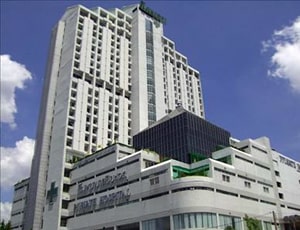
Piyavate Hospital
Bangkok, Thailand
Piyavate Hospital located in Bangkok, Thailand is accredited by JCI. Also listed below are some of the most prominent infrastructural details:
Medicine Centre: Piyavate Hospital provides advanced holistic treatment for their patients. They offer a complete range of services and physicians that specialize in various fields like the endocrine system, the nervous system, kidney function, cardiovascular care, respiratory and digestive system. They pride themselves for the familial care that they provide to their patients.
Fertility and In-Vitro Fertilization Centre: Helping the couples who walk into the Piyavate Hospital to achieve their dream of having a family. They have a medical team that specializes in male and female fertility. They offer consultation services, fertility check-up for both men and women and complete IVF services. They have advanced IVF cycle treatment facilities that offer a high rate of success.
Bone and Joint Institute: Piyavate Hospital houses one of the frontrunners in Orthopaedic health care in all of SouthEast Asia. They offer a wide range of services and surgeries in their bone and joint institute that include hand surgery, hip and knee replacement surgery, spinal cord surgery, upper extremity surgery, arthroscopic surgery and sports medicine.
Eye and Lasik Centre: Piyavate Hospital is fully equipped with the latest and most advanced technology for eye care and houses highly skilled ophthalmologists, sub-specialists and qualified nurses.
Physical Therapy and Rehabilitation Centre: One of the first hospitals to be equipped with the Hybrid Assistive Limb technology that will help a neurologically challenged patient to control the rehabilitation robot limb with a signal from their brain. The Physical Therapy and Rehabilitation Centre at Piyavate Hospital uses this system encourage patients to regain muscle memory to walk and function normally.
Amenities for Patient’s Family:
Piyavate Hospital also offers additional apartment facilities to house the kin of the patients who come to visit them from distant places. A restaurant, a flower shop and a café are a few of the other amenities provided by the hospital.
These are the most popular services offered by the Piyavate Hospital in Bangkok, Thailand. They also provide a plethora of other medical services that are listed below:
Diabetic Foot Centre
Check-up centre
Urology Centre
Heart Institute
Paediatric Centre
Obstetrics and Gynaecology Centre
Surgery Centre
Ear Nose Throat Centre
Haemodialysis Centre
Dental Centre
X-Ray Centre
Gastroenterology Centre
Cancer Centre
Neonatal Intensive Care Unit (NICU)
Emergency Services and Centre
Tele-medicine

Phyathai 2 International Hospital
Bangkok, Thailand
Phyathai 2 International Hospital located in Bangkok, Thailand is accredited by JCI. Also listed below are some of the most prominent infrastructural details:
- Fully equipped rooms are available for convenience of the patients- Gold B Room, Gold A Room, Pediatric Gold A, Platinum room, and Prestige ward
- Nearby accommodations are also available- Abloom Service Apartments, Bangkok Patio, VIB Best Western Sanam Pao, VIC3 Hotel
- Operating room
- International Patient Medical Center to assist overseas patients

Bangkok Hospital
Bangkok, Thailand
Bangkok Hospital located in Bangkok, Thailand is accredited by JCI. Also listed below are some of the most prominent infrastructural details:
- It is recognised for the application of the newest healthcare technology.
- Blood analysis center that is not just the best in Thailand but in Asia Pacific as well.
- Biomolecule center that is the seed of healthcare equipment for Thailand and overseas.
- International affiliations and collaborations with universities and hospitals in Japan and the United States of America.
- 11 hospitals are recognised as Centers of Excellence.
- Known excellence in Trauma, Orthopedics, Cardiovascular, Neurology as well as Cancer Care.
- There is a proper streamlined patient services process followed in Bangkok Dusit Medical Services, Bangkok, Thailand.
- A well developed research center showcases the intent of the organisation to provide research based treatment opportunities to the patients.
- The group has several Medical industry partnerships as well to ensure healthcare solutions.
Our Services to better your experience
Opinion & Option
We submit the most accurate opinion and options from one or more countries for your review
Consult Privately
Consult with a certified specialist privately on our telemedicine platform even before you decide to travel
Logistics
We handle flights, visas, transfers, and accommodation—so you can focus on your health.
Recovery
Our In-house rehabilitation service packages to better your recovery and treatment outcome
Why Choose Thailand for Tinnitus Treatment?
Thailand is a popular destination for tinnitus treatment for several reasons:
- Expertise: There are several highly skilled and experienced audiologists and ENT doctors in Thailand who are knowledgeable about the most recent tinnitus treatment methods
- Cost-Effective: Patients looking for high-quality care may find Thailand to be an affordable alternative because medical procedures in Thailand are typically less expensive than in many other nations
- Advanced Facilities: Modern equipment and technology are available in many Thailand hospitals and clinics for the diagnosis and treatment of tinnitus
- Support Services: In order to assist patients in managing the psychological and emotional effects of tinnitus, numerous healthcare professionals in Thailand provide extensive support services, such as counseling and rehabilitation programs.
Frequently Asked Questions
Yes, it is possible to control and treat tinnitus, albeit the underlying cause may affect how well a treatment works. Here are a few typical forms of treatment:
- Treating Underlying Conditions: Tinnitus symptoms may be lessened or eliminated if an underlying medical condition is the reason. Tinnitus2 can be caused, for instance, by removing earwax, treating blood vessel disorders, or altering drugs
- Tinnitus Retraining Therapy (TRT): This therapy combines sound therapy and counselling to help patients become accustomed to the tinnitus and lessen its impact on their daily lives. Hearing Aids: If tinnitus is linked to hearing loss, hearing aids can help amplify external sounds, making the tinnitus less noticeable
- Sound Masking Devices: These devices can be used at night or throughout the day and produce white noise or other sounds that can help mask the tinnitus, making it less bothersome.
The nation's healthcare institutions offer top-notch treatment alternatives, guaranteeing successful outcomes for many patients. A scoping review suggests that combined therapies, such as masking, counseling, and attention diversion, appear to be the most promising for tinnitus management in Thailand. Cognitive-behavioral therapy (CBT) is also reasonably established as an effective approach.
Yes, many Thailand hospitals offer the following for Tinnitus treatment:
- Advanced diagnostic tools like Audiometry, Tympanometry, Tinnitus Matching for accurate diagnoses of Tinnitus
- Skilled ENT doctors and surgeons to treat Tinnitus.
- Comprehensive post cochlear implant care and rehabilitation for long-term benefit
Always consider the following factors when selecting Thailand hospitals:
- Hospitals that are accredited (authorised by JCI).
- Patient reviews and success rates.
- Hospitals that provide seamless care to patients from abroad.
Based on the information that is currently available, the success rate for treating tinnitus in Thailand is between 80 and 90 percent. According to a scoping review, the most promising treatments for tinnitus in Thailand seem to be combination therapies like masking, counselling, and attention diversion. Cognitive-behavioral therapy (CBT) is also reasonably established as an effective approach.
Children may not always be able to express what they are experiencing, making it difficult to diagnose tinnitus in them. The following are some symptoms and indicators to watch out for:
- Hearing Sounds: Your child may report hearing ringing, buzzing, humming, hissing, roaring, or clicking sounds that are not caused by an external source
- Behavioral Changes: Look for signs of anxiety, depression, irritability, restlessness, or tantrums, especially in younger children
- Attention and Fatigue: Children with tinnitus may have a poor attention span, appear distracted, or show signs of fatigue
- Sensitivity to Noise: Increased sensitivity to noise or covering their ears in response to sounds
Tinnitus can affect a patient's physical and mental health in a number of ways during the course of their lifetime. The following are some possible long-term consequences:
- Mental Health Problems: Tinnitus can cause irritation, anxiety, sadness, and other mental health issues. The continuous cacophony can be upsetting and could make pre-existing mental health issues worse.
- Sleep disturbances: A lot of tinnitus sufferers have trouble falling asleep, which can cause weariness during the day and a lower standard of living in general
- Issues with Concentration and Memory: The continuous noise may make it difficult to focus and may have an impact on cognitive and memory abilities
- Social Isolation: Patients with tinnitus may find it difficult to interact with others, which can result in feelings of loneliness and isolation
- Effect on Daily Activities: The continuous noise may cause disruptions to everyday tasks
It takes a combination of knowledge, encouragement, and useful techniques to care for a child with tinnitus. The following advice will assist you in managing your child's condition:
- Become knowledgeable about tinnitus and its causes so that you may better comprehend what your child is going through. This information will enable you to offer knowledgeable assistance
- Be Understanding and Patient: Children who experience tinnitus may find it upsetting, so it's critical to show empathy and patience. Assure your child that they are not alone by listening to their worries
- Establish a Calm Environment: Your child's surroundings should have less background noise, especially while they are sleeping. To assist block out the tinnitus noises, use fans or white noise devices
- Promote Relaxation Methods: To assist your child, teach them relaxation methods like deep breathing, meditation, or mild yoga
- Assistance at School: Let the teachers know about your child's condition and collaborate to establish a nurturing learning environment
- Preserve Hearing: Keep your kids away from loud noises and use earplugs when they're around noise. This can lessen the symptoms of tinnitus and stop more hearing loss

Reviewer

Dr. Vidit Tripathi
ENT Surgeon
24 Years of Experience
One of the finest ENT Surgeon in New Delhi, India, Dr. Vidit Tripathi, has worked with several world class multidisciplinary hospitals over the years. Dr. Vidit Tripathi has over 24+ years of experience in his field. The specialist treats and manages a wide range of conditions such as Goiter, Radiation Necrosis in Neck, Neck Injury, Perforates Eardrum View More
Last Reviewed - January 2026