Sturge Weber Syndrome Treatment in Malaysia
- Top Accredited Hospitals
- Global Medical Standards
- Cutting-Edge Technology
- Proven Treatment Options
- High Success Rate
- Trusted by Millions

What is Sturge-Weber Syndrome?
The neurocutaneous illness known as Sturge-Weber syndrome (SWS) is typified by angiomas that affect the leptomeninges, choroid, and face. "Port-wine stain" or "nevus flammeus" are other names for the facial capillary vascular malformation, which is typically found in the trigeminal nerve region.
What is the Importance of Timely Treatment?
When seizures are promptly controlled in the early stages of development, a patient's neurological outcome can be significantly improved by preventing further brain damage from seizures, minimising cognitive impairments, and addressing potential complications like glaucoma. Delaying treatment can result in more severe neurological deficits and developmental delays. This is why treating Sturge-Weber syndrome as soon as possible is so important.
What are the Common Symptoms of Sturge-Weber Syndrome?
- Seizures that start in childhood and can get worse as people age
- Convulsions can vary in intensity and typically occur on the side of the body opposite the birthmark
- Muscle weakness that can be either temporary or permanent
- Cognitive impairment and developmental delays
- Glaucoma, or elevated intraocular pressure, may occur from birth or later. The eyeball may swell and protrude from its socket due to elevated intraocular pressure (buphthalmos)
- Migraines
Causes and Risk Factors of Sturge-Weber Syndrome
Causes
A GNAQ gene mutation, which affects the development of blood vessels, causes the rare genetic disorder Sturge-Weber Syndrome (SWS). Abnormal growth of blood vessels occurs, particularly in the skin, brain, and eyes. While the genetic mutation's exact cause is unknown, it typically occurs at some point during the initial stages of fetal development and is not inherited.
Risk Factors
Risk factors for Sturge-Weber Syndrome: Sturge-Weber syndrome-related leptomeningeal angiomas may raise your risk of:
- Near the angioma, there are calcifications (calcium deposits)
- Atrophy is the loss of brain tissue
- Paralysis
- Stroke.
Connect with our advisor for a PRIORITY response
Latest Research and Technologies in the Treatment of Sturge-Weber Syndrome in Malaysia
Recent research undertaken in Malaysia has underscored substantial advancements in treating Sturge-Weber Syndrome (SWS), a rare neurocutaneous disease characterised by leptomeningeal angiomatosis, facial port-wine stain, and associated neurological manifestations. One such advancement is the use of oral sirolimus, an mTOR inhibitor that has proven efficacy in reducing facial hemihypertrophy and controlling seizures in SWS patients.
Treatment options for Sturge Weber Syndrome
Seizure Management: Sturge-Weber syndrome is treated by managing its symptoms, which may involve anti-seizure drugs or seizure surgery. Laser skin resurfacing is used to lessen the visibility of the port-wine birthmark.
Cost Start From USD 50 - USD 10000Explore Options
Stem Cell Therapy: In Malaysia, novel therapies, including stem cell therapy, have been investigated. One documented incident, for example, demonstrated that a child's motor skills improved after receiving stem cell therapy.
After your baby is born, a medical professional will diagnose Sturge-Weber syndrome. The port-wine birthmark will be visible on your child's skin. Following a neurological examination and tests to check for blood vessel problems that impact the brain and vision, their provider will examine it during their initial physical examination. Tests could consist of:
- MRI
- CT scan
- EEG stands for electroencephalogram
- Eye examination.
MediRehab (a chain of Rehabilitation centres—part of MediGence) provides comprehensive rehabilitation services to support patients through Teleconsultations and online therapy sessions.
- Personalised Therapy Plans: Individually tailored treatments for pain management and enhanced mobility.
- Rehabilitation post-surgery: physiotherapy sessions focused on restoring joint function and strength.
- Depending on the situation, your healthcare professional may prescribe medicine to help control your symptoms and support the treatment plan.
Instantly Connect with our Specialists


Hospitals for Sturge Weber Syndrome in Malaysia
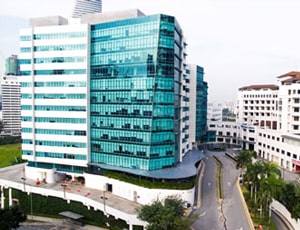
Parkway Pantai
Kuala Lumpur, Malaysia
Parkway Pantai located in Kuala Lumpur, Malaysia is accredited by JCI. Also listed below are some of the most prominent infrastructural details:
- Capacity of 335 beds
- 200+ specialist Doctors
- Critical Care Unit
- Neonatal Intensive Care Unit
- Operating Theatre
- International Patient Care Center
- Types of rooms available- Premier Suite, Supreme Suite, Deluxe Single Room, 2-bedded room, 4-bedded room, Deluxe Suite, Premier Single room, and Supreme Single room

Sunway Medical Centre
Kuala Lumpur, Malaysia
Sunway Medical Centre has initiated a comprehensive expansion plan close to its current hospital facility to enhance its ability to provide services to the global market. The new Cancer Radiosurgery Center and Nuclear Medicine Center, which will also house additional Centers of Excellence like the Digestive Health Center and Dialysis Center, marked the completion of Tower C's first phase in October 2016.

Damansara Specialist Hospital, Petaling Jaya
Petaling Jaya, Malaysia
- KPJ Damansara Specialist Hospital offers specialised healthcare across cardiology, oncology, orthopedics, neurology, gastroenterology, nephrology, women’s health, pediatrics, ENT, and minimally invasive surgery. The hospital provides advanced diagnostics, rehabilitation, cardiac care, neurosurgery, wellness programs, and preventive healthcare supported by multidisciplinary specialists and patient-centred clinical protocols. Equipped with modern medical technologies and safety-driven systems, it focuses on evidence-based treatment, personalised care planning, and quality healthcare delivery
Our Services to better your experience
Opinion & Option
We submit the most accurate opinion and options from one or more countries for your review
Consult Privately
Consult with a certified specialist privately on our telemedicine platform even before you decide to travel
Logistics
We handle flights, visas, transfers, and accommodation—so you can focus on your health.
Recovery
Our In-house rehabilitation service packages to better your recovery and treatment outcome
Why Choose Malaysia for Stroke Treatment?
Here are some of the reasons for choosing Malaysia:
- Due to advancements in medical facilities, such as minimally invasive surgical techniques.
- World-class experts include highly experienced doctors, JCI, and NABH-accredited healthcare institutions.
- Compared to other countries, treatment in Malaysian hospitals is cost-effective.
- Malaysia hospitals provide international patient services, including a multilingual support system.
- Improved treatment methods and biological therapies.
Frequently Asked Questions
Sturge-Weber is an incurable, lifelong illness. Nonetheless, symptom management can enhance your child's quality of life and help avoid difficulties.
The nation's healthcare institutions offer top-notch treatment alternatives, guaranteeing successful outcomes for many patients. The primary objective of treatment is to control seizures with anticonvulsant drugs, which are successfully available in Malaysia.
Yes, many Malaysian hospitals offer the following for Sturge-Weber Syndrome treatment:
- Advanced diagnostic tools like MRI, CT scan, electromyography, and PET scan for accurate diagnoses of Sturge Weber Syndrome
- Skilled neurologists, paediatricians and surgeons to treat Sturge Weber Syndrome.
- Comprehensive post-surgery care and rehabilitation for long-term health benefits
Always consider the following factors when selecting Malaysian hospitals:
- Hospitals that are accredited (authorised by JCI).
- Patient reviews and success rates.
- Hospitals that provide seamless care to patients from abroad.
A youngster with Sturge-Weber Syndrome frequently has a port-wine birthmark on their face. Neurological disorders, such as seizures and visual issues, including glaucoma, are other prominent signs of Sturge-Weber Syndrome. Each patient experiences these three typical SWS traits to differing degrees.
Some people have severe impairments in their vision, convulsions, movement, and IQ. Some, on the other hand, are less severely impacted; they have intact vision, well-controlled seizures, minimal motor disability, and normal intelligence, possibly with milder learning impairments or concentration issues.
Specialist monitoring with routine examinations is required to monitor neurological, ocular, and cutaneous complications in children with Sturge-Weber syndrome. Potential treatment modalities include seizure medication, laser ablation for skin lesions, and interventions to foster cognitive and developmental advancement. The child requires emotional support and a comforting, safe environment to manage the challenges induced by the syndrome.

Reviewer

Dr Sonal Gupta
Neurosurgeon
29 Years of Experience
Dr. Sonal Gupta has an experienced neurosurgeon with more than 29+ years of clinical expertise. She is currently the Director, Neuro & Spine Surgery at Fortis Hospital, Shalimar Bagh. Before joining Fortis, she has been associated with various organizations such as Maharaja Agrasen Hospital, Action Balaji Hospital, and Max Hospital. View More
Last Reviewed - January 2026