Renal Cell Carcinoma (RCC) Treatment in Malaysia
- Top Accredited Hospitals
- Global Medical Standards
- Cutting-Edge Technology
- Proven Treatment Options
- High Success Rate
- Trusted by Millions

What is a Renal Cell Carcinoma (RCC)?
Renal Cell Carcinoma (RCC) is kidney cancer, which starts in the cells of the kidneys filtering waste materials and excessive fluids from the blood. RCC is an adult kidney cancer.
What is the Importance of Timely Treatment?
- Improved Survival Rates: Early detection and treatment significantly improve survival chances. Tumor resection, mainly if localised, offers the best results; 5-year survival rates tend to be higher in early-stage cancers.
- Prevention of Tumor Dissemination: Treatment of RCC will heighten the prevention of cancer spreading to other organs, particularly the lungs, liver, and bones, thereby depriving them of effective management.
- Better Response to Treatment: Smaller, localised tumours usually undergo better surgery from targeted therapies and immunotherapy for a more controlled life quality.
- Reduction in Symptoms: Treatment at the right time under the right conditions can reduce symptoms such as pain, blood in urine, and swelling and improve the patient's overall quality of life.
What are the Common Symptoms of Renal Cell Carcinoma (RCC)?
- Blood in the Urine (Hematuria)
- Pain in the Back or Side
- Fatigue
- Weight Loss
- Fever
- Lump or Mass in the Abdomen
- Anemia
- Swelling
Causes and Risk Factors of Renal Cell Carcinoma (RCC)
Causes
- Genetic Mutations
Risk Factors:
- Smoking
- Obesity
- Chronic Kidney Disease
- High Blood Pressure (Hypertension):
- Family History and Genetic Syndromes
- Age and Gender
- Exposure to Chemicals
- Previous Kidney Cancer
Connect with our advisor for a PRIORITY response
Latest Research and Technologies in the Treatment of Renal Cell Carcinoma (RCC) in Malaysia
Targeted treatments like sunitinib and pazopanib, as well as immunotherapy options , which has demonstrated notable survival advantages, are being used to treat renal cell carcinoma (RCC) in Malaysia. For advanced RCC, novel treatments are also being investigated, an HIF-2α inhibitor. The medical facilities in Malaysia that actively engages in clinical research, providing patients with access to cutting-edge therapies and advancing RCC care worldwide.
Renal Cell Carcinoma (RCC) Prevention Tip:
- Smoking: Smoking is a risk factor in RCC. Quitting smoking will significantly reduce the chances of a person having kidney cancer and contribute to overall well-being.
- Maintaining the Proper Weight: The increase in obesity has been related as a risk factor for RCC. It minimises the risk by maintaining a healthy weight through good nutrition and exercise.
- Manage Blood Pressure: Hypertension is a recognised risk factor for RCC. Blood pressure control through medication, proper diet, and exercise will further prevent kidney-related problems.
- Avoid Exposure to Harmful Chemicals: Limiting contact with carcinogens, such as asbestos, cadmium, and organic solvents, can further reduce the chances of having RCC.
- Regular Health Checkups: Regular health checkups, mainly in the presence of family history or other risk factors, may catch RCC in the early and more treatable stage.
Treatment options for Renal Cell Carcinoma (RCC)
The medical treatment for Renal Cell Carcinoma (RCC) requires evaluating the patient's severity and medical condition. The following are the treatment options:
Surgery: Two main surgical procedures exist for renal cell carcinoma (RCC): radical nephrectomy, which means excision of the entire kidney, and partial nephrectomy, which consists of tumour excision with some conservation of kidney function. The best outcomes for localised RCC are related to surgery.
Targeted therapy : Agents that inhibit some biological pathways critical for tumour development are generally indicated when the disease is in more advanced stages or surgery has not yet been an option.
Cost Start From USD 2000 - USD 10000Explore Options
Immunotherapy : Checkpoint inhibitors enhance the immune response against the tumour cells so that they may be indicated for advanced or metastatic RCC, usually combined with targeted therapy.
Cost Start From USD 15000 - USD 50000Explore Options
Radiation therapy: Radiation helps shrink tumours, palliate symptoms like pain, or treat other organ metastases such as bone or lung. It is not a first-line treatment but can also be employed for pain management.
Ablation and chemotherapy : Ablation therapies, such as RFA or cryoablation, may be done for small tumours as minimally invasive procedures in patients unfit for surgery; chemotherapy is not commonly used in renal cell carcinoma but may apply in certain histologic types or after other treatments have failed.
Cost Start From USD 1500 - USD 3500Explore Options
These are the standard diagnostic methods for diagnosing Renal Cell Carcinoma (RCC):
- Imaging Studies:
- CT Scan: Computed Tomography: The abdominal and pelvic CT scans are the most widely used imaging techniques for detecting RCC. They assess the size, location, and extent of tumour spread, resulting in detailed images of the kidneys and surrounding structures.
- MRI: MRI stands for Magnetic Resonance Imaging. This technique captures detailed images of soft tissues that do not show the required image under a CT scan. It also assesses tumour dissemination.
- Ultrasound: Abdominal ultrasound indeed serves as the initial test. It is established as a noninvasive measure and leads to the conclusion for further imaging if any mass is discovered. However, this may not differentiate benign and malignant tumours.
- PET Scan: In advanced cases of RCC, the cancer is detected as spreading into other body parts (for example, the lungs or bones). A PET scan is used in such cases. It also becomes crucial for the detection of metastases.
- Biopsy:
- Needle Biopsy: This technique may be employed where imaging shows a kidney tumour but does not confirm the diagnosis sufficiently.
- Urine and Blood Tests:
- Urinalysis: This urine test helps find blood in the urine (hematuria), the most common symptom of RCC. The presence of blood very often warrants further investigation.
- Blood Tests: Blood tests include kidney function tests (creatinine and BUN levels) to assess kidney function and reveal abnormalities that suggest cancer. Elevation of the erythrocyte sedimentation rate (ESR) or calcium levels could also indicate the presence of RCC.
MediRehab (a chain of Rehab centres, part of MediGence) provides comprehensive rehabilitation services to support patients through Teleconsulations and online therapy sessions. These services include:
- Physical Rehabilitation: Physical therapy is vital to the patient's recovery because exercises help improve mobility, reduce joint pain, and decrease postoperative complications. Low-impact exercises can help build the patient's physical stamina, reduce energy expenditure, and improve overall recovery.
- Pain Management: Various alternative therapy strategies and the pharmaceutical route are always necessary for treating mucinous renal cell carcinoma pain. These strategies also help treat these latter manifestations of mucinous renal cell carcinoma, which always results in actively improving the patient's life.
- Lifestyle Modification: A dietitian plans a diet explicitly for the patient to maintain energy and support kidney function. It is a well-known fact that dehydration after treatment accelerates kidney functions.
- Psychological Support: Counseling, psychotherapy, and support groups are employed for addressing various mental issues, like anxiety, depression, and fear of returning to cancer. Human therapies significantly help with coping strategies in these patients.
- Occupational Therapy: Occupational therapists help patients return to activities of daily living independently by introducing modifications in the home, thereby making tasks easier. OT seeks to assist patients in working with their physical limitations following treatment.
Renal Cell Carcinoma (RCC), a targeted therapy-dependent malignancy, can block cancer growth pathways, and immunotherapies can boost the immune system's capability to fight cancer. Chemotherapy is not so much a treatment option for RCC. Therapy is determined, mainly focusing on cancer stage, rate of progression, and patient response to prior treatment.
Instantly Connect with our Specialists


Hospitals for Renal Cell Carcinoma (RCC) in Malaysia
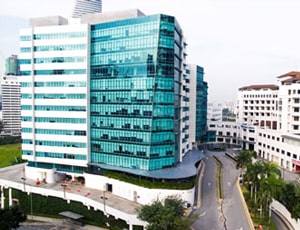
Parkway Pantai
Kuala Lumpur, Malaysia
Parkway Pantai located in Kuala Lumpur, Malaysia is accredited by JCI. Also listed below are some of the most prominent infrastructural details:
- Capacity of 335 beds
- 200+ specialist Doctors
- Critical Care Unit
- Neonatal Intensive Care Unit
- Operating Theatre
- International Patient Care Center
- Types of rooms available- Premier Suite, Supreme Suite, Deluxe Single Room, 2-bedded room, 4-bedded room, Deluxe Suite, Premier Single room, and Supreme Single room

Sunway Medical Centre
Kuala Lumpur, Malaysia
Sunway Medical Centre has initiated a comprehensive expansion plan close to its current hospital facility to enhance its ability to provide services to the global market. The new Cancer Radiosurgery Center and Nuclear Medicine Center, which will also house additional Centers of Excellence like the Digestive Health Center and Dialysis Center, marked the completion of Tower C's first phase in October 2016.

Prince Court Medical Centre
Kuala Lumpur, Malaysia
Prince Court is a private medical facility in the center of Kuala Lumpur that has 277 individual beds. Our dedication is to provide you with the best treatment possible from the time you arrive until you depart, healthier and happier. We are well-known for our top-notch facilities, cutting-edge technology, and friendly customer service.
Our Services to better your experience
Opinion & Option
We submit the most accurate opinion and options from one or more countries for your review
Consult Privately
Consult with a certified specialist privately on our telemedicine platform even before you decide to travel
Logistics
We handle flights, visas, transfers, and accommodation—so you can focus on your health.
Recovery
Our In-house rehabilitation service packages to better your recovery and treatment outcome
Why Choose Malaysia for Renal Cell Carcinoma (RCC) Treatment?
The following are the growing reasons for Malaysia being frequented for Renal Cell Carcinoma (RCC) treatment:
- World-Class Health Services at Affordable Costs: Precision-targeted radiotherapy and robotically assisted surgery are two examples of the cutting-edge medical technologies in Malaysian hospitals. PET/CT and other cutting-edge imaging methods provide precise diagnosis and treatment planning.
- Highly Experienced Oncology Specialists: Malaysia is home to a network of top-notch urologists and oncologists specialising in treating RCC. High-quality medical care is guaranteed because many of them have international training and experience.
- Countrywide Treatment Options: Malaysia's hospitals provide a wide range of RCC therapies, including robotic surgery, targeted therapy, immunotherapy, minimally invasive laparoscopic nephrectomy, and sophisticated radiation therapy.
- Easy Medical Tourism: Malaysia is becoming a central international hub for medical tourism. Many accredited hospitals provide excellent service to international patients, including multilingual medical facilitators, easy accessibility, visa assistance, and organised packages.
- Patient Satisfaction & High Success Rates: Malaysia has become a reputable location for cancer treatment due to the increasing number of successful RCC treatments. High survival rates and patient satisfaction result from cutting-edge technology, knowledgeable medical professionals, and individualised treatment.
Frequently Asked Questions
If detected early and treated surgically, RCC is curable, whereas treatment of late or metastatic RCC is much more difficult since a cure may not always be achieved; therefore, the main goal of treatment will be disease management and improvement in quality of life.
The survival rates for RCC vary according to the stage at diagnosis. Localised RCC has a 5-year survival rate greater than 90%, while the rate drops significantly for metastatic RCC; however, therapies are improving pediatric outcomes.
There are no guaranteed ways to prevent RCC, but reducing risk factors like cessation of smoking, maintaining a healthy body weight, and controlling blood pressure may help decrease the chances of developing the disease.
Side effects of treatment strategies for RCC include surgery, immunotherapy, and targeted therapies; fatigue, nausea, skin rashes, high blood pressure, and increased susceptibility to infections are among them. Discussions with healthcare team members regarding potential side effects can facilitate effective management.
Yes, RCC can still recur even after successful treatment. Continuous monitoring with regular check-ups and imaging tests is necessary to catch any disease recurrence in its early stage so that measures can be taken accordingly.
In Malaysia, the survival rate for renal cell carcinoma (RCC) varies according to the stage of the cancer and the method of therapy. Early-stage RCC often has a 5-year survival percentage of 75–90%, while advanced-stage RCC typically has a 5-year survival rate of 12–30%.
Diet is essential to treating RCC in Malaysia to promote general health, increase immunity, and control side effects. Maintaining renal function and enhancing recovery are two benefits of eating a well-balanced diet full of fruits, vegetables, lean meats, and water.
In Malaysia, RCC patients usually have follow-ups every three to six months for the first few years following treatment. If the patient's condition and recurrence risk warrant it, the frequency may drop to yearly checkups.
Patients receiving treatment for RCC should ideally follow a healthy lifestyle, stay active, hydrate well, and refrain from smoking or excessive alcohol intake. Stress-relieving techniques and practising mindfulness will further improve well-being.
Malaysia is a cost-effective choice for those seeking treatment because it provides top-notch medical care at affordable costs compared to several Western nations.
Malaysia's healthcare system accepts patients from abroad and provides excellent Renal Cell Carcinoma treatments at many clinics and hospitals.
Yes, many hospitals in Malaysia offer in-person and online consultations to foreign patients who want a second opinion. You can get support by speaking with a medical tourism facilitator at MediGence to select the best doctor and facility. It provides specialised rehabilitation programs.

Reviewer

Dr. Mohit Agarwal
Medical Oncologist
14 Years of Experience
One of the finest Oncologist in New Delhi, India, Dr. Mohit Agarwal has worked with several world class multidisciplinary hospitals over the years. Dr. Mohit Agarwal has over 14+ years of experience in his field. The doctor treats and manages a wide range of conditions such as Stomach Cancer, Rectal Cancer, Breast Cancer, Brain Cancer View More
Last Reviewed - January 2026