Myelodysplastic syndromes (MDS) Treatment in Malaysia
- Top Accredited Hospitals
- Global Medical Standards
- Cutting-Edge Technology
- Proven Treatment Options
- High Success Rate
- Trusted by Millions

What is Myelodysplastic Syndrome (MDS)?
Myelodysplastic syndrome is a group of cancers that prevents hematopoietic stem cells from developing into healthy blood cells. Without enough healthy blood cells, people risk developing dangerous illnesses such as anaemia, frequent infections, and uncontrollable bleeding. Some patients with MDS may develop acute myeloid leukaemia (AML).
What is the Importance of Timely Treatment?
Myelodysplastic Syndrome (MDS) should be treated as soon as possible to prevent it from progressing to acute myeloid leukaemia (AML), relieve symptoms such as fatigue and anaemia, and improve general health.
Early intervention enhances the efficacy of chemotherapy and stem cell transplants, improving outcomes. It also helps to reduce life-threatening complications such as infections and bleeding, which improves the prognosis and survival rates.
Therefore, timely treatment is critical for effectively controlling MDS and giving patients a better long-term outlook.
What are the Common Symptoms of Myelodysplastic syndromes (MDS)?
People with myelodysplastic syndromes may not exhibit signs and symptoms at first.
Myelodysplastic syndromes could cause:
- Fatigue
- Shortness of breath.
- Unusual paleness (pallor) caused by decreased red blood cell count (anaemia)
- Low blood platelet count (thrombocytopenia) causes easy or uncommon bruising and bleeding.
- Pinpoint-sized red spots beneath the skin are caused by bleeding.
- Frequent infections are caused by a low white blood cell count (leukopenia).
Types of Myelodysplastic Syndrome (MDS)
The World Health Organisation classifies myelodysplastic syndromes into subcategories based on the kind of blood cells involved (red cells, white cells, and platelets).
The myelodysplastic syndrome has several subtypes, including:
- Myelodysplastic disorders with a single lineage dysplasia: One type of blood cell, such as white blood cells, red blood cells, or platelets, has a low number and appears abnormal under the microscope.
- Myelodysplastic disorders with multilineage dysplasia: This subtype has two or three aberrant blood cell types.
- Myelodysplastic syndromes with ring sideroblasts: This subtype includes a small number of one or more blood cell types. One distinguishing aspect is the presence of extra iron rings in existing red blood cells in the bone marrow.
- Myelodysplastic syndromes with a solitary del(5q) chromosomal defect: People with this subtype have low red blood cells, which contain a unique mutation in their DNA.
- Myelodysplastic diseases with excessive blasts: In this subtype, any of the three types of blood cells, red blood cells, white blood cells, or platelets, may be depleted and appear abnormal under the microscope. The blood and bone marrow contain very young blood cells known as blasts.
- Myelodysplastic disorders that cannot be classified: This subtype has a lower amount of one or more types of mature blood cells, and the cells may appear unusual under a microscope. Sometimes, blood cells appear normal, but investigation may reveal DNA alterations linked with myelodysplastic syndromes.
Causes, Risk Factors and Complications of Myelodysplastic Syndromes (MDS)
Causes
- A healthy person's bone marrow produces new, immature blood cells that mature over time. Myelodysplastic disorders occur when this process is disrupted, preventing the blood cells from maturing.
- Rather than growing properly, blood cells die in the bone marrow or shortly after entering the bloodstream. Over time, there are more immature, defective cells than healthy ones, resulting in issues such as fatigue caused by a lack of healthy red blood cells (anaemia), infections caused by a lack of healthy white blood cells (leukopenia), and bleeding caused by a lack of blood-clotting platelets.
- The majority of myelodysplastic syndromes have no known causes. Others are caused by exposure to cancer treatments like chemotherapy and radiation.
Risk Factors
The following factors can raise your risk of myelodysplastic syndromes:
- Older age: Myelodysplastic disorders primarily affect adults over the age of 60.
- Previously treated with chemotherapy or radiation: Chemotherapy and radiation therapy, two frequent cancer treatments, can raise your chance of developing myelodysplastic syndromes.
- Exposure to specific chemicals
Complications
Myelodysplastic syndromes can have the following complications:
- Anaemia: Anaemia, or a lack of red blood cells, can cause fatigue.
- Recurrent infections: A low white blood cell count raises your risk of serious illnesses.
- Bleeding that won't stop: Excessive bleeding might occur when you do not have enough platelets in your blood to stop it.
- Increased risk of cancer: Some persons with myelodysplastic syndromes may develop malignancy of the bone marrow and blood cells (leukaemia).
Connect with our advisor for a PRIORITY response
Latest Research and Technologies in the Treatment of Myelodysplastic Syndromes (MDS) in Malaysia
- Adoption of Novel Targeted Therapies: Malaysia is investigating cutting-edge therapies that have demonstrated potential in enhancing the prognosis of patients with lower-risk MDS, particularly those who are blood transfusion-dependent.
- Global Clinical Trial Participation: Malaysian medical facilities regularly participate in worldwide research, assessing novel medications such as oral medications that try to increase the synthesis of blood cells and lessen the need for transfusions.
Myelodysplastic Syndromes (MDS) Prevention Tips
- While there is no sure approach to prevent Myelodysplastic Syndromes (MDS), the following steps may help lessen the risk or contribute to early detection:
- Prevent exposure to hazardous chemicals.
- Minimise radiation exposure.
- Maintain a healthy lifestyle by eating balanced food, exercising regularly, and not smoking.
- Monitor genetic disorders that may raise the risk of MDS.
- Regular check-ups and blood testing are recommended for early detection, particularly for those with a family history or an increased risk.
Treatment options for Myelodysplastic syndromes (MDS)
Chemotherapy: Healthcare practitioners may administer the same chemotherapy used to treat AML. It uses medications to eliminate cancer cells and inhibit tumour growth.
Cost Start From USD 1500 - USD 3500Explore Options
Immunosuppressive therapy: Providers may utilise this medication for some MDS subtypes. Immunosuppressive medication reduces overactive immune systems, reducing the need for transfusions.
Cost Start From USD 15000 - USD 50000Explore Options
Bone Marrow Transplant: A bone marrow transplant, also known as a stem cell transplant, is the only treatment that can cure myelodysplastic disorders.
- Complete blood count (CBC) with differential: Your doctor will take blood samples to study your red and white blood cells, including measuring the quantity of each white blood cell type.
- Peripheral blood smear: Doctors will examine your blood sample to see if there are any changes in the amount, type, shape, or size of blood cells, as well as whether you have too much iron in your red blood cells.
- Cytogenetic analysis: A medical pathologist examines a blood sample under a microscope to search for changes in your blood cells' chromosomes.
- Bone marrow biopsy: In this process, your doctor inserts a hollow needle into your hipbone to extract bone marrow, blood, and a small piece of bone for examination under a microscope.
Rehabilitation for Hepatocellular Carcinoma (HCC) is an essential component of the rehabilitation process and enhances quality of life, particularly following surgery, liver transplantation, or other treatments. Here are some indispensable rehabilitation choices for HCC patients:
- Physical rehabilitation: Tailored exercise routines, which include light cardio and strength-building exercises, can help improve overall health, increase stamina, and reduce tiredness after treatment.
- Managing malnutrition: Nutritional advice can help with these concerns, including supplements or intravenous feeding if necessary.
- Psychosocial support: Therapy or joining support groups can help cancer patients cope with the emotional and mental problems of their treatment.
MediGence can assist and guide you in selecting the best physician and medical facility for your care.
Treatment for myelodysplastic syndromes may include medications such as:
- Increase the number of blood cells your body produces.
- Stimulate blood cells to develop.
- Suppress your immune system.
- Help persons with a specific genetic abnormality.
- Treat infections.
Instantly Connect with our Specialists


Hospitals for Myelodysplastic syndromes (MDS) in Malaysia
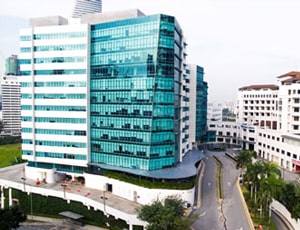
Parkway Pantai
Kuala Lumpur, Malaysia
Parkway Pantai located in Kuala Lumpur, Malaysia is accredited by JCI. Also listed below are some of the most prominent infrastructural details:
- Capacity of 335 beds
- 200+ specialist Doctors
- Critical Care Unit
- Neonatal Intensive Care Unit
- Operating Theatre
- International Patient Care Center
- Types of rooms available- Premier Suite, Supreme Suite, Deluxe Single Room, 2-bedded room, 4-bedded room, Deluxe Suite, Premier Single room, and Supreme Single room

Sunway Medical Centre
Kuala Lumpur, Malaysia
Sunway Medical Centre has initiated a comprehensive expansion plan close to its current hospital facility to enhance its ability to provide services to the global market. The new Cancer Radiosurgery Center and Nuclear Medicine Center, which will also house additional Centers of Excellence like the Digestive Health Center and Dialysis Center, marked the completion of Tower C's first phase in October 2016.

Prince Court Medical Centre
Kuala Lumpur, Malaysia
Prince Court is a private medical facility in the center of Kuala Lumpur that has 277 individual beds. Our dedication is to provide you with the best treatment possible from the time you arrive until you depart, healthier and happier. We are well-known for our top-notch facilities, cutting-edge technology, and friendly customer service.
Our Services to better your experience
Opinion & Option
We submit the most accurate opinion and options from one or more countries for your review
Consult Privately
Consult with a certified specialist privately on our telemedicine platform even before you decide to travel
Logistics
We handle flights, visas, transfers, and accommodation—so you can focus on your health.
Recovery
Our In-house rehabilitation service packages to better your recovery and treatment outcome
Why Choose Malaysia for Myelodysplastic Syndromes (MDS) Treatment?
Here are the reasons for selecting Malaysia for Myelodysplastic syndrome (MDS) treatment.
- Oncology Expertise: Malaysia has highly trained haematologists and specialised centres with experience treating MDS.
- Advanced Treatment Options: Cutting-edge treatments such as stem cell transplantation, immunotherapy, and targeted medicines are available.
- Cost-Effective Care: MDS therapy in Malaysia is cheaper than in many Western nations and provides excellent quality.
- International Patient Services: Malaysian hospitals provide multilingual support and personalised services to international patients.
- Accredited Healthcare Facilities: Leading Malaysian hospitals are JCI-accredited and provide high medical treatment standards.
Frequently Asked Questions
The life expectancy of individuals with Myelodysplastic Syndromes (MDS) in Malaysia varies according to age, health status, and sickness risk classification. The range of the median survival time is several months to over ten years. However, individual health and the severity of the condition can affect survival chances. Patients should consult with medical professionals to find out their specific prognosis and available treatments.
MDS and leukaemia involve the bone marrow and blood cells, but MDS is a disorder in which the bone marrow generates abnormal cells. In contrast, leukaemia is characterised by the fast, uncontrolled proliferation of defective blood cells. MDS is sometimes thought to be a precursor to leukaemia since it can progress to acute myeloid leukaemia (AML) in some circumstances; however, the two illnesses are separate.
While most cases of MDS are not inherited, specific gene changes can raise the chance of getting the disease. In rare situations, MDS can be inherited as part of a genetic condition, such as Fanconi anaemia. You should speak with a genetic counsellor if you have a family history of blood diseases.
In Malaysia, myelodysplastic syndromes (MDS) are indeed curable. The nation boasts cutting-edge medical facilities and skilled oncologists who provide therapies like stem cell transplants, chemotherapy, and tailored medications.
Adopting cutting-edge technology and individualised treatment in Malaysian medical facilities increases the likelihood that MDS patients will receive successful treatment and achieve better results.
For high-risk MDS and cases that progress to acute myeloid leukaemia, chemotherapy is frequently utilised.
Chemotherapy restores normal blood cell production by eliminating aberrant cells from the bone marrow.
Chemotherapy for MDS is offered in large cancer hospitals in Malaysia, where doctors create individualised treatment regimens.
With the right care, many MDS patients can lead comparatively normal lives. However, symptoms such as exhaustion, recurring infections, and the requirement for blood transfusions can significantly impact a person's life. Following treatment with stem cell transplants, medications, and blood transfusions, patients can typically maintain a high quality of life.
Myelodysplastic syndromes (MDS) are the subject of ongoing study in Malaysia, which is aided by organisations such as the Institute for Medical Study and the Clinical Research Centre. Globally, new therapies are promising, including the oral hypomethylating medication combo decitabine/cedazuridine and the telomerase inhibitor imetelstat. Although the availability of these medicines is still rising, there is promise for improved MDS care due to Malaysia's increasing participation in clinical trials.
Author

Alvina Hasan
Alvina Hasan is a dedicated medical researcher and scientific writer with a strong foundation in pharmaceutical sciences. She holds a B.Pharm from Jamia Hamdard University and an M.Pharm in Quality Assurance from DIPSAR University.
With deep medical expertise and a strong interest in healthcare communication, she focuses on transforming complex clinical and scientific information into clear, engaging, and easy-to-understand narratives. She develops insightful healthcare articles and research-driven content designed to support both medical professionals and patients, helping bridge the gap between advanced medical knowledge and practical understanding.
Readers can explore her published research and articles here:
https://carcinogenesis.com/index.php/JOC/article/view/868
https://carcinogenesis.com/index.php/JOC/article/view/870
View MoreReviewer

Dr. Mohit Agarwal
Medical Oncologist
14 Years of Experience
One of the finest Oncologist in New Delhi, India, Dr. Mohit Agarwal has worked with several world class multidisciplinary hospitals over the years. Dr. Mohit Agarwal has over 14+ years of experience in his field. The doctor treats and manages a wide range of conditions such as Stomach Cancer, Rectal Cancer, Breast Cancer, Brain Cancer View More
Last Reviewed - January 2026