Multiple myeloma Treatment in Malaysia
- Top Accredited Hospitals
- Global Medical Standards
- Cutting-Edge Technology
- Proven Treatment Options
- High Success Rate
- Trusted by Millions

What is Multiple myeloma?
Multiple myeloma is a rare blood malignancy that affects the plasma cells. Plasma cells are white blood cells that form part of your immune system. Plasma cells (also known as B-cells) produce antibodies. Immunoglobulins, or antibodies, aid in the fight against infection.
Multiple myeloma develops when healthy cells become abnormal and multiply, producing abnormal antibodies known as M proteins. This alteration triggers a chain reaction of medical problems and illnesses that can harm your bones, kidneys, and body's capacity to produce healthy white and red blood cells and platelets.
What is the Importance of Timely Treatment?
- Multiple myeloma should be treated timely to improve the outcome and quality of life. Early intervention slows disease progression and prevents consequences such as bone fractures, renal damage, and anaemia.
- It also enhances the chances of a more significant response to treatment, resulting in more profound and prolonged remission.
- Furthermore, treating the condition early can avoid organ damage, particularly in the kidneys, and considerably increase survival rates.
- Patients have a higher quality of life and fewer hospitalisations when symptoms like pain and exhaustion are managed early, so timely treatment is essential for the best results.
What are the Common Symptoms of Multiple myeloma?
Early in multiple myeloma, there may be no symptoms. When signs and symptoms occur, they may include:
- Bone discomfort, particularly in the spine, chest, and hips.
- Nausea.
- Constipation.
- Loss of appetite.
- Mental fog or confusion.
- Tiredness.
- Infections.
- Weight loss.
- Weakness.
- Thirst.
- Urinate frequently.
Stages of Multiple Myeloma
Cancer staging provides the foundation for treatment. The staging approach for multiple myeloma begins by classifying the condition into one of four categories:
- MGUS: Blood tests reveal tiny quantities of M protein; around 1% to 2% of patients with MGUS develop multiple myeloma.
- Solitary or isolated plasmacytomas: Refer to single groupings of abnormal plasma cells.
- SMM: A pre-cancerous type of multiple myeloma. People with SMM may experience minor symptoms, as well as tests revealing small amounts of M protein in their blood and an increase in plasma cells in their bone marrow.
- Multiple myeloma: This classification indicates that tests reveal many abnormal plasma cells, elevated M protein levels in blood or urine, and a high percentage of abnormal plasma cells in bone marrow.
Causes, Risk Factors and Complications of Multiple myeloma
Causes
Healthcare practitioners and researchers are unsure what causes multiple myeloma. Some probable causes they're looking into include:
- Genetic mutations: Researchers are investigating the relationship between modifying or changing oncogenes (cells that drive growth) and multiple myeloma. They also discovered that most persons with multiple myeloma do not have all the pieces of a particular chromosome.
- Environmental factors: Some studies reveal potential links between multiple myeloma and exposure to radiation or chemicals in pesticides or fertilisers.
- Having an inflammatory disease or condition, such as heart disease, Type 2 diabetes, or rheumatoid arthritis.
- Obesity: It refers to having high quantities of body fat.
Risk Factors
The following factors may raise the risk of multiple myeloma:
- Growing older: The majority of patients are diagnosed in their late sixties.
- Being Male: Men are more prone to contract the condition than women.
- Have a family history of multiple myeloma: Having a brother or parent with numerous myeloma raises the chance of the disease.
- Having monoclonal gammopathy of unknown significance, or MGUS: Multiple myeloma begins with MGUS, doubling the risk.
Complications
The complications of multiple myeloma include:
- Infections: Having multiple myeloma reduces the body's ability to fight infections.
- Bone issues: Multiple myeloma can cause bone discomfort, weakening, and fractures.
- Kidney issues: Multiple myeloma can impair renal function. It can cause renal failure.
- Anaemia is characterised by a low number of red blood cells: Multiple myeloma cells squeeze out healthy blood cells, which can lead to anaemia and other blood disorders.
Connect with our advisor for a PRIORITY response
Latest Research and Technologies in the Treatment of Multiple Myeloma in Malaysia
- The use of CAR-T cell therapy for relapsed instances and the licensure of XPOVIO are two developments in multiple myeloma treatment in Malaysia that give patients with refractory or relapsed disease additional choices.
Multiple Myeloma Prevention Tips
Some preventative tips for multiple myeloma:
- Regular health exams and blood testing allow for early detection.
- A healthy lifestyle includes eating a well-balanced diet, staying physically active, and avoiding smoking and excessive alcohol consumption.
- To lower the risk, manage chronic conditions such as obesity, diabetes, and hypertension.
- Toxic exposure should be kept to a minimum.
- If you have a family history of blood cancer, you should get regular check-ups and genetic counselling.
These strategies can help manage risk factors and encourage early detection.
Treatment options for Multiple myeloma
Treatments may include:
Targeted therapy: Therapy with a specific goal in mind. Targeted therapy employs medications that target specific molecules in cancer cells. Targeted medications that block these molecules can kill cancer cells.
Cost Start From USD 2000 - USD 10000Explore Options
Immunotherapy: Immunotherapy is a medicine-based treatment that stimulates the immune system to attack cancer cells.
Cost Start From USD 15000 - USD 50000Explore Options
CAR-T cell therapy: Chimeric antigen receptor T cell treatment, also known as CAR-T cell therapy, prepares your immune system cells to combat multiple myeloma. This treatment starts by removing some white blood cells, especially T cells, from your blood. The cells are transferred to a laboratory. In the lab, cells are treated to produce specific receptors. The receptors aid cells recognise a marker on the surface of myeloma cells.
Cost Start From USD 75000 - USD 125000Explore Options
Chemotherapy: It is a treatment that uses strong medications to kill cancer cells. The medicines kill rapidly growing cells, including myeloma cells.
Cost Start From USD 1500 - USD 3500Explore Options
Bone marrow transplants: A bone marrow transplant, also known as a stem cell transplant, involves replacing damaged bone marrow with healthy bone marrow.
Radiation therapy: Radiation therapy uses high-energy beams to attack cancer cells. Energy can be derived from X-rays, protons, or other sources.
The following tests and procedures diagnose multiple myeloma:
- Complete blood count (CBC): This test counts the amount of haemoglobin in your red and white blood cells and their concentration.
- Blood chemistry test: This test measures creatine levels (how well your kidneys function), albumin levels (a protein), calcium levels, and lactic dehydrogenase levels (LDH). LDH is a tumour marker.
- Quantitative immunoglobulin test: This blood test evaluates the amounts of specific antibodies in your bloodstream.
- Electrophoresis: This test detects M proteins in your bloodstream.
- Urine tests: Your healthcare practitioner may ask you to collect your urine at home for 24 hours so that they can test for Bence Jones protein, another marker of multiple myeloma.
- X-rays: Healthcare providers utilise X-rays to detect bone deterioration caused by multiple myeloma.
- Computed tomography (CT) scan is another method for detecting bone deterioration.
- Magnetic resonance imaging (MRI): This test combines radio waves and powerful magnets to produce detailed images of your bones and spine.
- Positron emission tomography (PET) scan: Another test for plasmacytomas.
- Bone marrow biopsies: Healthcare practitioners may perform bone marrow biopsies to determine the proportion of normal and abnormal plasma cells in your bone marrow.
Multiple myeloma rehabilitation focuses on enhancing quality of life, symptom management, and physical and mental recovery. Here are some main rehab options:
- Physical rehabilitation: Tailored exercise programs can assist in enhancing muscle strength, flexibility, and mobility while reducing tiredness.
- Pain Management: Physical therapy and other therapies (such as heat and massage) can help relieve bone pain and other physical symptoms.
- Dietary Management: Eating a well-balanced diet helps to maintain strength, manage medication side effects, and promote general health.
- Psychosocial support: Therapy or joining a support group can help cancer patients deal with the emotional and mental challenges of their treatment.
MediGence can assist and guide you in selecting the best physician and medical facility for your care.
Depending on the circumstances, your doctor may prescribe medication to assist you in managing your symptoms and support your treatment plan.
Treatment regimens are adapted to the patient's specific cancer stage and location.
Instantly Connect with our Specialists


Hospitals for Multiple myeloma in Malaysia
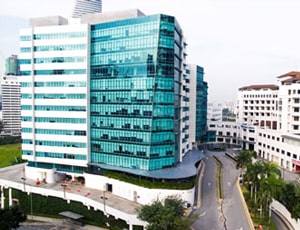
Parkway Pantai
Kuala Lumpur, Malaysia
Parkway Pantai located in Kuala Lumpur, Malaysia is accredited by JCI. Also listed below are some of the most prominent infrastructural details:
- Capacity of 335 beds
- 200+ specialist Doctors
- Critical Care Unit
- Neonatal Intensive Care Unit
- Operating Theatre
- International Patient Care Center
- Types of rooms available- Premier Suite, Supreme Suite, Deluxe Single Room, 2-bedded room, 4-bedded room, Deluxe Suite, Premier Single room, and Supreme Single room

Sunway Medical Centre
Kuala Lumpur, Malaysia
Sunway Medical Centre has initiated a comprehensive expansion plan close to its current hospital facility to enhance its ability to provide services to the global market. The new Cancer Radiosurgery Center and Nuclear Medicine Center, which will also house additional Centers of Excellence like the Digestive Health Center and Dialysis Center, marked the completion of Tower C's first phase in October 2016.

Prince Court Medical Centre
Kuala Lumpur, Malaysia
Prince Court is a private medical facility in the center of Kuala Lumpur that has 277 individual beds. Our dedication is to provide you with the best treatment possible from the time you arrive until you depart, healthier and happier. We are well-known for our top-notch facilities, cutting-edge technology, and friendly customer service.
Our Services to better your experience
Opinion & Option
We submit the most accurate opinion and options from one or more countries for your review
Consult Privately
Consult with a certified specialist privately on our telemedicine platform even before you decide to travel
Logistics
We handle flights, visas, transfers, and accommodation—so you can focus on your health.
Recovery
Our In-house rehabilitation service packages to better your recovery and treatment outcome
Why Choose Malaysia for Multiple Myeloma Treatment?
Here are some of the reasons for choosing Malaysia:
- Advanced Treatment Options: Malaysia provides cutting-edge immunomodulatory medications, proteasome inhibitors, stem cell transplantation, and CAR T cells.
- Expert Oncologists: Malaysia offers extremely qualified haematologists and oncologists with extensive worldwide expertise in treating multiple myeloma.
- Accredited Hospitals: Leading Malaysian hospitals are JCI-accredited, guaranteeing high-quality care and cutting-edge medical facilities.
- Cost-Effective Care: Treatment in Malaysia is substantially less expensive than in Western countries, and quality is not compromised.
- International Patient Services: We provide seamless care with multilingual support, making it easy for international patients to receive treatment.
Frequently Asked Questions
In Malaysia, a bone marrow transplant, sometimes referred to as a stem cell transplant, is a viable therapy option for multiple myeloma.
Depending on the patient's condition, both autologous and allogeneic stem cell transplants are available at renowned hospitals nationwide.
Highly skilled oncologists and haematologists perform these treatments, utilising state-of-the-art equipment to maximise patient outcomes.
The stage of the disease determines the prognosis for multiple myeloma in Malaysia, as well as the patient's general condition and response to treatment.
Advanced treatment options include immunotherapy, chemotherapy, and stem cell transplants help many patients by improving their quality of life and extending remissions.
Disease management in Malaysia is enhanced by early diagnosis and customized treatment options.
To improve treatment, Malaysia participates in numerous myeloma clinical trials, including Phase 3 studies on novel treatments like teclistamab and pomalidomide. It also contributes to sizable regional research networks.
Treating multiple myeloma during pregnancy requires a careful, individualised approach, as many standard treatments are contraindicated. In such circumstances, doctors would closely evaluate the mother's and baby's health and consider the safest treatment alternatives during pregnancy.
Immunotherapy is a promising treatment option for multiple myeloma. In Malaysia, immune checkpoint inhibitors and monoclonal antibodies assist the immune system in targeting and destroying malignant cells.
In Malaysia, multiple myeloma (MM) survival rates differ depending on the disease's stage and the availability of treatment. With one-year and two-year overall survival rates of 82% and 70%, respectively, a study from a tertiary referral centre in Malaysia revealed a median overall survival that was not met. Additionally, this study discovered that improved progression-free survival (PFS) and OS were linked to maintenance medication and the lack of renal impairment. These differences demonstrate how patient demographics, treatment regimens, and early identification affect MM survival rates.
In Malaysia, autologous stem cell transplants (ASCT) employ the patient's cells, whereas allogeneic stem cell transplants use donor cells. Both procedures are available in specialised centres for the treatment of multiple myeloma.
Yes, advanced multiple myeloma can still be treated with immunotherapy, targeted treatments, and stem cell transplantation. Palliative treatment is also available to alleviate symptoms and improve quality of life.

Reviewer

Dr. Mohit Agarwal
Medical Oncologist
14 Years of Experience
One of the finest Oncologist in New Delhi, India, Dr. Mohit Agarwal has worked with several world class multidisciplinary hospitals over the years. Dr. Mohit Agarwal has over 14+ years of experience in his field. The doctor treats and manages a wide range of conditions such as Stomach Cancer, Rectal Cancer, Breast Cancer, Brain Cancer View More
Last Reviewed - January 2026