Germ Cell Ovarian Cancer Treatment in Malaysia
- Top Accredited Hospitals
- Global Medical Standards
- Cutting-Edge Technology
- Proven Treatment Options
- High Success Rate
- Trusted by Millions

What is Germ Cell Ovarian Cancer?
Reproductive cells (germ cells) in your ovaries give birth to ovarian germ cell cancers. The ovaries and two small pelvic glands are essential for the female reproductive tract. During fertile times, they produce eggs. Someday, the germ cells in your ovaries mature and turn into eggs, or "germ"-inate. When an ovarian germ cell tumor happens, some cells mass together to form a misshapen lump.
Ovarian germ cell tumors often develop in only one ovary but occasionally occur in both.
Most ovarian germ cell tumors are benign (not cancerous) and rarely become malignant (cancerous). Malignant germ cell tumors, which have the potential to spread and harm normal tissue, are an uncommon type of ovarian cancer.
Types of Germ Cell Ovarian Cancer
These are the most common types of ovarian germ cell tumors:
Mature teratoma (Dermoid Cyst): The most common type of ovarian germ cell tumors are mature teratomas, or dermoid cysts, which are benign tumors. Most diagnosed individuals are in their teens, twenties, or thirties.
Dysgerminoma: The most common type of cancerous ovarian germ cell tumor is referred to as a dysgerminoma. Most tumors (70 percent of the diagnosis) are not believed to be aggressive (rapid-spreading) and respond well to treatment. Most individuals with diagnoses fall in their 20s or 30s.
Immature teratoma: A fast-growing malignant tumor, an immature teratoma can metastasise—spread from your ovary to other areas of your body. It is more common in people under the age of twenty.
Endodermal sinus tumors or yolk sac tumors are cancers that metastasise rapidly. They are most common in those below the age of twenty. Children who have not yet commenced their periods are affected in up to 40% of the diagnoses.
Mixed germ cell tumors: Malignant tumors referred to as mixed germ cell tumors usually include a mixture of yolk sac and dysgerminoma tumors.
What is the Importance of Timely Treatment?
Early treatment is crucial to enhance survival and preserve fertility in germ cell ovarian malignancy. Early treatment, including surgery and chemotherapy, offers a greater chance of eradicating the tumor and halting its spread. Delayed treatment can lead to metastases, issues, and reduced conceptions. Early treatment is most beneficial for remission, organ function, and quality of life.
What are the Common Symptoms of Germ Cell Ovarian Cancer?
The early detection of ovarian germ cell cancers may be challenging. Unless they are extensive, benign tumors might not show symptoms, while symptoms of malignant tumors cannot appear until the malignancy has progressed.
Some symptoms to look out out for are:
- Soreness, discomfort, or pain in the abdomen. (This could be severe and start abruptly.)
- Belly bloat, whether or not you have gained weight elsewhere.
- Alterations in bowel habits, like constipation or diarrhea.
- Modifications in your eating patterns, such as a decrease in appetite.
- Irregular vaginal bleeding
Causes and Risk Factors of Germ Cell Ovarian Cancer
Causes
Sex cells, or germ cells, may change (mutate) and grow into ovarian germ cell tumors. Researchers continue to study the reasons behind these tumours and the chances of getting them.
Ovarian germ cell tumours may affect anyone with ovaries, yet they are much more prevalent in those who are younger and in their reproductive years
Risk Factors
The following are germ cell ovarian cancer risk factors:
- Family history of ovarian cancer.
- Genetic conditions like Turner syndrome or Gonadal dysgenesis.
- Hereditary genetic mutations, including BRCA1 and BRCA2.
- Age: This is usually seen in young women and adolescents.
- Previous history of various tumours (e.g., breast, colon).
- Infertility.
Connect with our advisor for a PRIORITY response
Latest Research and Technologies in the Treatment of Germ Cell Ovarian Cancer in Malaysia
Surgery, usually a unilateral salpingo-oophorectomy, is used to treat ovarian germ cell cancer in Malaysia. Chemotherapy regimens are then used to eradicate any remaining cancer cells. Many patients are able to continue having children after therapy, making fertility preservation a top priority. For young ladies with this rare malignancy, specialized centers in Malaysia provide individualised care that incorporates the most recent developments in chemotherapy and surgery, guaranteeing the best possible outcome.
Germ Cell Ovarian Cancer Prevention Tips
There is no method for preventing germ cell cancer. However, regular check-ups can enable your physician to monitor your health and assess your cancer risk.
Treatment options for Germ Cell Ovarian Cancer
Surgery: Your doctor might suggest having an oophorectomy to have either one or both of your ovaries or your fallopian tubes removed. If cancer extends beyond your fallopian tubes and ovaries, you would have a total hysterectomy done to have your cervix and uterus removed.
Chemotherapy: When you have chemotherapy, your doctor administers medicine into your veins, typically through an infusion. Chemotherapy medications destroy cancerous cells and prevent them from growing. You'll get chemo treatments for many weeks or even months.
Cost Start From USD 1500 - USD 3500Explore Options
- Imagingtests: If a doctor suspects an ovarian germ cell tumor, they often order a transvaginal ultrasound as the initial imaging study. This test allows your physician to examine your abdomen for growths.
- Your diagnosis may also necessitate a magnetic resonance imaging (MRI) or computed tomography (CT) scan. These tests will show more detail than an ultrasound.
- Blood tests: A test for serum tumor markers may be required to measure the levels of certain chemicals in your body. Ovarian germ cell cancers can be suggested by higher levels of human chorionic gonadotropin (HCG), lactate dehydrogenase (LDH), or alpha-fetoprotein (AFP).
MediRehab (a chain of Rehab centres, part of MediGence) provides comprehensive rehabilitation services to support patients through Teleconsulations and online therapy sessions.
- Physicaltherapy, using manual lymphatic drainage and specific exercises, may help control lymphedema in patients who develop swelling after surgery.
- Post-surgicalrehabilitation helps the patient regain strength, flexibility, and mobility, especially if the patient underwent an oophorectomy or hysterectomy.
Depending on the situation, your healthcare professional may prescribe medicine to help control your symptoms and support the treatment plan.
Instantly Connect with our Specialists


Hospitals for Germ Cell Ovarian Cancer in Malaysia
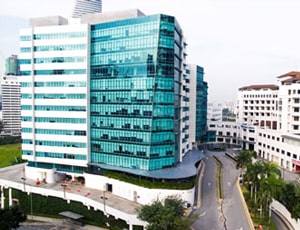
Parkway Pantai
Kuala Lumpur, Malaysia
Parkway Pantai located in Kuala Lumpur, Malaysia is accredited by JCI. Also listed below are some of the most prominent infrastructural details:
- Capacity of 335 beds
- 200+ specialist Doctors
- Critical Care Unit
- Neonatal Intensive Care Unit
- Operating Theatre
- International Patient Care Center
- Types of rooms available- Premier Suite, Supreme Suite, Deluxe Single Room, 2-bedded room, 4-bedded room, Deluxe Suite, Premier Single room, and Supreme Single room

Sunway Medical Centre
Kuala Lumpur, Malaysia
Sunway Medical Centre has initiated a comprehensive expansion plan close to its current hospital facility to enhance its ability to provide services to the global market. The new Cancer Radiosurgery Center and Nuclear Medicine Center, which will also house additional Centers of Excellence like the Digestive Health Center and Dialysis Center, marked the completion of Tower C's first phase in October 2016.

Prince Court Medical Centre
Kuala Lumpur, Malaysia
Prince Court is a private medical facility in the center of Kuala Lumpur that has 277 individual beds. Our dedication is to provide you with the best treatment possible from the time you arrive until you depart, healthier and happier. We are well-known for our top-notch facilities, cutting-edge technology, and friendly customer service.
Our Services to better your experience
Opinion & Option
We submit the most accurate opinion and options from one or more countries for your review
Consult Privately
Consult with a certified specialist privately on our telemedicine platform even before you decide to travel
Logistics
We handle flights, visas, transfers, and accommodation—so you can focus on your health.
Recovery
Our In-house rehabilitation service packages to better your recovery and treatment outcome
Why Choose Malaysia for Germ Cell Ovarian Cancer Treatment?
Here are some of the reasons for choosing Malaysia:
- Due to advancements in medical facilities, such as minimally invasive surgical techniques.
- World-class experts include highly experienced doctors and JCI-accredited healthcare institutions.
- Compared to other countries, treatment in hospitals in Malaysia is cost-effective.
- Malaysian hospitals provide International patient services, including a multilingual support system.
- Improved treatment methods and biological therapies.
Frequently Asked Questions
To determine whether a tumor is malignant or not, medical experts apply a process called staging to classify the malignancy. They use imaging methods like positron emission tomography (PET) and CT scans to assess the size and pinpoint the tumour. For the most part, cancer is easier to treat when it is in an earlier stage.
The following are the stages of malignant ovarian germ cell tumors:
Stage 1: The malignancy is confined to your ovaries alone.
Stage 2: Your fallopian tubes or uterus are part of the other pelvic tissues where cancer has spread.
Stage 3: While the cancer has not yet spread beyond your abdomen, it has invaded your lymph nodes and the peritoneum, the lining of your pelvic organs and abdominal cavity.
Stage 4 (metastatic cancer): The cancer has spread to organs and tissues beyond your abdomen, for example, your lungs, or it has grown into your liver or spleen.
No, germ cell ovarian cancer is not very common. Only 2% to 5% of all ovarian cancers are due to it. This type of cancer occurs more in women younger than 30 and predominantly in young women, often in their reproductive years. Although less prevalent than other forms of ovarian cancer, its potential impact on fertility and overall health makes it a cause for concern.
Despite being uncommon, germ cell ovarian cancer is more prevalent in women under 30 who have a family history or hereditary disorders such as BRCA1/BRCA2. Endometriosis, PCOS, infertility, specific ethnicities, and prior germ cell malignancy are risk factors.
A healthy lifestyle and routine examinations help with early identification and treatment success, although germ cell ovarian cancer cannot be prevented entirely. Genetic counselling and testing aid risk assessment for people with a family history or genetic susceptibility.
Treatments for germ cell ovarian cancer, such as radiation, chemotherapy, and surgery, might alter hormone levels, causing irregular periods or early menopause. Infertility can also result from ovarian injury, though some women may continue to have regular monthly periods if one ovary is undamaged.
Particularly in individuals who are young or have a family history, genetic testing for germ cell ovarian cancer may aid in the identification of BRCA1/BRCA2 mutations. It can help determine treatment options and evaluate the risk of family members.
Treatment for germ cell ovarian cancer takes different amounts of time; in early-stage instances, surgery and three to six months of chemotherapy are necessary. Advanced stages may require radiation, chemotherapy, and surgery, extending treatment for at least six to twelve months and requiring continuous monitoring.
Malaysia is a cost-effective choice for those seeking treatment because it provides top-notch medical care at affordable costs compared to several Western nations.
Yes, the Malaysian healthcare system accepts patients from abroad and provides excellent GCOC treatments at many clinics and hospitals.
Yes, many hospitals in Malaysia offer in-person and online consultations to foreign patients who want a second opinion. You can get support by speaking with a medical tourism facilitator at MediGence to select the best doctor and facility. It provides specialised rehabilitation programs.

Reviewer

Dr. Mohit Agarwal
Medical Oncologist
14 Years of Experience
One of the finest Oncologist in New Delhi, India, Dr. Mohit Agarwal has worked with several world class multidisciplinary hospitals over the years. Dr. Mohit Agarwal has over 14+ years of experience in his field. The doctor treats and manages a wide range of conditions such as Stomach Cancer, Rectal Cancer, Breast Cancer, Brain Cancer View More
Last Reviewed - January 2026