End-Stage Renal Disease Treatment in Malaysia
- Top Accredited Hospitals
- Global Medical Standards
- Cutting-Edge Technology
- Proven Treatment Options
- High Success Rate
- Trusted by Millions

What is End-Stage Renal Disease?
At this stage, the kidney tissues are severely damaged and cannot maintain the normal balance of fluids, electrolytes, and waste products. At about 90% loss of kidney function, the body no longer performs the vital functions it used to perform but continues to suffer complications within the patient.
What is the Importance of Timely Treatment?
Prevention of Complications
Early intervention is intended to prevent kidney damage from further progression, reduce the risk of serious complications, including heart disease, electrolyte imbalances, and fluid overload from untreated ESRD, and improve quality of life.
Improves Quality of Life
ESRD patients can lead semi-normal lives with little fatigue and possibly improve nausea or swelling through dialysis or transplantation treatments with an early diagnosis and treatment.
Increases Survival
Actions taken promptly, like dialysis and transplant, directly contribute to the longevity of patients suffering from ESRD, as they treat the loss of kidney function before such loss of function becomes immediately life-threatening.
Reduces Emergency Care
Continuous follow-up and early treatment help prevent costly and troublesome emergency hospitalisations related to complications from kidney failure.
Options for Treatment
Early treatment decisions are vital so patients can consider various options, such as preemptive kidney transplants, home dialysis, and lifestyle changes, with long-term favourable outcomes.
What are the Common Symptoms of End-Stage Renal Disease?
- Fatigue and Weakness
- Swelling (Edema)
- Shortness of Breath
- Nausea and Vomiting
- Changes in Urination
- High Blood Pressure (Hypertension)
- Confusion and Difficulty Concentrating
- Loss of Appetite and Weight Loss
- Itching (Pruritus)
- Chest Pain
Causes and Risk Factors of End-Stage Renal Disease
Causes
- Chronic Kidney Disease (CKD)
- Diabetes (Type 1 and Type 2)
- Hypertension (High Blood Pressure)
- Polycystic Kidney Disease (PKD)
- Glomerulonephritis
- Obstructive Kidney Disease
- Recurrent Urinary Tract Infections (UTIs)
Risk Factors
- Chronic Kidney Disease (CKD)
- Diabetes (Type 1 and Type 2)
- Hypertension (High Blood Pressure)
- Polycystic Kidney Disease (PKD)
- Glomerulonephritis
- Obstructive Kidney Disease
- Recurrent Urinary Tract Infections (UTIs)
Connect with our advisor for a PRIORITY response
Latest Research and Technologies in the Treatment of End-Stage Renal Disease in Malaysia
Treatment for End Stage Renal Disease (ESRD) in Malaysia has witnessed advancement in terms of expanded dialysis infrastructures, increasing use of peritoneal dialysis and new technologies such as artificial wear-and-tear kidneys. Most importantly, this is the reason why diabetes stands as the leading cause of ESRD and how the government is moving prevention towards early screening and management of chronic diseases. Innovations are also coming into vascular access, competing with the growing influence of interventional nephrologists to improve patient outcomes. That shows the national effort to address the escalating burden of ESRD across the continuum, in modern care, prevention, and advanced technological development.
End-Stage Renal Disease Prevention Tips
Early Diagnosis and Treatment
Early diagnosis and treatment of MG could reduce the severity of symptoms and prevent complications. Therefore, regular doctor follow-ups are vital in initiating early intervention and continued disease monitoring.
.
Stress Management
Stress exacerbates MG symptoms. Therefore, it is advisable to integrate stress-reducing techniques into your daily life, such as meditation, deep breathing exercises, or yoga, to help control stress levels.
Infection Avoidance
Infection caused by viral or bacterial illness may trigger MG or worsen its symptoms. Good hygiene and germ care are recommended; frequent hand washing aids in preventing infections, and vaccination for preventable diseases such as flu or pneumonia is recommended.
Awareness of Medications
Certain medications, such as antibiotics, beta-blockers, or statins, may aggravate MG symptoms. Therefore, always consult your doctor before taking any new medicines, and do not self-medicate to protect your treatment plan.
Physical Activity Must Be Regular
Moderate exercise will help you maintain muscle strength. Find the proper balance of activity that will not cause fatigue or strain; fatigue is a common symptom of MG.
Treatment options for End-Stage Renal Disease
The treatment for End-Stage Renal Disease requires evaluating the patient's severity and medical condition. The following are the treatment options:
Hemodialysis : A process in which blood is purified out of the body and filtered through a machine, usually done at a dialysis centre. The procedure is done three to four times a week.
Cost Start From USD 70 - USD 120Explore Options
Peritoneal Dialysis : The patient uses their peritoneal cavity (the inside of the abdomen) to filter with dialysis fluid exchanged through the catheter. This can be done at home.
Cost Start From USD 2000 - USD 3000Explore Options
Kidney Transplant : This is the most definitive treatment for ESRD, wherein a healthy kidney from a living or deceased donor is transplanted into the patient in place of the diseased kidneys, giving a chance for everyday life without the need for dialysis.
These are the standard diagnostic methods for diagnosing End-Stage Renal Disease:
Blood test
- Serum Creatinine: Increased serum levels indicate poorly functioning kidneys, as creatinine is a waste product usually filtered out by healthy kidneys.
- Blood Urea Nitrogen (BUN): If present in high amounts, it could indicate impending kidney dysfunction, as the kidneys filter out urea.
- Glomerular Filtration Rate (GFR): A GFR measures the amount of blood that filters through the kidneys.
Urine Tests
- Urinalysis: A test performed to detect abnormalities in urine, such as protein or blood, which signify any damage done to the kidneys.
Imaging Studies
- Ultrasound: Gives clear pictures of the kidney's size, structural integrity, and any blockages or abnormalities generated in their detection of causative issues for possible ESRD, like cysts or blockages.
- CT Scan/MRI: These can produce more detailed images of the kidneys, which the doctors can use to check for structural problems or damage.
Kidney Biopsy
- In some cases, a kidney biopsy may be performed to evaluate the kidney tissue under a microscope and help further pinpoint the cause of ESRD, such as glomerulonephritis or polycystic kidney disease.
Electrolyte Testing
- Electrolyte testing evaluates potassium, sodium, and calcium levels in the blood since ESRD may result in severe disturbances in the electrolyte levels that must be strictly controlled.
MediRehab (a chain of Rehab centres, part of MediGence) provides comprehensive rehabilitation services to support patients through Teleconsulations and online therapy sessions.
Dialysis Training and Assistance
The rehabilitation programs prepare the patients to bring independence into home dialysis management, including regular monitoring and diet adjustments for safe treatments.
Occupational therapy
It covers those activities set to bring back muscle strength, mobility, and endurance that ESRD and the treatment with dialysis have replaced or reduced from the inside of a person's body.
Nutrition Counseling
Dietitians create kidney-friendly meal plans that help manage electrolytes, protein, and fluid intake to prevent complications like hyperkalemia.
Psychological Support
Patients with End-stage Renal Disease are helped in the emotional aspects of their lived experience through counselling and support groups to battle depression and anxiety.
Education on Transplantation
It provides an orientation to kidney transplant candidates to prepare them for organ transplantation. Orientation includes the pre-transplant process, medications after transplantation, and lifestyle changes post-transplantation.
Medications for ESRD usually target complications- anaemia, hypertension, and fluid overload- with antihypertensive medicines, erythropoiesis-stimulating agents, and diuretics. Phosphate binders, potassium binders, and vitamin D supplements help control mineral imbalances. In addition, patients who receive transplants take immunosuppressants to prevent kidney rejection and maintain function.
Instantly Connect with our Specialists


Hospitals for End-Stage Renal Disease in Malaysia
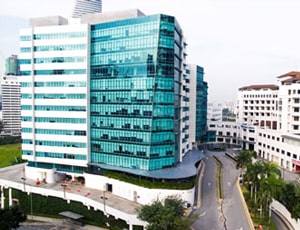
Parkway Pantai
Kuala Lumpur, Malaysia
Parkway Pantai located in Kuala Lumpur, Malaysia is accredited by JCI. Also listed below are some of the most prominent infrastructural details:
- Capacity of 335 beds
- 200+ specialist Doctors
- Critical Care Unit
- Neonatal Intensive Care Unit
- Operating Theatre
- International Patient Care Center
- Types of rooms available- Premier Suite, Supreme Suite, Deluxe Single Room, 2-bedded room, 4-bedded room, Deluxe Suite, Premier Single room, and Supreme Single room

Sunway Medical Centre
Kuala Lumpur, Malaysia
Sunway Medical Centre has initiated a comprehensive expansion plan close to its current hospital facility to enhance its ability to provide services to the global market. The new Cancer Radiosurgery Center and Nuclear Medicine Center, which will also house additional Centers of Excellence like the Digestive Health Center and Dialysis Center, marked the completion of Tower C's first phase in October 2016.

Damansara Specialist Hospital, Petaling Jaya
Petaling Jaya, Malaysia
- KPJ Damansara Specialist Hospital offers specialised healthcare across cardiology, oncology, orthopedics, neurology, gastroenterology, nephrology, women’s health, pediatrics, ENT, and minimally invasive surgery. The hospital provides advanced diagnostics, rehabilitation, cardiac care, neurosurgery, wellness programs, and preventive healthcare supported by multidisciplinary specialists and patient-centred clinical protocols. Equipped with modern medical technologies and safety-driven systems, it focuses on evidence-based treatment, personalised care planning, and quality healthcare delivery
Our Services to better your experience
Opinion & Option
We submit the most accurate opinion and options from one or more countries for your review
Consult Privately
Consult with a certified specialist privately on our telemedicine platform even before you decide to travel
Logistics
We handle flights, visas, transfers, and accommodation—so you can focus on your health.
Recovery
Our In-house rehabilitation service packages to better your recovery and treatment outcome
Why Choose Malaysia for End-Stage Renal Disease Treatment?
- Advanced Medical Facilities in Malaysia: All facilities have advanced, accurate diagnosis and treatment equipment.
- Experienced Specialists: Most Arab doctors are further trained abroad and have long experience treating chronic painful conditions. MediGlobus.
- Affordable Treatments: In Malaysia, high-quality medical services are available at much lower rates than in several other countries.
- Comprehensive Treatment Options: Malaysia has all the treatment modalities, from minimally invasive procedures to holistic therapies.
- Cultural and Touristic Interest: Individuals can enjoy their treatment by visiting Malaysia's rich culture and landscapes.
Frequently Asked Questions
It is vital for surviving Dialysis or a kidney transplant. Supportive care and medication will manage the patient's symptoms but not replace the kidney's needed function.
The lifespan of a patient with ESRD depends on the treatment type, the patient's general health status, and how well the complications have been managed. Dialysis patients may survive for several years, while kidney transplants offer better long-term results.
Good management of diabetes and hypertension, coupled with leading a healthy lifestyle, including proper diet, regular exercise, and no smoking, can slow down the disease progression to end-stage renal disease.
Provided proper treatment, the condition can allow a Patient suffering from end-stage renal disease to live a relatively normal life. However, lifestyle modifications, medical monitoring, and adherence to treatment plans must be taken up.
The dialysis schedule depends upon the type of dialysis on which an individual is kept on dialysis (peritoneal or hemodialysis); generally speaking, a hemodialysis patient will require about 3-4 treatments weekly or may require daily therapies for peritoneal dialysis.
Malaysia has leading hospitals for neuromuscular disorders, including Myasthenia Gravis.
Malaysia invites foreign patients to utilise its medical services focused on this condition.
Dialysis is usually required 2-3 times a week, but home treatment is also an option with automated peritoneal dialysis, which allows for more flexible scheduling.
They will usually have to take medications to control blood pressure, manage electrolyte imbalances, prevent infection, and provide for immunosuppression after having had a transplant.
There are some hereditary forms of ESRD, such as polycystic kidney disease, although the majority are related to lifestyles, including diabetes and high blood pressure.
It depends on the person and the management of their condition. Many ESRD patients, especially those with regular dialysis schedules, can work and travel.

Reviewer

Dr. Akash Khandelwal
Hematologist
9 Years of Experience
Dr. Akash Khandelwal is a distinguished Hematologist, Hemato-oncologist, and Bone Marrow Transplant (BMT) Physician with extensive training from the prestigious AIIMS New Delhi. His expertise encompasses a wide range of specialized techniques in bone marrow transplantation, including autologous and allogeneic transplants such as matched sibling donors, matched unrelated donors (MUD), and haploidentical donor transplants. Dr. Khandelwal has personally supervised and conducted over 100 bone marrow transplants. View More
Last Reviewed - January 2026