Dravet Syndrome Treatment in Thailand
- Top Accredited Hospitals
- Global Medical Standards
- Cutting-Edge Technology
- Proven Treatment Options
- High Success Rate
- Trusted by Millions

What is Dravet Syndrome?
Dravet Syndrome is a developmental and epileptic encephalopathy that typically begins during the first year of life in an otherwise normally developing infant. Seizures are often prolonged, may be triggered by fever or temperature changes, and can become difficult to control. As the condition progresses, other seizure types, developmental delays, movement and coordination difficulties, behavioural concerns, and learning problems may develop.
What is the Importance of Timely Treatment?
Timely diagnosis and treatment help control seizures, reduce prolonged seizure episodes and seizure-related injuries, monitor developmental changes, and provide appropriate supportive therapies. Early specialist management is particularly important because some commonly used antiseizure medicines can worsen seizures in people with Dravet Syndrome.
What are the Common Symptoms of Dravet Syndrome?
- Prolonged Seizures: Seizures may last several minutes or longer and can require urgent medical management.
- Fever-Triggered Seizures: Fever, illness, overheating, or sudden temperature changes may trigger seizures.
- Multiple Seizure Types: Children may develop myoclonic, absence, focal, or other seizure types as the condition progresses.
- Developmental Difficulties: Development may slow, or developmental delays may become noticeable during early childhood.
- Movement and Coordination Problems: Some individuals develop balance, walking, coordination, or motor difficulties.
- Behavioural and Learning Difficulties: As the condition progresses, attention, communication, learning, and behavioural challenges may occur.
Causes and Risk Factors of Dravet Syndrome
Causes
- SCN1A Gene Variant: Most cases involve a pathogenic variant in the SCN1A gene, which plays an important role in neuronal sodium-channel function.
- Altered Neuronal Function: Changes in sodium-channel activity can disrupt the balance of electrical activity in the brain and increase seizure susceptibility.
- De Novo Genetic Changes: In most affected individuals, the SCN1A variant occurs spontaneously and is not inherited from either parent.
- Other Genetic Causes: A small proportion of patients may have Dravet-like epilepsy associated with other genetic abnormalities.
- Unknown Cause: In some clinically suspected cases, clinicians may not initially identify a specific genetic cause.
Risk Factors
- Early-Onset Seizures: Seizures beginning during infancy, particularly prolonged or hemiclonic seizures, are an important clinical feature.
- Fever-Associated Seizures: Seizures frequently associated with fever or temperature changes may raise suspicion.
- Family History: A family history is uncommon because most cases result from new genetic changes, although inherited SCN1A variants can occasionally occur.
- Seizure Characteristics: Prolonged, recurrent, or multiple seizure types during infancy may be associated with the condition.
Latest Research and Technologies in the Treatment of Dravet Syndrome in Thailand
- In Thailand, multidisciplinary and precision-based approaches to the management of Dravet syndrome, a severe developmental and epileptic encephalopathy most commonly associated with SCN1A variants, are being investigated. Current research is moving toward precision and disease-modifying therapies, including SCN1A-targeted gene-regulation approaches such as ETX101 and antisense oligonucleotide therapies, alongside advanced EEG monitoring and genetic-guided treatment strategies.
Treatment options for Dravet Syndrome
Treatment is individualised according to seizure type, age, genetic findings, treatment response, developmental status, and overall health. Options may include:
Vagus Nerve Stimulation : VNS may be considered for some patients whose seizures remain difficult to control.
Cost Start From 24000Explore Options
Emergency Seizure Treatment : Rescue medicines may be prescribed to manage prolonged or cluster seizures.
- Clinical assessment:
- Seizure History: Detailed evaluation of seizure onset, duration, triggers, frequency, and different seizure types.
- Neurological Examination: Assessment of muscle tone, strength, reflexes, coordination, and neurological function.
- Developmental Assessment: Evaluation of cognitive, language, motor, and developmental progress.
- Behavioural Assessment: Assessment of attention, communication, behaviour, and emotional functioning.
- Medication Review: Evaluation of previous antiseizure medicines, response, and possible seizure aggravation.
- Functional Assessment: Assessment of mobility, daily activities, communication, and independence.
- Video EEG: Long-term EEG with video recording helps identify and classify different seizure types.
- Sleep EEG: Sleep recordings may reveal epileptiform abnormalities that are less apparent during wakefulness.
- Imaging Tests:
- Brain MRI: MRI can help identify structural abnormalities and exclude other causes of epilepsy.
- PET Scan: PET may be used in selected complex cases to assess brain metabolism.
- SPECT Scan: Consider SPECT during specialised epilepsy evaluation in selected patients.
- Genetic Testing: Molecular genetic testing, particularly evaluation of the SCN1A gene, can support diagnosis and guide management.
MediRehab (a chain of Rehab centres, part of MediGence) provides comprehensive tele-rehabilitation services designed to support Dravet Syndrome patients in Thailand. These services include:
- Depending on individual needs, it may include physiotherapy, occupational therapy, speech and language therapy, developmental therapy, behavioural support, nutritional guidance, and educational assistance.
- Medicines are central to Dravet Syndrome management and should be selected by an experienced epilepsy specialist. Treatment may include antiseizure medicines. Some sodium-channel-blocking medicines may worsen seizures in Dravet Syndrome and are generally avoided unless specifically indicated by a specialist.
Instantly Connect with our Specialists


Hospitals for Dravet Syndrome in Thailand

Bangpakok 9 International Hospital
Bangkok, Thailand
Bangpakok 9 International Hospital located in Bangkok, Thailand is accredited by JCI. Also listed below are some of the most prominent infrastructural details:
- It would be prudent to summarise the Medical Services provided at the Bangpakok 9 International Hospital (BPK 9), Bangkok, Thailand:
- Cosmetic Dentistry
- Dental Implants
- Electrocardiogram (EKG or ECG)
- Exercise Stress Test
- Health Screening
- Laser Vagina Firming
- Pediatric Physical Therapy
- Perfect Slim by Vela II
- Physical Therapy for Musculoskeletal
- Prosthodontics
- The Medical Services are also inclusive of the International Patient Services such as the ones listed here:
- Thai, English, French, Arabic, Chinese, Myanmar, Cambodia, Bangladeshi, Bahasa and Tagalog are the languages in which there are Translation services available for International Patients.
- Visa extension related assistance
- International health insurance related assistance
- Embassy and international organizations related assistance
- A variety of meals of choice for International Patients
- Email consultation services
- Transfer to either airport and/or hotels
- Prayer room
- Four different types of rooms are available such as Deluxe room, two kinds of suites, and a VIP suite.
- Hospital facilities like The Coffee shop, Food Hall, Cafe and Medical Spa.
- Complete health and safety protocols are maintained in the various Medical Centers some of whom are as follows:
- Aesthetic Center
- 24 Hour Emergency Center
- Allergy Center
- Breast Center
- bSmart Center
- Checkup Center
- Dental Center,
- Happy Long Life Center
- Medical Fitness Center
- Psychiatric Center
- Rehabilitation Center
- Sleep Disorders Center
Our Services to better your experience
Opinion & Option
We submit the most accurate opinion and options from one or more countries for your review
Consult Privately
Consult with a certified specialist privately on our telemedicine platform even before you decide to travel
Logistics
We handle flights, visas, transfers, and accommodation—so you can focus on your health.
Recovery
Our In-house rehabilitation service packages to better your recovery and treatment outcome
Why Choose Thailand for Dravet Syndrome Treatment?
- Experienced Epilepsy Specialists: Thailand has pediatric neurologists, epileptologists, neurophysiologists, and multidisciplinary teams experienced in managing complex childhood epilepsy.
- Advanced Epilepsy Diagnostics: Leading centres may provide prolonged video-EEG, advanced MRI, genetic testing, and specialised epilepsy evaluation.
- Multiple Treatment Options: Eligible patients may have access to newer antiseizure medicines, ketogenic dietary therapy, VNS, and other treatment approaches.
- Genetic Evaluation: Specialist centres may offer genetic testing to identify SCN1A and other epilepsy-associated variants.
- Multidisciplinary Care: Neurology, genetics, rehabilitation, nutrition, psychology, developmental, and educational specialists may work together when required.
- Personalised Treatment: Treatment is tailored according to seizure type, genetic findings, age, development, and previous response to therapy.
- International Patient Support: Many major Thai hospitals assist international patients with appointments, treatment coordination, travel, accommodation, and follow-up.
Frequently Asked Questions

Reviewer
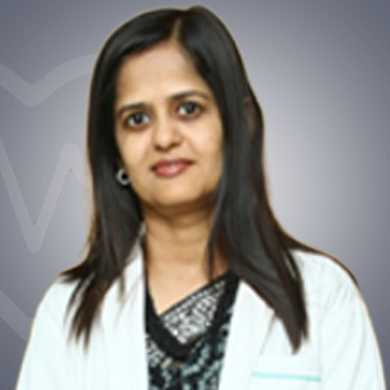
Dr Sonal Gupta
Neurosurgeon
29 Years of Experience
Dr. Sonal Gupta has an experienced neurosurgeon with more than 29+ years of clinical expertise. She is currently the Director, Neuro & Spine Surgery at Fortis Hospital, Shalimar Bagh. Before joining Fortis, she has been associated with various organizations such as Maharaja Agrasen Hospital, Action Balaji Hospital, and Max Hospital. View More
Last Reviewed - January 2026