Blount's disease Treatment in Malaysia
- Top Accredited Hospitals
- Global Medical Standards
- Cutting-Edge Technology
- Proven Treatment Options
- High Success Rate
- Trusted by Millions

What is Blount’s disease?
Blount's disease is a growth problem that affects the tibia, or shinbone, and causes the legs to bow excessively. It is caused by abnormal growth plate development at the top of the tibia, which causes the leg to angulate inward gradually. If treatment is not received, the illness, which is more prevalent in children and teenagers, may worsen over time.
What is the Importance of Timely Treatment?
To avoid severe deformities and difficulties with movement, Blount's disease must be diagnosed and treated as soon as possible. Timely intervention leads to proper leg alignment, which may help involve bracing for younger children and surgery for more severe cases. This lowers long-term problems and enhances the quality of life overall.
- The bending of the leg worsens over time.
- Joint instability and knee discomfort
- Early-stage arthritis
- Walking difficulties and decreased mobility
What are the Common Symptoms of Blount’s disease?
Blount's disease symptoms vary and depend upon the age and severity of the disease. Among the most typical signs are as follows:
- Excessive leg bowing, which is more noticeable than typical child bowing
- Knee pain brought on by excessive joint stress
- Walking problems or an irregular gait, such as waddling or inward-turned feet.
- Leg length disparity (sometimes one leg appears shorter than the other)
- Instead of getting better with age, bending gets worse over time.
Causes and Risk Factors of Blount’s Disease
The exact reason for Blount's disease is not fully understood, but it is believed to be due to excessive pressure on the growth plate of the tibia. The following are the risk factors.
- Early Walking: Children who begin walking before 12 months may be more vulnerable due to the increased strain on the tibia.
- Obesity: Carrying too much weight can strain growing bones and cause abnormalities.
- Genetic Predisposition: The risk is increased if Blount's disease runs in the family.
- Vitamin D Deficiency: The condition may occur due to poor bone health brought on by an insufficient diet.
Connect with our advisor for a PRIORITY response
Latest Research and Technologies in the Treatment of Blount’s Disease in Malaysia
The application of both conventional and contemporary orthopaedic techniques to address lower limb abnormalities in children has advanced the treatment of Blount's disease in Malaysia. While more severe cases necessitate surgical procedures, early-stage cases are usually treated with non-surgical techniques like bracing to stop additional leg bowing. To gradually repair abnormalities and limb length discrepancies, these surgeries include proximal tibial osteotomy, helped growth techniques, and external fixation devices like the Taylor Spatial Frame. Enhanced imaging technologies are also employed for precise diagnosis and treatment planning.
Blounts Disease Prevention Tips
To help prevent or effectively manage it if you already have it, the following is the advice to be considered:
- Maintaining a healthy weight: Being overweight puts more strain on the growth plates, which can lead to Blount's disease. Excessive weight gain can be avoided with a healthy diet and frequent exercise.
- Promote Good Walking Habits: Ensure kids start walking generally at a young age and refrain from standing or walking too much on their bow legs.
- Frequent pediatric checkups: Early detection of leg misalignment through routine screenings enables prompt correction.
- Maintain Bone Health: A calcium and vitamin D diet supports proper leg growth and strong bones.
- Wear Supportive Footwear: Proper leg alignment is maintained by wearing shoes that fit well and provide adequate arch support.
Treatment options for Blount's disease
Osteotomy: An osteotomy is a surgical operation used to treat Blount's disease, which causes the tibia to bow. The surgeon makes cuts and realigns the bone to reestablish appropriate leg alignment. The bone may be stabilised during the healing process by plates, screws, or external fixation devices. An osteotomy is usually advised when bracing is inadequate or in extreme situations.
Cost Start From USD 5000 - USD 15000Explore Options
Limb Lengthening: An osteotomy treats Blount's disease, which causes the tibia to bow. The surgeon makes cuts and realigns the bone to reestablish proper leg alignment. The bone may be stabilised during the healing process by plates, screws, or external fixation devices. An osteotomy is usually advised when bracing is inadequate or in extreme situations.
Cost Start From USD 35000 - USD 50000Explore Options
The following are key diagnostic tools:
- Physical examination: Assesses knee stability, gait anomalies, and leg alignment.
- X-rays are the main form of imaging used for detecting growth plate abnormalities and tibial bending.
- MRI or CT scan: In extreme situations, an s is used to examine the bone and cartilage structure in greater detail.
- Gait analysis: It examines how people move to identify biomechanical problems.
MediRehab (a chain of Rehab centres, part of MediGence) provides comprehensive rehabilitation services to support patients through Teleconsulations and online therapy sessions. Options for Blount's Disease Rehabilitation are:
- Physical therapy promotes mobility, strengthens the legs' muscles, and corrects gait anomalies.
- Bracing helps young children with modest abnormalities correct their tibia for early-stage cases.
- Post-Surgical Rehab: The treatment promotes joint flexibility and muscle healing following limb-lengthening or osteotomy surgery.
- Controlling weight lessens the strain on the legs, which delays
Depending on the situation, your healthcare professional may prescribe medicine to help control your symptoms and support the treatment plan.
Instantly Connect with our Specialists


Hospitals for Blount's disease in Malaysia
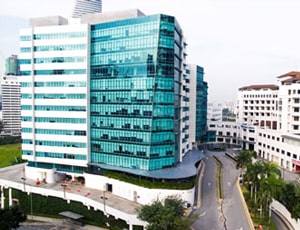
Parkway Pantai
Kuala Lumpur, Malaysia
Parkway Pantai located in Kuala Lumpur, Malaysia is accredited by JCI. Also listed below are some of the most prominent infrastructural details:
- Capacity of 335 beds
- 200+ specialist Doctors
- Critical Care Unit
- Neonatal Intensive Care Unit
- Operating Theatre
- International Patient Care Center
- Types of rooms available- Premier Suite, Supreme Suite, Deluxe Single Room, 2-bedded room, 4-bedded room, Deluxe Suite, Premier Single room, and Supreme Single room

Beverly Wilshire Medical Centre
Kuala Lumpur, Malaysia
Apart from in-detail treatment procedures available, Beverly Wilshire Medical Centre located in Kuala Lumpur, Malaysia has a wide variety of facilities available for International Patients. Some of the facilities which are provided by them are Accommodation, Airport Transfer, Choice of Meals, Interpreter, SIM, TV inside room. Also listed below are some of the most prominent infrastructural details:
- Both surgical as well as non surgical treatments are provided by the doctors in Beverly Wilshire Medical Group, Kuala Lumpur, Malaysia.
- The latest techniques and equipment are used for performing these procedures.
- Some non-surgical procedures:
- Chemical therapies
- Botox injections
- Laser therapies
- Filler treatment
- Steroid injections
- Chemical, mechanical, and injectable rejuvenation of skin
- Fractional laser resurfacing treatment
- Non-surgical hair restoration.
- Some Surgical treatments:
- Tummy tuck surgery
- Body lift surgery
- Scar revision surgery
- Wellness facilities available with Chiropractic, Physiotherapy, Medi-Spa, Reflexology.

Sunway Medical Centre
Kuala Lumpur, Malaysia
Sunway Medical Centre has initiated a comprehensive expansion plan close to its current hospital facility to enhance its ability to provide services to the global market. The new Cancer Radiosurgery Center and Nuclear Medicine Center, which will also house additional Centers of Excellence like the Digestive Health Center and Dialysis Center, marked the completion of Tower C's first phase in October 2016.
Our Services to better your experience
Opinion & Option
We submit the most accurate opinion and options from one or more countries for your review
Consult Privately
Consult with a certified specialist privately on our telemedicine platform even before you decide to travel
Logistics
We handle flights, visas, transfers, and accommodation—so you can focus on your health.
Recovery
Our In-house rehabilitation service packages to better your recovery and treatment outcome
Why Choose Malaysia for Blount’s Disease?
- Expert Care: Malaysia provides access to leading pediatric orthopaedic doctors for Blount's illness.
- Advanced Facilities: Modern surgical and diagnostic equipment is available in hospitals.
- Innovative Treatments: Custom orthotics, external fixation, and directed growth are among the options.
- Multidisciplinary Support: Comprehensive care with specialists in various fields & multiple languages.
- Medical Tourism Friendly: Comfortable healing alternatives and streamlined services draw patients from all over the world.
Frequently Asked Questions
Surgery is required for Blount's disease if the leg bending is severe, getting worse, or not responding to bracing (in children under 3). It is also necessary if X-rays detect substantial tibial growth plate damage or if the ailment results in joint injury or a disparity in leg length. Surgery is frequently the primary treatment for adolescents (those over 10) because bracing is less successful.
The age groups most commonly impacted by Blount's disease are infants (under three years old) and adolescents (over ten years old). While in teenagers, Blount's usually affects one leg and is associated with obesity or fast growth; infantile Blount's is more prevalent and typically affects both legs.
Blount's disease is not entirely inherited; genetic factors may play a role in its development. It is more prevalent in kids who have a family history of severe bending and is impacted by things like early walking and obesity. The exact genetic connection is yet unknown, though.
Blount's disease may get worse if treatment is not received, resulting in joint discomfort, knee instability, and extreme leg bending. It may impair mobility and quality of life by causing arthritis, walking difficulties, and lifelong deformity. It may result in differences in leg length and permanent impairment in extreme situations.
Yes, after getting treatment for Blount's disease, physical therapy is required to improve strength, flexibility, and balance. It speeds up recovery, corrects abnormal gait, and increases joint stability. Regular therapy sessions prevent issues while promoting long-term mobility and function.
Blount's disease recovery is contingent upon the type and intensity of therapy. While full recovery, including walking and strength improvement, may take up to a year with physical therapy, most children recuperate after surgery in 3 to 6 months. For younger children, bracing may not show effects for many months to a year.
The success rate of Blount's disease treatment in Malaysia depends on the age, severity, and treatment strategy of the patient all affect. Success rates for bracing-assisted treatment of early-stage infantile Blount's disease range from 50% to 70%, especially in unilateral cases.
Before choosing a hospital in Malaysia, always look for the following:
- Select a Doctor with expertise in treating Blount's disease and pediatric orthopaedics.
- Choose accredited hospitals with cutting-edge technologies and dedicated pediatric orthopaedic units.
- If you are travelling, look for foreign patient services, such as assistance with language and visas.
- Read reviews and testimonials to evaluate a doctor's skill and patient contentment.
- Ask questions, discuss treatment strategies, and schedule a consultation to compare alternatives.
Yes, medical professionals in Malaysia have extensive expertise in managing Blount's illness through non-surgical and surgical approaches. Many are internationally trained and use cutting-edge technology like external fixation and directed growth.
In Malaysia, therapy for Blount's disease is more affordable than in other nations, providing premium care at affordable costs. Multiple treatment options and all-in-one packages ensure affordability without compromising on care.
In Malaysia, people from other countries can readily receive treatment for Blount's disease. The nation makes it easy for patients worldwide to get high-quality care by providing medical tourism services such as visa help, multilingual staff, and simplified treatment plans.
Yes, many medical professionals in Malaysia provide second opinions for Blount’s disease via online telemedicine services or in-person consultations. Top medical centres offer professional assessments, cutting-edge diagnostic reports, and tailored treatment recommendations for patients from abroad.

Reviewer
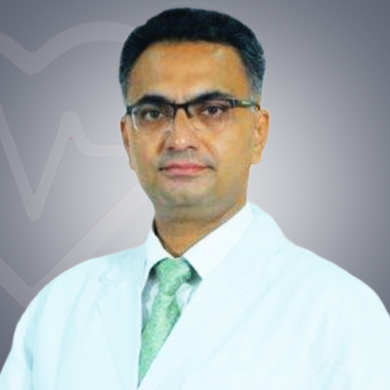
Dr. Puneet Mishra
Orthopaedic Surgeon
25 Years of Experience
Known among his patients for treating with compassion and personal care, Dr. Puneet Mishra is one of the best orthopedic surgeons in New Delhi. Dr. Puneet completed his MBBS from Maulana Azad Medical College in 1996 and from the same college he completed his MS (orthopedics) in 2000. With almost 25+ years of surgical experience under him, Dr. Pankaj takes pride in working with some of the finest medical institutions of the world such as University Hospital, Bern, Maulana Azad Medical College, New Delhi, Endoklinik, Germany, and Professor and Consultant orthopedician at Guru Teg Bahadur Hospital, New Delhi. View More
Last Reviewed - January 2026