Benign Prostate Hyperplasia (BPH) Treatment in Malaysia
- Top Accredited Hospitals
- Global Medical Standards
- Cutting-Edge Technology
- Proven Treatment Options
- High Success Rate
- Trusted by Millions

What is Benign Prostate Hyperplasia (BPH)?
Benign prostatic hyperplasia (BPH) is a disorder in which your prostate increases in size. Your prostate is a gland located below your bladder and in front of your rectum. It's about the size of a walnut and covers part of your urethra.
Your urethra is a channel that transports urine (pee) and sperm (ejaculate) from your body. If your prostate grows in size, it can prevent urine and ejaculation from passing through your urethra.
BPH is not malignant. However, BPH symptoms can signify more serious problems, such as prostate cancer.
What is the Importance of Timely Treatment?
- Timely treatment of Benign Prostatic Hyperplasia (BPH) is essential for avoiding complications such as urinary tract infections, bladder stones, or kidney damage caused by prolonged urine retention.
- Managing symptoms early on, such as frequent urination, poor urine flow, and difficulties initiating or ending urination, significantly enhances affected individuals' quality of life.
- If untreated, BPH can cause acute urine retention, which is a painful and severe condition that necessitates emergency treatment.
- Early therapy can also lessen the need for invasive surgeries, as medication and minimally invasive techniques can effectively manage symptoms.
- Treating BPH in its early stages can delay the condition's progression, allowing for better long-term control and lowering the risk of subsequent invasive therapies.
What are the Common Symptoms of Benign Prostate Hyperplasia (BPH)?
Common symptoms of BPH are:
- Urination (frequent or urgent need to pee)
- Peeing more frequently at night
- Trouble starting to pee
- A urine stream that is weak or intermittent
- Dribbling occurs at the end of urine
- Being unable to empty the bladder adequately
Less common symptoms are:
- A urinary tract infection
- Unable to urinate
- Blood in the urine
Causes, Risk Factors and Complications of Benign Prostate Hyperplasia (BPH)
Causes
- The prostate gland is placed underneath the bladder. The urethra is the tube that connects the bladder to the penis and transports pee. This tube runs across the middle of the prostate. When the prostate grows larger, it begins to restrict urine flow.
- The prostate is a gland that normally continues to expand throughout life. This development frequently enlarges the prostate enough to induce discomfort or prevent urine flow.
- It is unclear what causes the prostate to grow. It could be linked to changes in the balance of sex hormones as you get older.
Risk Factors
Risk factors for prostate enlargement include:
- Ageing: An enlarged prostate gland rarely produces symptoms before the age of 40. Following that, the risk of developing an enlarged prostate and associated symptoms increases.
- Family history: Having a blood family with prostate problems increases your chances of developing prostate issues.
- Diabetes and cardiovascular disease: According to studies, diabetes may increase BPH risk.
- Lifestyle: Obesity increases the risk of BPH. Exercise can reduce the danger.
Complications
Complications of an enlarged prostate may include:
- Unable to urinate: This is also known as urine retention. To drain pee, you may need to have a catheter inserted into your bladder. Some patients with enlarged prostates require surgery to receive relief.
- Urinary tract infections (UTI): Failure to adequately empty the bladder increases the risk of urinary tract infection. If you frequently have UTIs, you may need surgery to remove a portion of your prostate.
- Bladder stones: These are most commonly caused by an inability to empty the bladder. Bladder stones can cause disease, bladder discomfort, blood in the urine, and impaired urine flow.
- Bladder injury: A bladder that does not empty might stretch and weaken with time. As a result, the bladder's muscular wall no longer effectively squeezes to drive pee out. This makes it difficult to empty the bladder.
- Kidney injury: Pressure in the bladder caused by being unable to pee might harm the kidneys or allow bladder infections to reach them.
Connect with our advisor for a PRIORITY response
Latest Research and Technologies in the Treatment of Benign Prostate Hyperplasia (BPH) in Malaysia
Recent developments in the management of benign prostatic hyperplasia (BPH) in Malaysia centre on minimally invasive techniques:
- Rezum Water Vapour Therapy: Rezum is a minimally invasive technique that shrinks the prostate by employing specific water vapour. With little recovery time and a lower chance of sexual adverse effects, this outpatient treatment provides quick relief from BPH symptoms.
- Aquablation Therapy: According to recent research, this high-pressure water jet method may be more effective than conventional laser treatments. Aquablation is positioned as a possible alternative for the treatment of BPH because preliminary research shows fewer incidences of incontinence and sexual dysfunction.
Benign Prostate Hyperplasia (BPH) Prevention Tips
Here are some preventative tips for benign prostatic hyperplasia (BPH):
- Maintain a healthy diet
- Exercise regularly
- Stay hydrated
- Limit alcohol and caffeine
- Maintain a Healthy Weight
- Practice Regular urination
- Monitor Prostate Health
By following these guidelines, you can improve overall prostate health and potentially lower your risk of having BPH.
Treatment options for Benign Prostate Hyperplasia (BPH)
Transurethral resection of the prostate (TURP): A scope is a tiny gadget with a light placed into the urethra. The surgeon removes all but the outermost section of the prostate. TURP frequently resolves problems quickly. Some people experience a greater urine flow shortly after the treatment. After TURP, you may need to use a catheter to drain your bladder for a bit.
Cost Start From USD 3500 - USD 8000Explore Options
Open or robot-assisted prostatectomy: One or more incisions are made in the lower abdomen. This allows the surgeon to access the prostate and remove tissue. In general, this sort of surgery is performed on patients with a large prostate.
Cost Start From USD 8500 - USD 15000Explore Options
Benign prostatic hyperplasia (BPH) is diagnosed using a combination of patient history, physical examinations, and diagnostic tests. Here are the most common diagnostic steps:
- Digital rectal examination: The clinician slips a gloved finger into your rectum to determine whether your prostate is enlarged.
- Urine test: A lab examines a urine sample to determine whether you have an infection or other conditions that can cause symptoms similar to BPH.
- Blood test: The results can indicate whether you have kidney problems.
- PSA blood test: PSA is a protein produced in the prostate. PSA values increase when the prostate enlarges. However, elevated PSA levels may be the result of recent operations, illnesses, surgery, or prostate cancer.
- Urine flow test: You pee into a container connected to a machine. The gadget monitors the strength of your urine flow and the amount of pee you pass. Test findings can indicate whether your health improves or deteriorates over time.
- Postvoid residual volume test: This test determines whether you can empty your bladder. It can be performed using an imaging exam known as ultrasonography.
- Urodynamic and pressure flow test: It involves threading a catheter through the urethra and into the bladder. Water or, less frequently, air is progressively introduced into the bladder to measure bladder pressure and assess how well the bladder muscles function when attempting to pass urine.
- Cystoscopy: A lighted, flexible tool is inserted into the urethra. It allows a provider to see into the urethra and bladder. Before the test, you may be given a topical urethral numbing medication.
- Pelvic Floor Exercises (Kegel Exercises): Pelvic floor exercises, often known as Kegel exercises, help to strengthen the muscles responsible for urine flow. These exercises can enhance bladder control, alleviate urine urgency, and promote pelvic health.
- Lifestyle modifications: Dietary changes, fluid management, weight control, and bladder training are all examples of lifestyle modifications for BPH that can help with symptoms and quality of life.
Medications are the most popular treatment for mild to moderate symptoms of an enlarged prostate.
Depending on the situation, your healthcare professional may prescribe medicine to help control your symptoms and support the treatment plan.
Instantly Connect with our Specialists


Hospitals for Benign Prostate Hyperplasia (BPH) in Malaysia
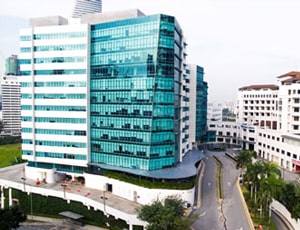
Parkway Pantai
Kuala Lumpur, Malaysia
Parkway Pantai located in Kuala Lumpur, Malaysia is accredited by JCI. Also listed below are some of the most prominent infrastructural details:
- Capacity of 335 beds
- 200+ specialist Doctors
- Critical Care Unit
- Neonatal Intensive Care Unit
- Operating Theatre
- International Patient Care Center
- Types of rooms available- Premier Suite, Supreme Suite, Deluxe Single Room, 2-bedded room, 4-bedded room, Deluxe Suite, Premier Single room, and Supreme Single room

Sunway Medical Centre
Kuala Lumpur, Malaysia
Sunway Medical Centre has initiated a comprehensive expansion plan close to its current hospital facility to enhance its ability to provide services to the global market. The new Cancer Radiosurgery Center and Nuclear Medicine Center, which will also house additional Centers of Excellence like the Digestive Health Center and Dialysis Center, marked the completion of Tower C's first phase in October 2016.

Ara Damansara Medical Centre
Kuala Lumpur, Malaysia
Situated at the junction of Petaling Jaya and Shah Alam, close to the Oasis Ara, Ara Damansara Medical Centre boasts a serene, luxurious ambiance.
The Centre has been awarded several prestigious awards such as the Global Health Asia Pacific Awards 2023, Newsweek Best Specialized Hospital APAC 2023, Healthcare Asia Awards 2023, and Malaysian Healthcare Wellness Excellence.
Our Services to better your experience
Opinion & Option
We submit the most accurate opinion and options from one or more countries for your review
Consult Privately
Consult with a certified specialist privately on our telemedicine platform even before you decide to travel
Logistics
We handle flights, visas, transfers, and accommodation—so you can focus on your health.
Recovery
Our In-house rehabilitation service packages to better your recovery and treatment outcome
Why Choose Malaysia for Benign Prostate Hyperplasia (BPH) Treatment?
Here are some of the reasons for choosing Malaysia:
- Advanced Treatment Options: Malaysia offers revolutionary therapies like the UroLift System and Rezum water vapor therapy, which are less invasive and allow speedy recovery.
- Experienced Specialists: Highly trained urologists with skills in BPH care using the latest technologies.
- Affordable Care: Quality care at a cheaper cost than in Western countries.
- Accredited Hospitals: Many hospitals in Malaysia are globally certified, assuring high-quality medical care.
- Seamless Medical Tourism: Malaysian hospitals offer individualised care, bilingual support, and aid with travel arrangements to international patients.
Frequently Asked Questions
Some persons with moderate BPH saw relief from their symptoms without receiving therapy. If your symptoms persist after a cautious waiting approach, you and your healthcare physician should begin exploring therapy alternatives.
People with BPH have a highly positive mindset. BPH does not have a cure, but therapies can help you manage your symptoms. Mild symptoms may not require treatment. More severe cases can be treated with medications, surgery, or minimally invasive procedures.
BPH is the name of a condition that causes your prostate to grow in size. Benign prostatic enlargement (BPE) is a term used by healthcare providers to describe the increased size of the prostate gland caused by BPH.
In Malaysia, BPH is not regarded as a risk factor for prostate cancer. However, early detection is crucial because the symptoms of BPH and prostate cancer may overlap.
In line with worldwide trends, men in Malaysia typically acquire benign prostatic hyperplasia (BPH) between the ages of 50 and 60. But as people age, the prevalence rises, and by the time they are 70, a sizable portion of men may be exhibiting BPH symptoms.
When medicine and lifestyle modifications are insufficient to alleviate symptoms, surgery is frequently used as a final resort. Traditional surgeries like TURP are becoming less popular in favour of minimally invasive methods like UroLift or laser therapy.
Like everywhere else, obesity plays a significant part in the onset and progression of benign prostatic hyperplasia (BPH) in Malaysia. Abdominal fat in particular encourages the production of hormones like estrogen, which can affect the development of the prostate.
Additionally, obesity has been connected to metabolic syndrome, which can make BPH symptoms like bladder problems and urine retention worse. It is generally advised that people with BPH maintain a healthy weight to lower their risk and severity of the condition.
Depending on the technique, recuperation times from BPH surgery in Malaysia vary. Routine activities can resume after a few days following minimally invasive therapies like UroLift or Rezum, which usually require 1-2 weeks to recover. Recovery from more invasive treatments, such as TURP (Transurethral Resection of the Prostate), often takes 4-6 weeks, with follow-up appointments to evaluate results. The majority of patients experience severe symptoms soon after surgery.

Reviewer

Dr. Mohit Agarwal
Medical Oncologist
14 Years of Experience
One of the finest Oncologist in New Delhi, India, Dr. Mohit Agarwal has worked with several world class multidisciplinary hospitals over the years. Dr. Mohit Agarwal has over 14+ years of experience in his field. The doctor treats and manages a wide range of conditions such as Stomach Cancer, Rectal Cancer, Breast Cancer, Brain Cancer View More
Last Reviewed - January 2026