Your Notifications
All done, no notifications

2 Specialists

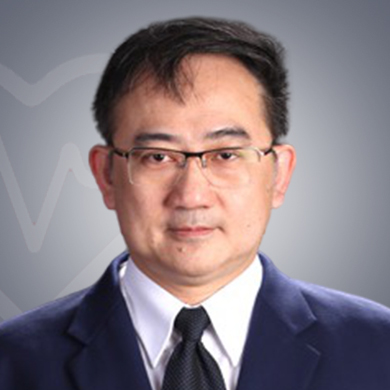
Dr. Nanthasak Tisavipat

Neurosurgeon

, Bangkok, Thailand

40 Years of experience

Speaks: Thai, English , Mandarin


Dr. Nanthasak Tisavipat is a specialized Neurosurgeon in Thailand. And one of the most sought after medical specialists in Bangkok, Thailand. The doctor has over 31 Years of experience and is associated with .

Association and Memberships Dr. Nanthasak Tisavipat is part of:

  • Thai Medical Council

Certifications :

  • 2017 AANS Annual Scientific Meeting, American Association of Neurological Surgeons, United States
  • 2017 The Spetzler Symposium: A Scientific Tribute and Global Celebration, American Association of Neurological Surgeons, United States
  • 2016 Lecturer in the Emergency Management in Traumatic Brain Injury, Bangkok Dusit Medical Services, Thailand
  • 2009 Special Meeting with Group CEO, Thailand
  • 1995 Intercollegiate Specialty Examination in Surgical Neurology, The Royal College of Surgeons of England, United Kingdom

Qualifications :

  • 2003 Family Medicine, Thai Medical Council, THAILAND
  • 1989 Neurological Surgery, Siriraj Hospital, Mahidol University, Thai Medical Council, THAILAND
  • 1984 Doctor of Medicine, Ramathibodi Hospital, THAILAND

What is the medical expertise of Dr Nanthasak Tisavipat?

  • Dr Nanthasak Tisavipat has 31 years of experience as a neurosurgeon. He specializes in carotid endarterectomy, corpus callosotomy, endovascular coiling, vagus nerve stimulation, brain tumour surgery, percutaneous balloon compression, meningioma and glioma treatment.
  • He is registered with the Thai Medical Council. Dr Nanthasak also cleared the Intercollegiate Specialty Examination in Surgical Neurology, The Royal College of Surgeons of England, United Kingdom in 1995.
  • Over the course of his career, Dr Tisavipat has published in many journals. Some of his works include:
    1. Witthiwej T, Sathira-ankul P, Chawalparit O, Chotinaiwattarakul W, Tisavipat N, Charnchaowanish P. MRI study of intracranial hydrodynamics and ventriculoperitoneal shunt responsiveness in a patient with normal pressure hydrocephalus. J Med Assoc Thai. 2012 Dec;95(12):1556-62
    2. Nitising A, Jetjumnong C, Tisavipat N, Nantaaree S. Posterior C1-C2 fusion using C1 lateral mass and C2 pars screw with rod fixation: techniques and outcomes. J Med Assoc Thai. 2011 Jul;94(7):794-800.
    3. Chawalparit O, Artkaew C, Anekthananon T, Tisavipat N, Charnchaowanish P, Sangruchi T. Diagnostic accuracy of perfusion CT in differentiating brain abscess from a necrotic tumour. J Med Assoc Thai. 2009 Apr;92(4):537-42.
View Profile
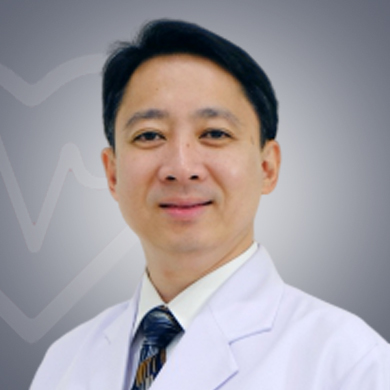
Dr. Sutthikorn Tantbirojn

Neurosurgeon

, Bangkok, Thailand

31 Years of experience

Speaks: Thai , English


Dr. Sutthikorn Tantbirojn is a specialized Neurosurgeon in Thailand. And one of the most sought after medical specialists in Bangkok, Thailand. The doctor has over 23 Years of experience and is associated with Bangkok Hospital.

Qualifications :

  • 2003 Pediatric Neurosurgery, Royal Children's hospital Melbourne Australia Australia
  • 1997 Neurological Surgery, Bhumibol Adulyadej Hospital Thailand
  • 1993 Medical Degree, Doctor of Medicine (MD), Chulalongkorn University Thailand

Hospital Address :

Bangkok Dusit Medical Services, Nong Prue, Bang Phli, Samut Prakan, Thailand

View Profile

Frequently Asked Questions

How is VP shunt surgery carried out?

VP (ventriculoperitoneal) shunt surgery is performed to treat hydrocephalus, a condition where excess cerebrospinal fluid (CSF) builds up in the brain. The procedure involves:

  • Inserting a catheter into a brain ventricle to drain the fluid
  • Connecting the catheter to a pressure-regulating valve
  • Routing the distal end of the catheter into the abdominal cavity (peritoneum), where CSF is safely absorbed

The surgery is done under general anaesthesia and typically takes 1.5 to 3 hours, depending on the complexity.

Is VP shunting available in all major cities in Thailand?

Yes, VP shunt procedures are widely available at top hospitals in Bangkok, Chiang Mai, and Phuket. These hospitals are equipped with:

  • Neurosurgical ICUs
  • Neuronavigation systems and intraoperative imaging
  • Programmable and fixed pressure shunt systems
  • Teams trained in minimally invasive neurosurgery

Leading hospitals for VP shunt surgery include:

  • {phyathai-2-international-hospital}
  • {bangpakok-9-international-hospital-bpk-9}
  • {bangkok-dusit-medical-services}

These hospitals also have international patient departments with English-speaking coordinators, many of whom work with MediGence to streamline care.

How can I prepare for VP shunt surgery in Thailand?

To ensure a smooth surgical experience, you’ll be advised to:

  • Undergo preoperative imaging (MRI/CT), blood tests, and ECG
  • Avoid blood thinners (e.g., aspirin, warfarin) for 5–7 days
  • Fast for 6–8 hours before surgery
  • Discuss any existing medical conditions or medications with your neurosurgeon.

The MediGence care coordinator will provide a detailed pre-surgery checklist.

Are the neurosurgeons in Thailand qualified to perform VP shunting?

Yes. Thai neurosurgeons are internationally trained and have significant experience with VP shunt procedures. Their credentials typically include:

  • Board certification in neurosurgery (Thai Medical Council)
  • Fellowship training in neuro-endoscopy and hydrocephalus surgery from countries such as Japan, Germany, or the USA
  • Memberships in organisations such as the World Federation of Neurosurgical Societies (WFNS) or the Thai Society of Neurosurgical Surgeons (TSNS)
Can I fly shortly after VP shunt surgery in Thailand?

Generally speaking, depending on your clinical state and rate of recovery, it is recommended to wait seven to ten days before flying. To reduce the risks:

  • Steer clear of lengthy flights just after surgery.
  • When travelling, wear compression stockings.
  • Before scheduling your return flight, obtain your neurosurgeon's medical clearance.

If necessary, MediGence can help with remote post-operative care or follow-up scheduling.

Is VP shunting in Thailand safe for children and older patients?

Yes. VP shunting is safe for both paediatric and elderly patients when performed at specialised centres. Thai hospitals offer:

  • Dedicated paediatric neurology teams
  • Geriatric anaesthesia and cardiac risk assessment
  • Post-operative monitoring in neurosurgical ICUs

Many centres are experienced in handling complex cases involving congenital hydrocephalus, trauma, and tumours.

Can I consult the neurosurgeon before I arrive in Thailand?

Yes. Through MediGence, you can schedule a virtual consultation to:

  • Share imaging and medical reports
  • Discuss symptoms, risks, and expected outcomes
  • Learn about programmable vs. fixed shunt systems
  • Finalise treatment costs, hospital stay, and aftercare plans

This ensures clarity, confidence, and preparation before travelling.

What kind of care will I need after returning home?

Post-surgical recovery requires:

  • Wound care and observation for signs of infection or shunt malfunction
  • Follow-up imaging (CT/MRI) within a few weeks
  • Hydration, pain management, and avoidance of strenuous activities
  • Teleconsultation with your Thai neurosurgeon, available via MediGence

A discharge summary and long-term care instructions will be provided for your local doctor.

Are VP shunt outcomes in Thailand comparable to those in other countries?

Yes. Thailand’s neurosurgical outcomes are on par with the US, UK, and Europe, thanks to:

  • Highly skilled surgical teams
  • International-standard hospital facilities
  • Use of premium-grade, globally approved shunt systems
  • Adherence to evidence-based treatment protocols

Patients benefit from affordable care, short wait times, and high success rates.

What should I avoid after VP shunt surgery?

To ensure safe recovery, patients should avoid:

  • Heavy lifting, bending, or intense physical activity for 4–6 weeks
  • Contact sports or head trauma
  • Flying or driving long distances without medical clearance
  • Ignoring symptoms like headaches, fever, vomiting, or drowsiness

Follow all medication and rehab instructions closely, and attend regular follow-ups as advised.