Your Notifications
All done, no notifications

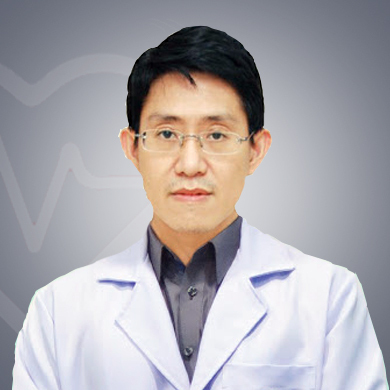
Dr. Pratarn Nantaaree

Neurologist

, Bangkok, Thailand

21 Years of experience

Speaks: Thai , English


Dr. Pratarn Nantaaree is a specialized Neurologist in Thailand. And one of the most sought after medical specialists in Bangkok, Thailand. The doctor has over 18 Years of experience and is associated with Bangpakok 9 International Hospital.

Qualifications :

  • M.D. Faculty of Medicine Siriraj Hospital Mahidol University
  • Diploma of Thai Board of Neurosurgery Institute of Neurology, Medical Council
  • Neuroscopic Third Ventriculostomy in IVH

Hospital Address :

Bangpakok 9 International Hospital, International Hospital, Rama II Road, Bang Mot, Chom Thong, Bangkok, Thailand

Medical Expertise of Dr. Pratarn Nantaaree

  • Dr. Pratarn is an expert of Neurology.
  • He has been trained to treat people with trauma to the brain and spine, aneurysms, blocked arteries, chronic low-back pain, birth defects, tumors in the brain and spinal cord, and peripheral nerve issues.
  • Dr. Pratarn is well-trained & board-certified in treating Neurological conditions
  • Dr. Pratarn is a highly skilled professional who has received training from a number of prestigious institutions.
  • Worked with renowned hospitals of Thailand such as Camilian Hospital, Piyavate Hospital, etc.
  • A number of research papers and case studies have been published by the specialist.
  • He is the author or co-author of numerous scientific papers and reports, as well as a participant in a variety of neurological studies
View Profile

Frequently Asked Questions

How to Choose the Best Specialist for Stroke Treatment in Thailand?

Look for a board-certified neurologist or neurointerventionist with specialisation in cerebrovascular diseases. Ideal qualifications include:

  • Expertise in ischemic and hemorrhagic stroke management
  • Experience in acute thrombolysis, mechanical thrombectomy, and post-stroke rehabilitation
  • Training in stroke imaging interpretation (CT angiography, MRI perfusion)
  • Participation in stroke units certified by relevant international or regional stroke organisations

Neurovascular experts may be referred via MediGence based on the type and timing of the stroke.

How do I choose the best hospital for Stroke Treatment in Thailand?

Choose a Comprehensive Stroke Centre or Primary Stroke Unit equipped for time-sensitive intervention and rehabilitation. Ideal features include:

  • 24/7 stroke code activation with emergency neuroimaging and neurology team
  • On-site interventional neuroradiology for clot retrieval or aneurysm coiling
  • Dedicated stroke ICUs and neurorehabilitation wards
  • Collaboration with speech therapists, occupational therapists, and physiotherapists
Can I Consult with a Stroke Specialist Online Before I Travel, and How Can I Access Their Patient Reviews?

Yes. MediGence supports stroke recovery consultations and second opinions virtually, especially for patients transitioning from the acute to subacute or chronic stage.

To prepare:

  • Upload your CT/MRI scans, discharge summary, medication list, and stroke scale reports (e.g., NIHSS)
  • Review doctor profiles, stroke recovery protocols, and patient outcomes.
  • You can also book a secure video consultation via the MediGence platform.
How long will I need to stay in Thailand for stroke treatment and recovery?

The duration of your stay in Thailand for stroke treatment and recovery is highly dependent on the stage and severity of the stroke. Here's a breakdown of typical timelines:

  • Acute Stroke (within 72 hours): For immediate emergency care, imaging, and stabilisation, you can expect to stay in the hospital for approximately 5–10 days.
  • Post-Acute Rehabilitation: If inpatient rehabilitation is required, which often includes physiotherapy, neuropsychological therapy, and speech therapy, your stay could extend for 2–3 weeks.
  • Long-Term Monitoring: For ongoing medication adjustments and tracking of functional recovery, outpatient visits will be necessary, which may involve intermittent stays or regular follow-ups over a more extended period.

Optional: If cleared by your treating team, home-based rehabilitation may be an option. MediGence facilitates continuity of care, including virtual consultations. Moreover, through the MediGence platform, you can also book virtual care sessions with experts available at MediRehab, a specialised part of the MediGence organisation dedicated to rehabilitation services.

Can International Patients Access Stroke Treatment in Thailand?

Yes. Thailand is a recognised leader in stroke intervention and neurorehabilitation, offering:

  • Advanced care for ischemic stroke, TIA, cerebral aneurysm, hemorrhagic stroke
  • Multidisciplinary stroke units with integrated rehabilitation
  • International patient desks for translator support, documentation, and logistics

MediGence services include:

  • Matching you with the best stroke centre and specialists
  • Visa assistance, travel coordination, and accommodation options
  • Secure handling of international medical records and post-discharge rehab
What Qualifications, Certifications, and Experience Does the Doctor Have for Stroke Treatment?

Qualifications:

  • MD or MBBS with specialisation in Neurology, Neurosurgery, or Interventional Neuroradiology
  • Fellowship in vascular neurology or neurointervention

Certifications:

  • Member of relevant national or international neurological societies
  • Certified by international stroke organisations such as the European Stroke Organisation (ESO) or World Stroke Organisation (WSO)
  • Proficient in stroke scales (NIHSS, mRS) and thrombolytic protocols

Experience:

  • Skilled in managing ischemic and hemorrhagic strokes
  • Expertise in IV tPA administration, thrombectomy, or aneurysm clipping/coiling
Can I get a second opinion for Stroke Treatment in Thailand?

Yes. MediGence helps you:

  • Confirm if vascular surgery, carotid stenting, or continued rehab is needed
  • Compare conservative vs interventional approaches
  • Discuss the functional recovery timeline and neuroplasticity potential
What should I expect during a teleconsultation for Stroke Treatment via MediGence?

During your session, the stroke specialist will:

  • Assess your neurological status, scan reports, and residual deficits
  • Recommend further imaging, blood work, or physical rehab
  • Outline a plan for medication, secondary prevention, and recovery goals
  • Provide realistic timelines for walking, speech, and self-care milestones
How Can I Verify the Credibility of a Stroke Specialist in Thailand?

To confirm:

  • Check affiliations with recognised medical boards and professional societies
  • Review the hospital’s stroke intervention statistics and outcomes
  • Evaluate published case studies, clinical involvement, and patient reviews