Your Notifications
All done, no notifications

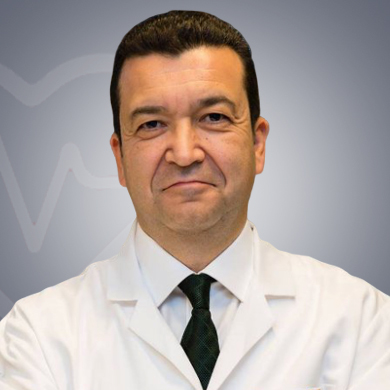
Dr. Orhan Celen

Surgical Oncologist

, Kocaeli, Turkey

32 Years of experience

Speaks: Turkish , English


Dr. Orhan Celen is a specialized Surgical Oncologist in Turkey. And one of the most sought after medical specialists in Kocaeli, Turkey. The doctor has over of experience and is associated with Medical Park Gebze Hospital.

Association and Memberships Dr. Orhan Celen is part of:

  • National Surgical Association
  • Ankara Surgical Association
  • Ankara Breast Diseases Association
  • Federation of Breast Diseases
  • European Society of Surgical Oncology

Qualifications :

  • Ankara University Faculty of Medicine
  • Ankara Oncology Training and Research Hospital
  • Boston University School of Medicine, The University Hospital, Department of Surgical Oncology

Hospital Address :

G

What is the medical expertise of Dr Orhan Celen?

  • Dr Orhan Celen has more than 25 years of experience as a surgical oncologist. He specializes in thyroid cancer surgery, ovarian cancer surgery, pancreatic cancer surgery and breast cancer surgery.
  • He is a member of many professional organizations such as the Ankara Surgery Association, Breast Diseases Federation, European Society of Surgical Oncology and the National Society of Surgery.
  • Dr Celen has received several laurels for his contributions to the field of surgical oncology. He was awarded "the 3rd Prize at the National Surgery Congress Oral Presentation Competition" in 2006.
  • Dr Celen participates in many training courses on a regular basis to improve his knowledge and skills such as the Current Diagnosis and Treatment Course in Early Breast Cancer by Ankara Breast Diseases Association in Ankara, 2004 and Benign Breast Diseases Course by the Ankara Breast Diseases Association in Ankara, 2005.
  • Dr Orhan Celen has published his research in many leading national and international journals. His research work has been cited in more than 600 articles, journals and books.
View Profile

Frequently Asked Questions

What should I look for in the best Skin Cancer Treatment', Doctors?

Choosing the appropriate dermatologist or oncologist is the most important step preceding the initiation of the skin cancer treatment. When searching for a doctor, consider the following factors to ensure comprehensive and high-quality care:

  • Specialization: Always choose a doctor who specializes specifically in skin cancer treatment. Consider seeking a dermatologic oncologist or a dermatologist with a focus on skin cancer for specialized care.
  • Qualification and Board Certification: Make sure that the doctor is board-certified in dermatology or oncology.
  • Experience and Expertise: Always Look for a doctor with experience in treating skin cancer, particularly the specific type of skin cancer you have been diagnosed with (e.g., basal cell carcinoma, squamous cell carcinoma, melanoma).
  • Treatment Options: Ensure that the doctor offers a range of treatment options, including surgery, radiation therapy, immunotherapy, targeted therapy, and chemotherapy. The best treatment plan depends on the type and stage of the skin cancer.
  • Advanced Techniques: Inquire about the use of advanced techniques and technologies. A doctor who stays updated on the latest advancements in the field may offer more options and potentially less invasive procedures.

Additionally, prioritize transparent communication, availability, accessibility, a multidisciplinary approach, and a patient-centric approach when seeking a doctor. Keep these considerations in mind as you embark on the journey to find the right healthcare professional for your needs.

How can I find the top Skin Cancer Treatment', Doctors?

To find the top dermatologist or oncologist. you will need to do some research and ask for referrals.

  • It is best to seek recommendations from your primary care physician or dermatologist, who can guide you in finding the best doctor according to your requirements and provide you with a referral.
  • Seek recommendations from your friends, family, or colleagues. Personal referrals can provide valuable insights into the reputation and expertise of treating issues with skin cancer.
  • You can check out websites like https://medigence.com/. They have a list of oncologists or dermatologists, who specialize in performing skin cancer treatment. Many hospitals offer online referral services that may be of help.
How do I schedule an online consultation with one of the top Skin Cancer Treatment', Doctors listed here?

To schedule an online consultation with one of the top dermatologists listed on a specific platform or website, you can follow these easy steps:

  • Visit our website www.medigence.com.
  • Navigate to the online appointment booking page.
  • Find the doctor's profile, and locate the profile of the doctor you’d like to consult for your skin cancer treatment.
  • Fill out the consultation request form and follow the instructions to submit your details.
  • Our team will then assist you in organizing a convenient virtual consultation with one of our renowned doctors to discuss your treatment options
What should I expect during the initial consultation with a Skin Cancer Treatment', Doctor?

Embarking on a collaborative journey, the initial consultation is pivotal. Attending this session is key to comprehending your condition fully and making well-informed decisions about your skin cancer treatment. In your first meeting with the dermatologist or oncologist, anticipate the following:

  • Medical History Review: The doctor will review your medical history, including any previous skin conditions, family history of skin cancer, and other relevant health information.
  • Skin Examination: A thorough skin examination will be conducted to assess the area of concern and to identify any additional lesions or abnormalities. The doctor may use a dermatoscope, a handheld device that allows for a closer inspection of the skin.
  • Biopsy and Diagnosis: If a suspicious lesion is identified, the doctor may recommend a biopsy.
  • Discussion of Diagnosis: Once the biopsy results are available, the doctor will discuss with you, the type of skin cancer, its stage, and any other relevant information.
  • Treatment Options: Based on the diagnosis, the doctor will discuss appropriate treatment options. These may include surgical excision, radiation therapy, immunotherapy, targeted therapy, chemotherapy, or a combination of treatments. The doctor will explain the benefits and potential side effects of each option.
  • Personalized Treatment Plan: The doctor will plan to develop a personalized treatment tailored to specific diagnosis, overall health, and treatment goals.
  • Risks and Benefits: You can ask about the potential risks and benefits associated with the recommended procedure, as well as alternative treatment approaches.
What are the conditions treated by Skin Cancer Treatment', Doctors?

Dermatologists or oncologists with expertise in dermatology, specialize in diagnosing and treating various types of skin cancer. The conditions treated by skin cancer treatment doctors include:

  • Basal Cell Carcinoma (BCC): most common type of skin cancer. usually it appears on sun-exposed areas of the skin. treated by surgical excision, cryotherapy, or topical medications.
  • Actinic Keratosis: it is a precancerous lesion that may develop into squamous cell carcinoma. it can be treated by cryotherapy, topical medications, laser therapy, or surgical removal.
  • Melanoma: it is a more aggressive form of skin cancer that can spread to other parts of the body.
  • Kaposi's Sarcoma: it is a cancer that can affect the skin and other organs. It is often associated with immunocompromised individuals, such as those with HIV/AIDS. Treatment may involve surgery, radiation therapy, or systemic therapies.
  • Bowen's disease: it is a type of squamous cell carcinoma meaning the cancer cells are confined to the outer layer of the skin. it can be treated by surgical excision, cryotherapy, or topical therapies.
  • Merkel cell carcinoma: it is a rare and aggressive type of skin cancer. Treatment involves surgical excision, radiation therapy, immunotherapy, or chemotherapy