Your Notifications
All done, no notifications

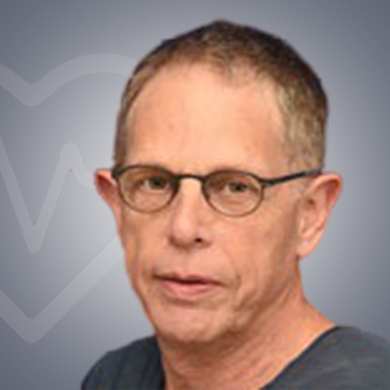
Dr. Zvi Ram

Neurosurgeon

, Tel Aviv, Israel

25 Years of experience

Speaks: Hebrew , English


Dr. Zvi Ram is a specialized Neurosurgeon in Israel. And one of the most sought after medical specialists in Tel Aviv, Israel. The doctor has over 25 Years of experience and is associated with Tel Aviv Sourasky Medical Center -Ichilov Hospital.

Association and Memberships Dr. Zvi Ram is part of:

  • Israel Medical Association, Israel
  • Israel Neurosurgical Society, Israel
  • Israel Surgical Society, Israel
  • Society of Neurosurgical Research, USA
  • American Association of Neurosurgery, USA
  • Congress of Neurosurgery, USA
  • The International Pituitary Club, USA
  • European Association of Neurosurgical cieties - Neurooncology Committee, Europe
  • Secretary - The Israeli Society of Neurosurgery
  • Delegate to the World Federation of Neurosurgery
  • European Association of Neurooncology (EANO)
  • World Federation of Neurosurgical Societies – Neurooncology Committe
  • AANS/CNS Joint Section of Tumors USA
  • ‏Member – Israel Med Association Scientific Council, Israel
  • ‏Israel Cancer Association – Neurooncology Committee, Israel
  • Ministry of Health – The National Council For Surgery, Anesthesia and Intensive Care, Israel
  • Chairman - Neurooncology Committee of the EANS
  • Ministry of Health - National IRB for gene therapy and cell based therapeutics

Qualifications :

  • Medical School, Tel Aviv University, Sackler School of Medicine
  • Postgraduate Courses: Neurology and Neurosurgery, Tel Aviv University, Sackler School of medicine
  • European Course in Neurosurgery: Infratentorial Tumors and Hydrocephalus, Amsterdam, The Netherlands
  • Microsurgical Techniques, Universitatsspital, Zurich
  • Neuropathology Review course, Bethesda, Maryland
  • Microsurgery of the basal cisterns, Denver, Colorado
  • Endoscopy and endoscopy-assisted microsurgery, Tutlingen/Mainz, Germany
  • Endoscopic Transsphenoidal Surgery, Vienna, Austria
  • Endoscopic approaches to the skull base. UPMC, Pittsburgh, USA

Hospital Address :

Tel Aviv Medical Center, Retsif Herbert Samuel Street, Tel Aviv-Yafo, Israel

View Profile

Frequently Asked Questions

What should I look for in the best Scoliosis Surgery', Doctors?

Selecting the appropriate orthopedic or neurosurgeon is the most important step preceding the initiation of the scoliosis( C or S-shaped curve in the spine) surgery. When searching for a doctor, consider the following criteria to ensure comprehensive and high-quality care:

  • Specialization: Always Choose doctors who specialize in spinal surgery, particularly those with a focus on scoliosis treatment. A spine surgeon or orthopedic surgeon with expertise in spinal deformities is essential.
  • Qualification and Board Certification: Ensure that the doctor is board-certified in orthopedic surgery or neurosurgery.
  • Experience in Scoliosis Surgery: Always prefer a doctor with extensive experience in performing scoliosis surgeries. Experience is crucial in handling various degrees of spinal deformities and ensuring successful outcomes.
  • Advanced Techniques: Inquire about the use of advanced techniques for scoliosis correction, including minimally invasive procedures or the latest technologies. Advanced techniques often result in reduced recovery times and fewer complications.
  • Follow-up Care and Rehabilitation: Ensure that the surgeon emphasizes the importance of follow-up care and rehabilitation after the surgery. A comprehensive postoperative plan contributes to the patient's overall recovery and long-term success.

Additionally, prioritize transparent communication, availability, accessibility, a multidisciplinary approach, and a patient-centric approach when seeking a doctor. Keep these considerations in mind as you embark on the journey to find the right healthcare professional for your needs.

How can I find the top Scoliosis Surgery', Doctors?

To find the top neurosurgeon or orthopedics to perform Scoliosis surgery. you will need to do some research and ask for referrals.

  • It is best to seek recommendations from your primary care physician or Orthopedics, who can guide you in finding the best doctor according to your requirements and provide you with a referral.
  • Seek recommendations from your friends, family, or colleagues. Personal referrals can provide valuable insights into the reputation and expertise of treating scoliosis.
  • You can check out our website at https://medigence.com/. They have a list of spinal surgeons or Orthopedics, who specialize in performing scoliosis surgery. Many hospitals offer online referral services that may be of help.
How do I schedule an online consultation with one of the top Scoliosis Surgery', Doctors listed here?

To schedule an online consultation with one of the top neurosurgeons listed on a specific platform or website, you can follow these easy steps:

  • Visit our website www.medigence.com.
  • Navigate to the online appointment booking page.
  • Find the doctor's profile, and locate the profile of the doctor you’d like to consult for your scoliosis surgery.
  • Fill out the consultation request form and follow the instructions to submit your details.
  • Our team will then assist you in organizing a convenient virtual consultation with one of our renowned doctors to discuss your treatment options
What should I expect during the initial consultation with a Scoliosis Surgery', Doctor?

The initial consultation marks the beginning of a collaborative journey. To gain a comprehensive understanding of your condition and make well-informed decisions regarding scoliosis surgery, active participation in your initial consultation is essential. During this meeting with the orthopedic surgeon, anticipate the following:

  • Medical History Review: The doctor will begin by reviewing your medical history, including any relevant information about your overall health, previous surgeries, medications, and any symptoms related to rectal issues.
  • Discussion of Symptoms: You'll have the opportunity to discuss any symptoms you're experiencing, such as back pain, difficulty breathing, or changes in posture.
  • Physical Examination: The doctor will conduct a thorough physical examination, focusing on your spine's curvature, range of motion, and any visible deformities. They may also assess muscle strength, reflexes, and neurological function.
  • Diagnostic Imaging: The doctor may recommend Imaging studies, such as X-rays, CT scans, or MRI, to get a detailed view of the bones and joints.
  • Discussion of the Treatment Options: Based on the evaluation, the doctor will discuss the available treatment options, which may include observation, bracing, or surgical intervention. If surgery is recommended, the doctor will explain the procedure, expected outcomes, and recovery process.
  • Risks and Benefits: You will be informed about the potential risks and benefits associated with the recommended procedure, as well as alternative treatment approaches.
What are the conditions treated by Scoliosis Surgery', Doctors?

The primary goal of scoliosis surgery is to straighten and stabilize the spine, preventing the progression of the curvature and relieving symptoms such as pain or difficulty breathing. Scoliosis surgery is performed by orthopedic surgeons or neurosurgeons specializing in spine surgery. Conditions treated by scoliosis surgery include:

  • Severe Idiopathic Scoliosis: it is the most common type of scoliosis, and surgery may be recommended when the curvature is severe (typically greater than 40-50 degrees) and continues to progress despite conservative treatments.
  • Congenital Scoliosis: This is present at the time of birth and is caused by abnormalities in the formation of the spine. Surgery may be necessary to correct the deformity and prevent further progression.
  • Neuromuscular Scoliosis: This type of scoliosis is associated with neuromuscular disorders such as cerebral palsy or muscular dystrophy and can be treated by surgery.
  • Degenerative Scoliosis:(happens due to aging) the spine becomes degenerate, leading to the development of scoliosis. Surgery is recommended when the curvature is causing significant pain and other symptoms.
  • Syndromic Scoliosis: (genetic disorder) can be associated with scoliosis, and can be treated by surgery.