Your Notifications
All done, no notifications

2 Specialists

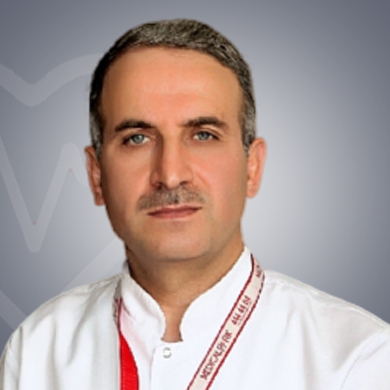
Dr. Gultekin Gokce

Surgical Oncologist

, Tokat, Turkey

12 Years of experience

Speaks: Turkish & English


Dr. Gultekin Gokce is a specialized Surgical Oncologist in Turkey. And one of the most sought after medical specialists in Tokat, Turkey. The doctor has over 12 Years of experience and is associated with Medical Park Tokat Hospital.

Qualifications :

  • Istanbul University Faculty of Medicine - Medical Education

Hospital Address :

Yeilrmak, Medical Park Tokat Hastanesi, Vali Zekai G
View Profile
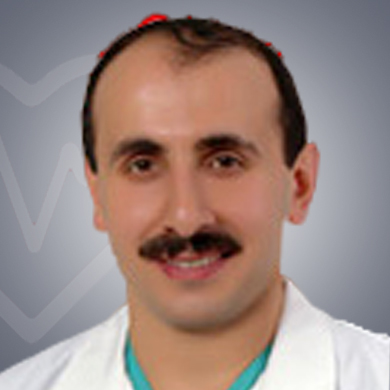
Dr. Zeki Sezgin

Surgical Oncologist

, Tokat, Turkey

15 Years of experience

Speaks: Turkish , English


Dr. Zeki Sezgin is a specialized Surgical Oncologist in Turkey. And one of the most sought after medical specialists in Tokat, Turkey. The doctor has over 15 Years of experience and is associated with Medical Park Tokat Hospital.

Qualifications :

  • Anadolu University Faculty of Medicine
  • SSK Istanbul Education and Research Hospital

Hospital Address :

Yeilrmak, Medical Park Tokat Hastanesi, Vali Zekai G

View Profile

Frequently Asked Questions

What should I look for in the best Oral cancer Treatment', Doctors?

Selecting the appropriate oral oncologist is the most crucial step preceding the initiation of oral cancer treatment. These specialists often employ a combination of surgery, radiation therapy, chemotherapy, and targeted therapies to address various conditions. When searching for a doctor, consider the following aspects to ensure comprehensive and excellent care:

  • Specialization in Head and Neck Oncology: Always Look for a doctor specializing in head and neck oncology or oral and maxillofacial surgery.
  • Board Certification: Ensure the doctor is board-certified in their relevant specialty, such as oral and maxillofacial surgery, otolaryngology (ear, nose, and throat), or head and neck surgery.
  • Experience and Expertise: Consider the doctor's experience in treating oral cancer. A surgeon with significant experience in performing oral cancer surgeries and managing complex cases may provide better outcomes.
  • Treatment Approaches: Check out the doctor's approach to oral cancer treatment

Additionally, prioritize transparent communication and a patient-centric approach when seeking a doctor. Keep these considerations in mind as you embark on the journey to find the right healthcare professional for your needs.

How can I find the top Oral cancer Treatment', Doctors?

You will need to carry out some research and seek recommendations to find the best oncologist to treat oral cancer.

  • It is best to seek recommendations from your primary care dentist or oral and maxillofacial specialists, who can guide you in finding the best doctor according to your requirements and provide you with a referral as well.
  • Seek recommendations from your friends, family, or colleagues. Personal referrals can provide valuable insights into the reputation and expertise of Oncologist or Oral and maxillofacial specialists.
  • You can also check on various reliable websites that will provide you with the best range of doctors available for your condition.
  • You can visit our website at https://medigence.com/. They have a list of oncologists or ENT or Oral and maxillofacial specialists, who specialize in performing oral cancer. Many hospitals offer online referral services that may be of help.
How do I schedule an online consultation with one of the top Oral cancer Treatment', Doctors listed here?

To schedule an online consultation with one of the top ENT or doctors listed on a specific platform or website, you can follow these easy steps:

  • Visit our website www.medigence.com.
  • Navigate to the online appointment booking page.
  • Find the doctor's profile, and locate the profile of the doctor you’d like to consult for your oral cancer treatment.
  • Fill out the consultation request form and follow the instructions to submit your details.
What should I expect during the initial consultation with an Oral cancer Treatment', Doctor?

To completely understand your condition and make an informed treatment decision for oral cancer, you must attend your initial consultation. During the initial consultation with an Oral Cancer Treatment doctor, you can expect the following:

Medical History Review: The doctor will review your detailed medical history, including any previous health conditions, medications, and lifestyle factors.

Discussion of Symptoms: The Doctor will discuss any symptoms or concerns related to oral health, such as persistent mouth sores, difficulty swallowing, changes in voice, or other symptoms associated with oral cancer.

Physical Examination: A thorough physical examination of the oral cavity, including the tongue, gums, palate, and throat, will be conducted. The doctor will check for abnormalities, lesions, or lumps that may raise suspicion of oral cancer.

Biopsy and Diagnostic Tests: If suspicious lesions are identified, the doctor might advise a biopsy and diagnostic tests. Further diagnostic assessments, including imaging studies such as CT scans or MRI, may be prescribed to evaluate the extent of the disease.

Discussion of Diagnosis: If oral cancer is confirmed, the doctor will discuss the type and stage of the cancer.it is essential for developing an appropriate treatment plan tailored to your specific condition."

Treatment Options: The doctor will discuss available treatment options, which include surgery, radiation therapy, chemotherapy, or a combination of these modalities.

What are the conditions treated by Oral cancer Treatment', Doctors?

Oncologists specialize in treating various conditions associated with oral cancer. These conditions may encompass:

  • Gingival Cancer: Cancer that originates in the gums.
  • Palatal Cancer: Cancer that develops in the palate (roof of the mouth).
  • Tongue Cancer: Cancer affecting the tongue, which can be on the surface (oral tongue) or in the base of the tongue.
  • Buccal Mucosa Cancer: Cancer occurring in the lining of the cheeks.
  • Floor of the Mouth Cancer: Cancer that develops in the area beneath the tongue.
  • Salivary Gland Cancer: Cancer affecting the salivary glands, which produce saliva.
  • Oropharyngeal Cancer: Cancer in the back of the throat, including the tonsils and base of the tongue.
  • Lip Cancer: Cancer that affects the lips.