Your Notifications
All done, no notifications

16 Specialists

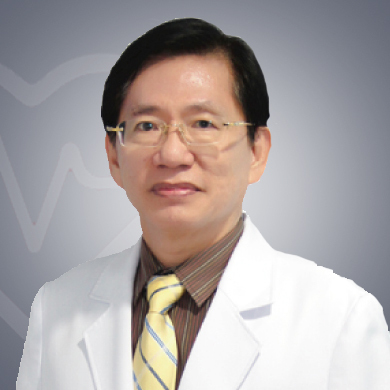
Dr. Vitoon Leekrirkgong

Otolaryngologist

, Bangkok, Thailand

25 Years of experience

Speaks: Thai , English


Dr. Vitoon Leekrirkgong is a specialized ENT Surgeon in Thailand. And one of the most sought after medical specialists in Bangkok, Thailand. The doctor has over 25 Years of experience and is associated with Bangpakok 9 International Hospital.

View Profile

Frequently Asked Questions

Why do patients choose Thailand for nasal polyp surgery?

Thailand offers affordable, advanced ENT surgery using modern techniques. The healthcare system is equipped with high-end surgical tools and skilled specialists. Many hospitals cater specifically to international patients with streamlined services. Efficient procedures and recovery options attract people from various countries.

What is nasal polyp surgery, and when is it required?

Nasal polyp surgery is performed when medication is no longer effective in controlling symptoms such as congestion or loss of smell. The standard procedure used is minimally invasive and targets polyp removal. Surgery opens sinus passages to restore breathing and prevent infections. It’s typically recommended after other treatments fail.

Is nasal polyp surgery in Thailand safe and effective?

The surgery is considered safe with modern techniques and experienced ENT teams. Pre-operative scans, sterile surgical environments, and post-op monitoring reduce risks. Success rates are high, and complications are rare. Recovery is smooth with proper medical support and follow-up care.

Do Thai doctors use image-guided systems during surgery?

Yes, advanced facilities in Thailand often use image-guidance to improve surgical accuracy. These systems help navigate complex sinus anatomy and reduce the risk of complications. The technique enhances precision in both primary and revision surgeries. It is beneficial for deep or hidden polyps.

Can patients receive ENT care from female doctors in Thailand?

Yes, qualified female ENT specialists are available for patients who prefer them. They offer the same range of services, from diagnostics to advanced surgery. Patients can request gender-specific care during the scheduling process. Communication and care quality remain consistent across all specialists.

What happens if polyps return after surgery?

Polyp recurrence can occur, especially in cases of chronic or allergic conditions. Doctors typically use medications to control inflammation and delay regrowth. In some cases, a second surgery may be required. Ongoing management often involves the use of nasal sprays and regular follow-up visits.

Are ENT specialists in Thailand trained in advanced sinus surgery techniques?

Yes, ENT specialists undergo extensive training in both general and endoscopic sinus surgeries. Many have international experience and continue to update their skills. Their expertise covers diagnostic imaging, surgical intervention, and long-term nasal care. Patients receive comprehensive and up-to-date treatment.

Do ENT doctors in Thailand handle revision surgeries for recurring polyps?

Yes, revision procedures are commonly performed for patients who have had unsuccessful treatments before. Surgeons use imaging and navigation systems to minimise risks during complex cases. Detailed pre-surgical evaluations are done to customise treatment plans. Post-surgical care focuses on preventing the condition from recurring.

Do ENT specialists in Thailand treat both adults and children with nasal polyps?

Yes, treatment is available for both adult and pediatric patients. Children are assessed carefully for underlying conditions and may require specialised surgical planning. Recovery and medication are tailored to each individual's age and sensitivity. Parental counselling and long-term follow-up are often included.

How long should I wait before flying after surgery?

Doctors usually advise waiting 7–10 days before air travel to minimise the risk of sinus pressure issues. Healing should be confirmed in a follow-up appointment. Patients may be given medication to ease nasal pressure. Long flights should be avoided if the healing process is not yet complete.

What is the recovery process after nasal polyp surgery in Thailand?

Patients receive medications, nasal rinses, and, in some cases, packing to support their recovery. Follow-up cleanings may be scheduled to remove crusts and ensure healing. Instructions are provided for home care and activity restrictions. Full recovery typically takes a couple of weeks.

Should I get a second opinion before undergoing nasal polyp surgery in Thailand?

Yes, seeking a second opinion is a wise step, especially for surgery. It helps confirm the diagnosis, evaluate if surgery is vital, and explore less invasive options. Many hospitals in Thailand encourage this and offer second-opinion consultations via telemedicine. It ensures patients feel confident and informed before proceeding.