Online Consultation For Lung Cancer Treatment Doctors in Ontario
Featured Doctor
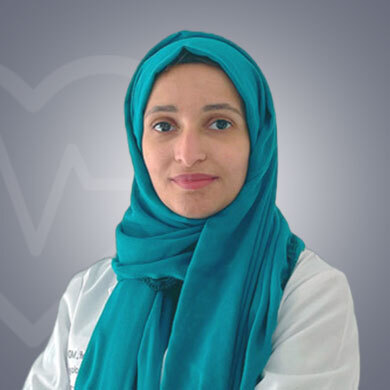
Dr. Sara Baghlaf
Medical Oncologist
Ontario, Canada
11 Years of experience
Speaks: English,Arabic
USD 300 USD 250 for video consultation
Medical Oncologist
Ontario, Canada
11 Years of experience
Speaks: English,Arabic
USD 300 USD 250 for video consultation
Please make sure to see your doctor using Telemedicine before you even board a flight
Choosing the right doctor is one of the most crucial steps before starting Lung Cancer Treatment. When searching for the best Lip Augmentation Doctors, consider the following factors to ensure comprehensive and quality care:
Specialization and Expertise: Always choose a doctor who specializes in oncology, particularly lung cancer. Look for expertise and experience in the diagnosis and treatment of various lung cancer types.
Board Certification: Ensure that the doctor is board-certified in medical oncology, radiation oncology, or thoracic surgery. Board certification signifies that the doctor has met specific standards of education and competency.
Experience in Lung Cancer Treatment: Seek a doctor with significant experience in performing Advanced treatments and therapies that may not be widely available. Also, Inquire about participation in ongoing research studies.
Treatment Options: Seek a doctor who offers a range of treatment options, including surgery, chemotherapy, radiation therapy, immunotherapy, and targeted therapies.
Apart from these factors, a patient-centered approach, Accessibility, and availability along with a multidisciplinary team collaboration role are very important. Keep all these things in mind before finding the right doctor.
To find the top lung Cancer Treatment doctor you will need to do some research and ask people around.
To schedule an online consultation with one of the top Lung Cancer Treatment doctors listed on a specific platform or website, you can follow these easy steps:
During your initial consultation with a Lung Cancer treatment doctor, you can expect a comprehensive and informative session where the doctor will gather important information about your medical history and current condition. Here's what you might experience during the consultation:
Medical History Review: The doctor will review your medical history, including past illnesses, treatments, medications, and any relevant family history of cancer. This information helps in understanding your overall health.
Physical Examination: The doctor will conduct a thorough physical examination, focusing on the chest and respiratory system. This may include listening to your lungs, checking for signs of respiratory distress, and examining the lymph nodes.
Diagnostic Tests: Based on the initial assessment, the doctor may recommend diagnostic tests such as imaging studies (X-rays, CT scans), bronchoscopy, biopsy, or other tests to confirm the presence of lung cancer and determine its stage.
Discussion of Treatment Options: The doctor will discuss available treatment options, which may include surgery, chemotherapy, radiation therapy, immunotherapy, targeted therapies, or a combination of these. The choice of treatment depends on the type and stage of lung cancer.
Risks and Benefits: The doctor will explain the potential risks and benefits of each treatment option. This includes discussing side effects, expected outcomes, and the overall goals of the chosen treatment plan.
Q&A Session: You will have the opportunity to ask questions about your treatment options, potential side effects, and any concerns you may have.
Post-Procedure Care: You will receive instructions on post-procedure care, including any restrictions on activities, medications, and potential downtime. This information is essential for a smooth recovery process.
Lung Cancer Doctors specialize in the diagnosis and treatment of various conditions related to lung cancer. Conditions treated by these doctors include: