Your Notifications
All done, no notifications

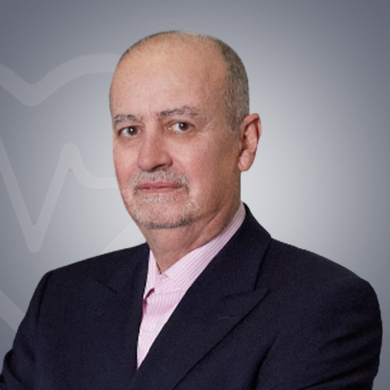
Dr. Raimon Mirabell

Oncologist

, Barcelona, Spain

38 Years of experience

Speaks: Spanish , English


Dr. Raimon Mirabell is a specialized Radiation Oncologist in Spain. And one of the most sought after medical specialists in Barcelona, Spain. The doctor has over 35 Years of experience and is associated with Hospital Quirnsalud Barcelona.

Association and Memberships Dr. Raimon Mirabell is part of:

  • Member of the Group for Radiotherapy of Brain Tumors of the EORTC (European Organization for Research and Treatment of Cancer) and President of the Swiss Proton Users Group.

Qualifications :

  • 1971- 1977 Medicina Studies at the Autonomous University of Barcelona.
  • 1979-1984 Residence in Radiotherapy at the Hospital de Sant Pau,Barcelona.

Hospital Address :

Hospital Quir

Medical Expertise of Dr. Raimon Mirabell

  • Dr. Mirabell majorly specializes in treating Prostate Cancer
  • Frequent Radiation procedure provided by the specialist are Radiotherapy, Transarterial Chemoembolization - TACE, and IMRT
  • Dr Miralbell is a renowned, board-certified Radio-oncologist in Spain
  • Dr Mirabell has been trained internationally in prestigious institutions such as Radiation Medicine Department, Harvard Cyclotron, City of Hope National Medical Center in Duarte-California,
  • Dr. Mirabell is the member of the Group for Radiotherapy of Brain Tumors of the EORTC (European Organization for Research and Treatment of Cancer) and President of the Swiss Proton Users Group.
  • He has contributed to textbooks and monographs as a chapter author. He has over 170 scientific articles in peer-reviewed journals around the world.
  • He has also given presentations at conferences as well.
View Profile

Frequently Asked Questions

In Spain, which types of cancer are treated with intensity-modulated radiation therapy (IMRT)?

Intensity-Modulated Radiation Therapy (IMRT) is a cutting-edge treatment option in Spain, designed to target various types of cancer with precision. This advanced therapy is commonly employed for treating several cancers, including:

  • Head and neck cancers (such as oral, throat, and laryngeal cancers)
  • Prostate cancer
  • Breast cancer
  • Brain tumors
  • Lung cancer
What is the duration of each session?

Including setup and imaging, IMRT sessions usually last 15 to 30 minutes. Because VMAT administers doses continuously, the treatment time may be shorter (approximately 10 minutes).

What kind of training do the doctors need to complete?

Specialised IMRT training is provided to clinical oncologists and medical physicists, and ongoing education is required. Therapists must also complete accredited courses. Spain centres frequently participate in audits and quality checks.

What happens after IMRT?

Depending on the type of tumour, follow-up takes place 3-6 weeks after treatment and then 3-6 months later. Response and late effects are tracked by imaging and clinical examinations. Recovery, rehabilitation, and chronic toxicity management are all part of CNS's long-term support.

What credentials are necessary for an IMRT oncologist?

An IMRT oncologist is a doctor who focuses on radiation oncology and has received specialised training in Intensity-Modulated Radiation Therapy. To earn this title, they must first complete a medical degree, complete a residency in radiation oncology, and obtain a license to practice medicine in their country. Most of their IMRT training is done during residency, but they can also enhance their skills through ongoing education, workshops, or practical clinical experience. Certification from recognised medical boards and membership in oncology societies further strengthen their qualifications.

How can I determine whether a hospital has up-to-date IMRT equipment?

To determine if a hospital is equipped with modern IMRT technology, check their brochures or website for mentions of cutting-edge tools like image-guided radiotherapy (IGRT), VMAT, or linear accelerators (LINACs). Look for accreditations from JCI, as these are usually signs of up-to-date infrastructure. You can also gather information by asking during your appointment or by visiting our reliable portal, MediGence, which offers verified hospital information and professional guidance.

How can I determine whether a hospital has up-to-date IMRT equipment?

To determine if a hospital is equipped with modern IMRT technology, check their brochures or website for mentions of cutting-edge tools, such as image-guided radiotherapy (IGRT), volumetric modulated arc therapy (VMAT), or linear accelerators (LINACs). Look for accreditations from JCI, as these are usually signs of up-to-date infrastructure. You can also gather information by asking during your appointment or by visiting our reliable portal, MediGence, which offers verified hospital information and professional guidance.

Can I get a second opinion from another oncologist?

Yes, patients have the right to a second opinion, as per the guidelines. You may be referred to another hospital or cancer centre by your present consultant or general practitioner. In oncology, it's accepted and common. A second opinion can support treatment choices or offer substitutes. Medigence can assist you through its platform, offering services such as teleconsultations and second opinions.