Your Notifications
All done, no notifications

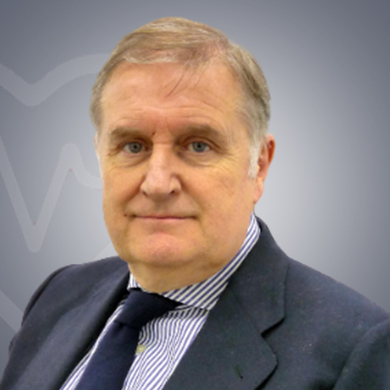
Dr. Luis Madero

Hematologist

, Madrid, Spain

37 Years of experience

Speaks: Spanish , English


Dr. Luis Madero is a specialized Hematologist in Spain. And one of the most sought after medical specialists in Madrid, Spain. The doctor has over 37 Years of experience and is associated with University Hospital Quironsalud Madrid.

Association and Memberships Dr. Luis Madero is part of:

  • Spanish Paediatric Association (AEP) (1992-present).
  • Spanish Association of Paediatric Haematology.
  • Spanish Association of Paediatric Oncology.
  • SIOP (International Society of Paediatric Oncology).
  • EBMT (European Bone Marrow Transplantation).
  • Spanish Association of Haematology and Haemotherapy (AEHH).

Qualifications :

  • Resident Medical Intern in Paediatrics at Ramon y Cajal Hospital, 1979-1982.

Hospital Address :

University Hospital Quironsalud Madrid, Calle Diego de Vel

Medical Expertise of Dr. Luis Madero

  • Medical expertise of Dr. Luis Madero is Paediatric Haemato-Oncology, Haemato-Oncology and Haematopoietic Transplantation.
  • Sickle Cell Disease, Various Autoimmune Diseases, Neuromuscular Disorders, Hematological Disorders, Acute Myelogenous Leukemia (AMI), Aplastic Anemia, Acute Lymphocytic Leukemia, and Thalassemia are some of the conditions for which the specialist provides treatment.
  • He has been active in the field of Pediatric Hematology & Oncology for over 37 years.
  • Dr. Luis Madero has a rich academic and teaching background, he is a full professor at Pediatrics Department, Autonoma University of Madrid.
  • He is involved in development of Research projects as lead investigator at Children’s University Hospital Nino Jesus and Research Institute La Princesa.
  • Membership in scientific societies as AEP (1992-present),Spanish Association of Paediatric Haematology., Spanish Association of Paediatric Oncology, SIOP, EBMT, AEHH, and SEHOP.
  • He holds positions as Patron, Secretary, President of various reputed Foundations and Commissions.
View Profile

Frequently Asked Questions

How do I choose the best Specialist for Autologous BMT in Spain?

To find the right transplant specialist in Spain, look for a board-certified haematologist-oncologist with:

  • Fellowship training in hematopoietic stem cell transplantation (HSCT)
  • Experience in high-dose chemotherapy and autologous stem cell reinfusion
  • Strong background in managing multiple myeloma, lymphoma, and solid tumors
  • Track record of transplant success and long-term patient monitorin
How do I choose the best hospital for Autologous BMT in Spain?

Select a JCI-accredited or nationally certified transplant center with a dedicated BMT unit offering:

  • HEPA-filtered isolation rooms for neutropenic care
  • In-house stem cell apheresis and cryopreservation
  • Comprehensive infectious disease, transfusion, and oncology support
  • Accreditation by the European Group for Blood and Marrow Transplantation (EBMT)
Can I consult with a BMT specialist online before I travel, and how can I access their patient reviews?

Yes. MediGence enables teleconsultations with top BMT specialists in Spain for international patients.

How to connect and review:

  • Browse doctor credentials, patient outcomes, and EBMT case volumes
  • Upload diagnostic reports (PET-CT, biopsy, blood counts) for early review
  • Schedule secure video consultations through the MediGence platform
How long will I need to stay in Spain for Autologous BMT and recovery?

A typical 4–6 week stay is required for pre-transplant evaluation, conditioning, and post-transplant recovery:

  • Week 1–2: Pre-transplant testing (labs, imaging, central line, stem cell mobilisation)
  • Week 3: High-dose chemotherapy
  • Week 4: Stem cell reinfusion (Day 0), followed by neutropenic isolation
  • Week 5–6: Monitoring for engraftment, infections, and transfusion needs
  • Discharge: Upon stable engraftment with oral medications and discharge instructions

Patients often return home after engraftment, with remote follow-up arranged through MediGence.

Can International Patients Access Autologous Bone Marrow Transplantation (BMT) in Spain?

Absolutely. Spain is a global leader in cancer care and stem cell therapy, with a reputation for:

  • Advanced haematology centers equipped for complex transplants
  • Cost-effective packages compared to US/UK alternatives
  • Multilingual care, high infection control standards, and seamless patient onboarding

MediGence provides:

  • Referral to EBMT-partnered transplant teams
  • Visa and travel assistance
  • Accommodation and medical interpreter services
  • Post-discharge virtual follow-up from your country
What qualifications, certifications, and experience does the doctor have for Autologous BMT?

Qualifications:

  • MD or MBBS with specialisation in Haematology/Medical Oncology
  • Fellowship or advanced training in Autologous Stem Cell Transplantation

Certifications:

  • Registered with the Spanish General Medical Council
  • Member of EBMT, EHA (European Hematology Association), or SEHH (Sociedad Española de Hematología y Hemoterapia)

Experience:

  • Proficient in stem cell mobilisation, collection, and reinfusion
  • Skilled in treating myeloma, Hodgkin’s and non-Hodgkin’s lymphoma
  • Extensive involvement in clinical trials and long-term survivorship care
Can I get a second opinion from another BMT Specialist in Spain?

Yes. MediGence allows international patients to:

  • Confirm whether an autologous transplant is the best option
  • Compare treatment outcomes vs continued chemotherapy
  • Understand risks, relapse chances, and post-transplant surveillance
How can I verify the credibility of a BMT Specialist in Spain?

You can check credibility by:

  • Verifying medical council registration and EBMT affiliation
  • Reading published outcomes and patient testimonials
  • Confirming if the doctor practices at an EBMT-accredited transplant hospital
What should I expect during a teleconsultation for Autologous BMT via MediGence?

During your session, the transplant physician will:

  • Review your diagnostic workup, treatment history, and response to chemotherapy
  • Assess your fitness for transplant and possible complications
  • Discuss the cost, duration, risks, and success probability of autologous BMT
  • Plan your medical travel, hospital admission, and post-BMT care